
Industrial water testing ensures regulatory compliance, protects equipment from corrosion, and optimizes processes by monitoring physical, chemical, and biological parameters. Key tests include pH, conductivity, hardness, and microbial contamination to prevent costly damages, production issues, and legal non-compliance fines. Regular testing, professional sampling, and using NABL/BIS-certified labs are vital steps.
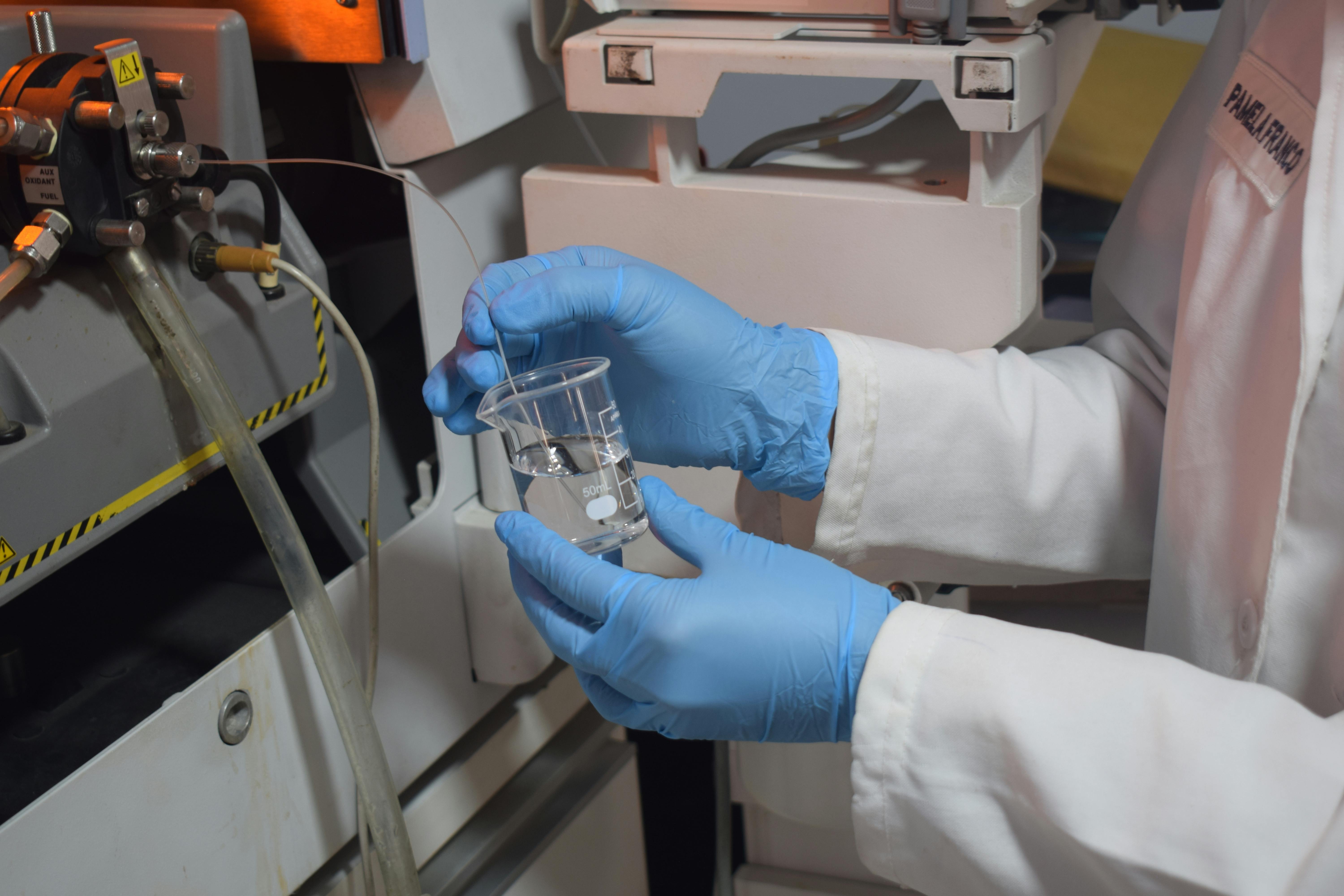
Key Industrial Water Parameters and Compliance Guidelines
Ensuring water quality in industrial operations is crucial for regulatory compliance, operational efficiency, and environmental protection. Monitoring specific water parameters through a reliable water testing lab in Odisha helps industries maintain standards and prevent risks associated with poor water quality.
Essential Water Parameters
1. Physical Parameters
- Temperature: Affects chemical reactions and microbial growth.
- Turbidity: Indicates the presence of suspended particles.
- Color & Odor: Can reveal contamination or chemical imbalances.
2. Chemical Parameters
- pH: Measures acidity or alkalinity, critical for chemical reactions and equipment longevity.
- Conductivity: Reflects the concentration of dissolved ions.
- Water Hardness: Levels of calcium and magnesium that affect scaling.
- Chlorine & Chloride: Used in disinfection and can indicate corrosion potential.
- Ammonia & Nitrates: Important for wastewater management and environmental compliance.
- Heavy Metals: Includes lead, mercury, cadmium, and arsenic, which pose health and environmental hazards.
3. Biological Parameters
- Microorganisms: Detection of E. coli, Legionella, and other pathogens signals contamination risks.
4. Operational Parameters
- Chemical Oxygen Demand (COD): Measures the amount of organic pollutants in water.
- Biological Oxygen Demand (BOD): Indicates the level of biodegradable organic matter in wastewater.
Steps for Effective Compliance Testing
- Define Objectives: Identify relevant regulations and industrial standards applicable to your operations.
- Professional Sampling: Collect samples from representative points using proper protocols to avoid contamination.
- Use Accredited Laboratories: Select certified labs (e.g., ISO 17025) to ensure precise and legally defensible results.
- Regular Monitoring: Implement routine checks for process water and wastewater to maintain consistent compliance.
- Act on Results: Adjust water treatment systems, clean equipment, or optimize chemical dosages based on testing outcomes.
Benefits of Routine Industrial Water Testing
- Regulatory Compliance: Avoid fines and penalties from environmental authorities.
- Equipment Protection: Prevent scaling, corrosion, and premature wear on machinery.
- Product Safety: Ensure quality and safety in food, beverage, pharmaceutical, and other water-intensive industries.
- Environmental Responsibility: Minimize ecological impact from industrial discharge through proactive monitoring and best practices.
Conclusion
Industrial water testing is indispensable for ensuring compliance, operational efficiency, and environmental stewardship. With technological advancements, stricter regulations, and a focus on sustainability, industries in Odisha and beyond can maintain safe operations while supporting long-term economic and ecological growth.