
New Delhi, May 11: Abbott, a global healthcare leader, announced the launch of the TriClip™ transcatheter edge-to-edge repair (TEER) system in India. This device is specifically designed for the treatment of tricuspid regurgitation (TR) or a leaky tricuspid valve.
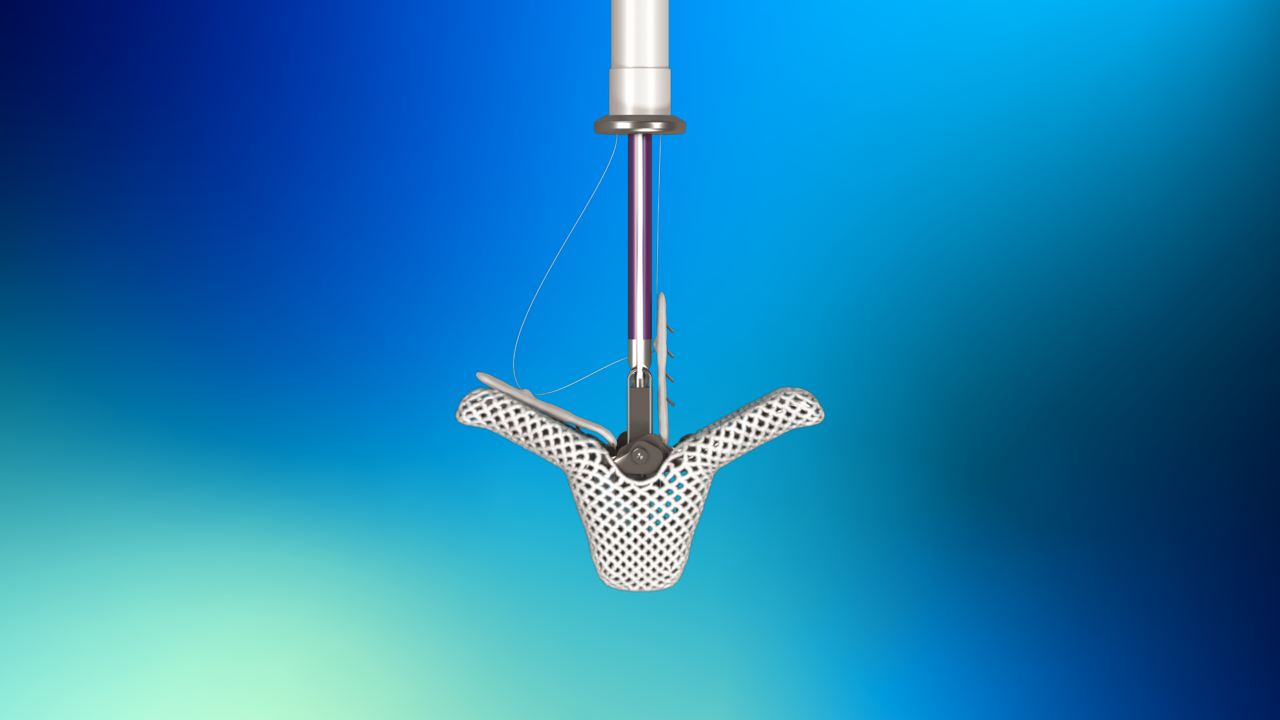
Delivered through a vein in the leg, TriClip's TEER technology works by clipping together a portion of the leaflets – or flaps of tissue – to repair the tricuspid valve and help blood flow in the right direction without the need for open-heart surgery. It leverages the technology and robust body of evidence from the MitraClip device, the minimally invasive option to repair leaky mitral valves, which occurs on the left (opposite) side of the heart. The TriClip has a specialized delivery system engineered for navigating the right side of the heart. On average, people who receive TriClip only need one day in the hospital before they recover and can return home.
The tricuspid valve controls blood flow from the heart’s right atrium to the right ventricle. TR occurs when the valve doesn’t close properly, causing a leak and allowing the blood to flow backward in the heart. TR can force the heart to work harder, causing debilitating symptoms such as fatigue and shortness of breath. When left untreated, TR can lead to atrial fibrillation (irregular heartbeat) and heart failure. For those who continue to have symptoms or persistent TR despite treatment with medical therapy and are not considered good candidates for surgery, TriClip represents an option that can improve a person’s quality of life and reduce hospitalizations for heart failure.
Tricuspid regurgitation in India: an emerging burden
TR is increasingly being recognized as a common but under‑diagnosed heart valve condition in India, particularly among older adults and people with rheumatic heart disease, atrial fibrillation, pulmonary hypertension, or other valve disorders. Published reviews and echocardiography‑based data indicate that clinically significant TR is frequently seen in routine cardiac practice and often progresses over time when left untreated, highlighting the need to address this disease in India.
“For far too long, patients living with tricuspid regurgitation have had limited treatment options that affected their quality of life. The introduction of TriClip in India represents an important advancement in care, offering a minimally invasive option that can improve symptoms and meaningfully impact patient outcomes,” said Sudheer Mirajkar, Country Manager for Abbott’s Structural Heart business in India. “With the addition of TriClip to our broad structural heart therapy options in India, we are continuing to bring life-enhancing benefits to patients with cardiovascular conditions.”
A valve with big complexity
The tricuspid valve has long received less attention than other heart valves, in part because symptoms can develop slowly and treatment options were limited. Yet it plays a critical role in heart function. With soft flaps of tissue that move with every heartbeat and a wide and uneven shape, it sits on the right side of the heart, where anatomy can vary significantly from person to person. Its function is closely linked to the size and movement of the surrounding heart chamber, meaning even small changes can affect how well the valve works. These factors make it uniquely complex and challenging to treat, highlighting why renewed focus and innovation in this area are so important for people today.
TriClip is backed by strong clinical science
As part of its approval process in the U.S., the U.S. Food and Drug Administration reviewed findings from the TRILUMINATE Pivotal trial, the world's first randomized, controlled clinical study to evaluate the safety and effectiveness of the TriClip system compared to medical therapy in people with severe TR who are at intermediate or greater risk for open-heart surgery. In those findings, approximately 90% of patients who received the TriClip system experienced a marked improvement in their TR grade, reducing from severe or higher to moderate or less at 30 days – a reduction that was sustained at one year. The trial also demonstrated a highly favorable safety profile, with 98% of patients being free of major adverse events through 30 days, and a significant improvement in quality of life. Two-year findings from the TRILUMINATE Pivotal study showed the Abbott TriClip system reduced heart failure hospitalizations by 28%, and significant improvements in tricuspid regurgitation and quality of life.