
Heart surgery has progressed dramatically over the past century, evolving from a risky and experimental practice into one of the most advanced areas of modern medicine. Today, it combines precision technology, minimally invasive methods, and personalized treatment strategies to deliver safer procedures and better patient outcomes. This transformation has not only increased survival rates but has also significantly improved the quality of life for individuals undergoing cardiac procedures.
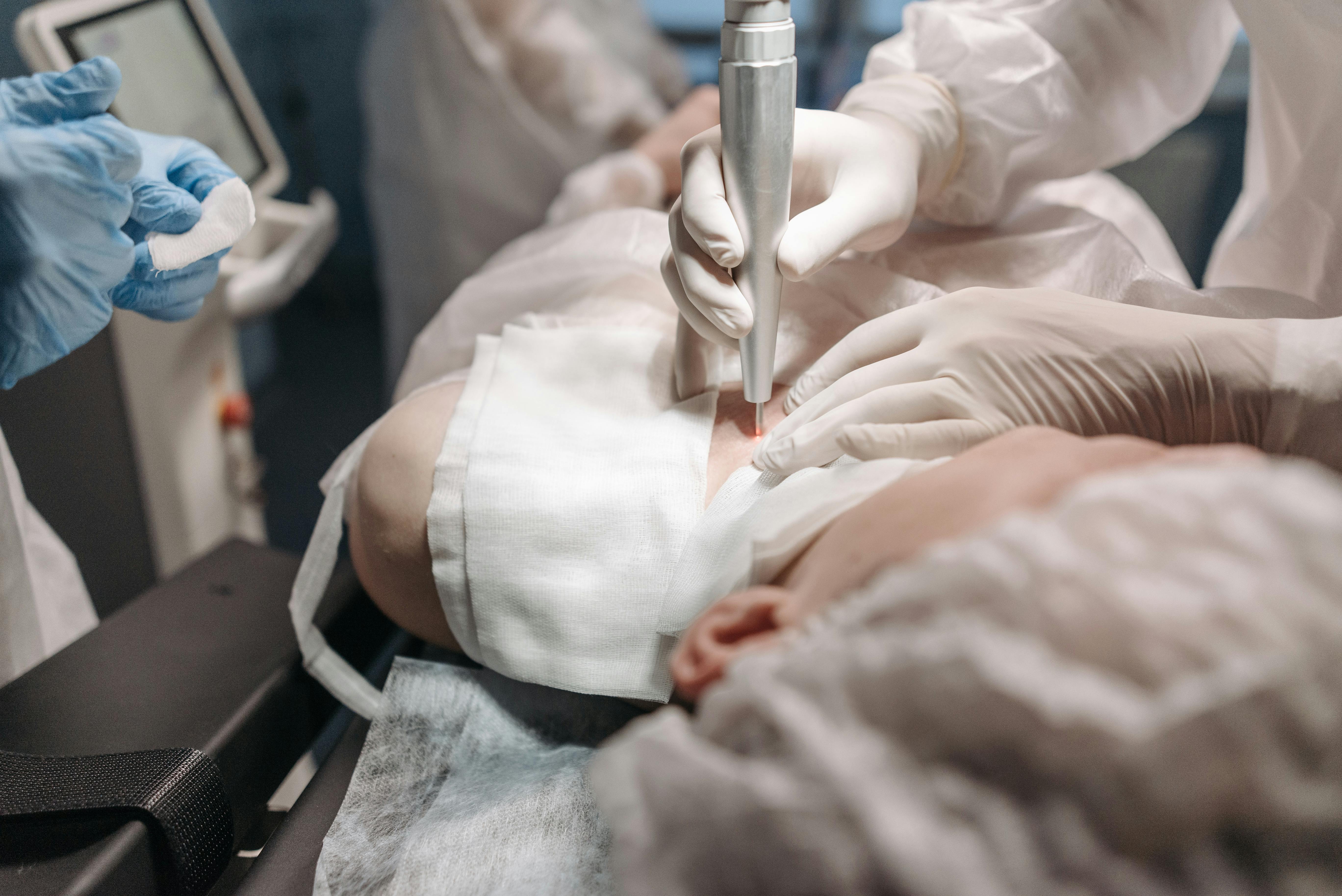
From Early Challenges to Modern Breakthroughs
In its earliest stages, heart surgery was limited by a lack of medical knowledge and inadequate tools. Surgeons had to operate under extremely risky conditions, often without the ability to control bleeding or maintain circulation effectively. The introduction of the heart-lung machine revolutionized the field by allowing surgeons to temporarily stop the heart while keeping blood flowing through the body. This innovation made complex procedures possible and set the stage for future advancements.
Over time, continuous improvements in surgical techniques, anesthesia, and medical imaging have made heart surgery more reliable and efficient. What was once considered highly dangerous is now a routine procedure in many cases.
Advanced Surgical Techniques in Use
Modern heart surgery focuses on minimizing risk while maximizing precision and recovery speed.
Less Invasive Procedures
One of the most significant changes in cardiac care is the shift toward minimally invasive surgery. Instead of large chest openings, surgeons now use smaller incisions, resulting in less trauma to the body. Patients benefit from reduced pain, fewer complications, and quicker healing times.
Robotic-Assisted Operations
Robotic systems have introduced a new level of accuracy to heart surgery. These systems allow surgeons to perform delicate movements with enhanced control, supported by high-definition visual guidance. This technology reduces human error and improves overall surgical outcomes.
Combined Surgical Approaches
In some cases, doctors use a combination of surgical and catheter-based techniques to treat complex heart conditions. This integrated method allows multiple issues to be addressed in a single treatment plan, improving efficiency and patient outcomes.
Catheter-Based Treatments: A New Era
Not all heart conditions require open surgery. Catheter-based procedures have become a popular alternative due to their minimally invasive nature.
How They Work
These procedures involve inserting a thin tube into a blood vessel, usually through the wrist or groin, and guiding it to the heart. Techniques like balloon angioplasty help open blocked arteries, while stents keep them from narrowing again.
Why Patients Prefer Them
Catheter-based treatments offer several advantages:
-
Minimal physical disruption
-
Faster discharge from the hospital
-
Lower complication rates
-
Quick return to everyday life
These benefits make them especially suitable for older patients or those with additional health concerns.
Breakthroughs in Cardiac Devices
Medical devices have played a crucial role in improving heart care. Recent innovations have made them more efficient, durable, and patient-friendly.
Smart Defibrillators
Modern defibrillators can detect abnormal heart rhythms and respond instantly. Many devices now include remote monitoring features, allowing doctors to track heart activity without frequent hospital visits.
Drug-Eluting Stents
Newer stents are designed to release medication that prevents artery blockage from recurring. This reduces the need for repeat procedures and improves long-term outcomes.
Non-Surgical Valve Replacement
Heart valve treatment has also advanced significantly. Doctors can now replace damaged valves using catheter-based methods, eliminating the need for traditional open-heart surgery in many cases.
Preparing for Heart Surgery
Preparation is a key part of ensuring a successful procedure. Before surgery, patients undergo a series of evaluations to assess their overall health and identify potential risks.
Medical Testing
These assessments may include blood work, imaging scans, and heart function tests. The goal is to provide a complete picture of the patient’s condition.
Expert Consultation
Patients often meet with multiple specialists who collaborate to design a personalized treatment plan. This ensures that every aspect of the procedure is carefully considered.
Mental Readiness
Emotional preparation is just as important as physical readiness. Understanding the procedure and knowing what to expect can reduce anxiety and help patients feel more in control.
The Recovery Journey
Healing after heart surgery is a gradual process that varies from person to person.
Immediate Care
Patients typically spend a few days in the hospital under close supervision. During this time, medical staff focus on pain management and monitoring vital signs.
Rehabilitation
Once discharged, patients are encouraged to join cardiac rehabilitation programs. These programs include guided exercise, nutritional advice, and lifestyle changes that support long-term heart health.
Returning to Normal Life
Most patients can resume light activities within a few weeks, though full recovery may take a few months. Following medical advice is essential to avoid complications and ensure proper healing.
The Importance of Support Systems
Recovery is not just physical—it also involves emotional healing. Having a strong support system can make a significant difference.
Community Support
Connecting with others who have undergone similar procedures can provide comfort and encouragement. Sharing experiences helps reduce feelings of isolation.
Professional Guidance
Therapists and counselors can assist patients in managing stress and adjusting to life after surgery.
Family Involvement
Loved ones play a crucial role by offering both practical help and emotional reassurance. Open communication strengthens this support system and aids recovery.
What the Future Holds
The future of heart surgery is being shaped by groundbreaking research and emerging technologies.
Genetic-Based Treatments
Scientists are exploring ways to treat heart disease at its root by targeting genetic causes. This approach could prevent conditions before they develop.
Regenerative Medicine
Research into stem cells is opening possibilities for repairing damaged heart tissue. This could reduce the need for invasive procedures in the future.
Tailored Healthcare
Personalized medicine is becoming more common, with treatments designed specifically for each patient’s unique profile. This improves effectiveness and reduces risks.
Artificial Intelligence
AI is being used to analyze medical data, predict outcomes, and assist in surgical planning. This leads to faster diagnoses and more accurate treatments.
Taking Charge of Heart Health
As medical advancements continue, patients have more opportunities to take control of their heart health. Being informed about treatment options and maintaining a healthy lifestyle are essential steps.Simple habits such as balanced nutrition, regular exercise, and routine check-ups can significantly reduce the risk of heart disease. When combined with modern medical care, these efforts create a strong foundation for long-term well-being.
Final Thoughts
Heart surgery has come a long way from its early beginnings. Today, it represents a blend of science, technology, and patient-centered care. With minimally invasive techniques, advanced devices, and innovative research shaping the future, the outlook for heart patients has never been more promising.For anyone facing heart surgery, knowledge is a powerful tool. Understanding the process, exploring available options, and building a strong support system can make the journey smoother and more successful. As advancements continue, heart care will only become safer, more effective, and more personalized—offering hope and improved quality of life to millions around the world.
