
The kidneys are essential organs responsible for filtering waste products, excess fluids, and toxins from the blood, which are then removed through urine. They also help maintain fluid balance, regulate electrolytes such as sodium, potassium, and calcium, and support vital body functions like nerve signaling, muscle activity, and blood pressure control. When kidney function is impaired, it can lead to serious complications affecting the heart, bones, and overall metabolism. This makes kidney health closely linked with overall well-being, highlighting the importance of proper nutrition and lifestyle habits.
Why Balanced Nutrition Matters for Kidney Health
A well-balanced diet is fundamental in supporting kidney function and slowing the progression of kidney-related conditions. Good nutrition helps manage weight, blood sugar, and blood pressure—key factors that influence kidney health. Diets high in processed foods, sugar, and unhealthy fats can increase the risk of conditions such as diabetes and hypertension, which are major contributors to kidney disease. A kidney-friendly eating pattern focuses on whole, fresh foods while controlling intake of certain minerals and nutrients that may strain kidney function when consumed in excess.
Essential Nutrients for Supporting Kidney Function
Key nutrients play different roles in maintaining kidney health. Protein is necessary for body repair, but excessive intake may burden the kidneys, making portion control important. Vitamins such as B-complex and vitamin C support energy production and antioxidant protection, while minerals like potassium, phosphorus, and calcium must be carefully balanced. In kidney disease, improper levels of these minerals can lead to complications such as bone weakness or heart rhythm issues. A tailored dietary approach ensures the body receives adequate nutrition without overloading the kidneys.
Kidney-Friendly Foods to Include in the Diet
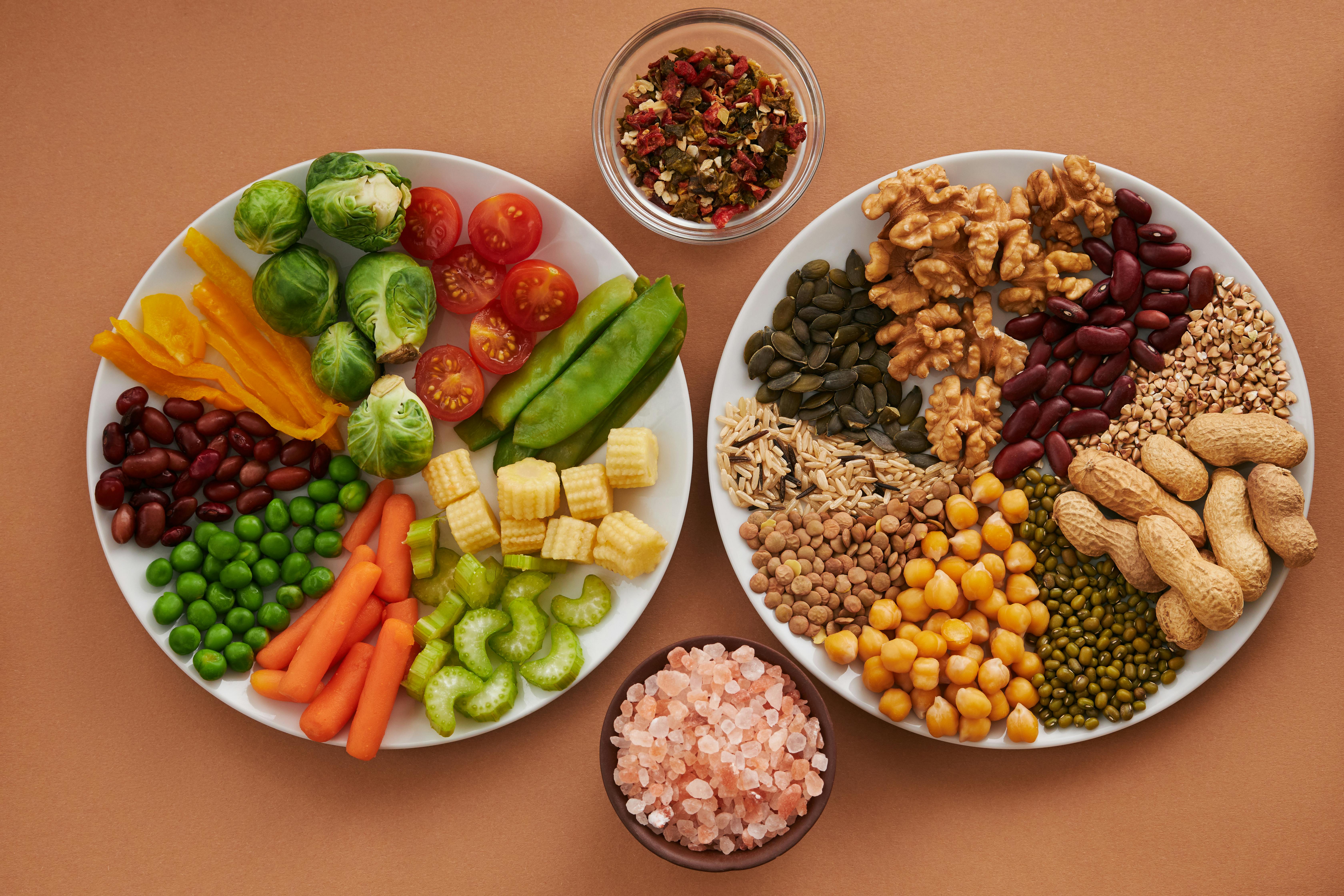
A supportive kidney diet emphasizes fresh and minimally processed foods. Fruits like apples, berries, and grapes provide antioxidants and are generally gentle on the kidneys. Vegetables such as cauliflower, bell peppers, carrots, and leafy greens offer essential nutrients and fiber. Whole grains like oats, quinoa, and brown rice support digestion and heart health. Lean protein sources such as fish, chicken, and plant-based legumes provide necessary nutrition without excess fat. Healthy fats from olive oil, nuts, and avocados further support overall wellness when consumed in moderation.
Foods to Limit or Avoid for Kidney Protection
Certain foods can place additional strain on the kidneys and should be limited. High-sodium foods, especially processed and packaged items, can increase blood pressure and fluid retention. Foods high in potassium, such as bananas and potatoes, may need restriction in advanced kidney conditions. Excess phosphorus from processed meats, carbonated drinks, and some dairy products can weaken bones and affect heart health. Added sugars and sugary beverages should also be minimized due to their link with diabetes and obesity, both of which harm kidney function.
Importance of Hydration in Kidney Health
Proper hydration supports the kidneys in flushing out waste and maintaining electrolyte balance. Insufficient fluid intake can lead to concentrated urine and increase the risk of kidney stones and toxin buildup. However, fluid needs vary depending on individual health conditions, especially in kidney disease, where excessive water intake may also be harmful. A balanced approach that includes adequate water and water-rich foods helps maintain healthy kidney function.
Lifestyle Habits That Support Kidney Function
Beyond diet, lifestyle choices play a major role in kidney health. Regular physical activity helps control blood pressure and body weight, reducing kidney strain. Avoiding smoking and limiting alcohol intake are also important, as both can damage blood vessels and impair kidney performance. Stress management techniques such as yoga, meditation, or mindfulness can further support overall health and reduce risk factors associated with kidney disease.
Consulting Healthcare Professionals for Personalized Care
Nutritional needs in kidney disease vary from person to person, making professional guidance essential. Healthcare providers and diet specialists can design personalized meal plans based on kidney function, lab results, and overall health conditions. Regular monitoring helps adjust dietary intake as needed and ensures safe nutrient balance. Professional support also helps individuals make informed food choices and better manage long-term kidney health.
Conclusion
Maintaining kidney health requires a combination of balanced nutrition, healthy lifestyle habits, and professional guidance. A diet focused on fresh, nutrient-rich foods while controlling harmful nutrients can help protect kidney function and improve quality of life. When supported by proper hydration, physical activity, and medical advice, these habits create a strong foundation for long-term kidney wellness.
