
Vaccination is one of the most effective ways to protect children from serious and potentially life-threatening diseases. By stimulating the immune system, vaccines help the body recognize and fight harmful pathogens, reducing the risk of infection and preventing the spread of illness. Immunization not only safeguards individual children but also contributes to the overall health of communities.
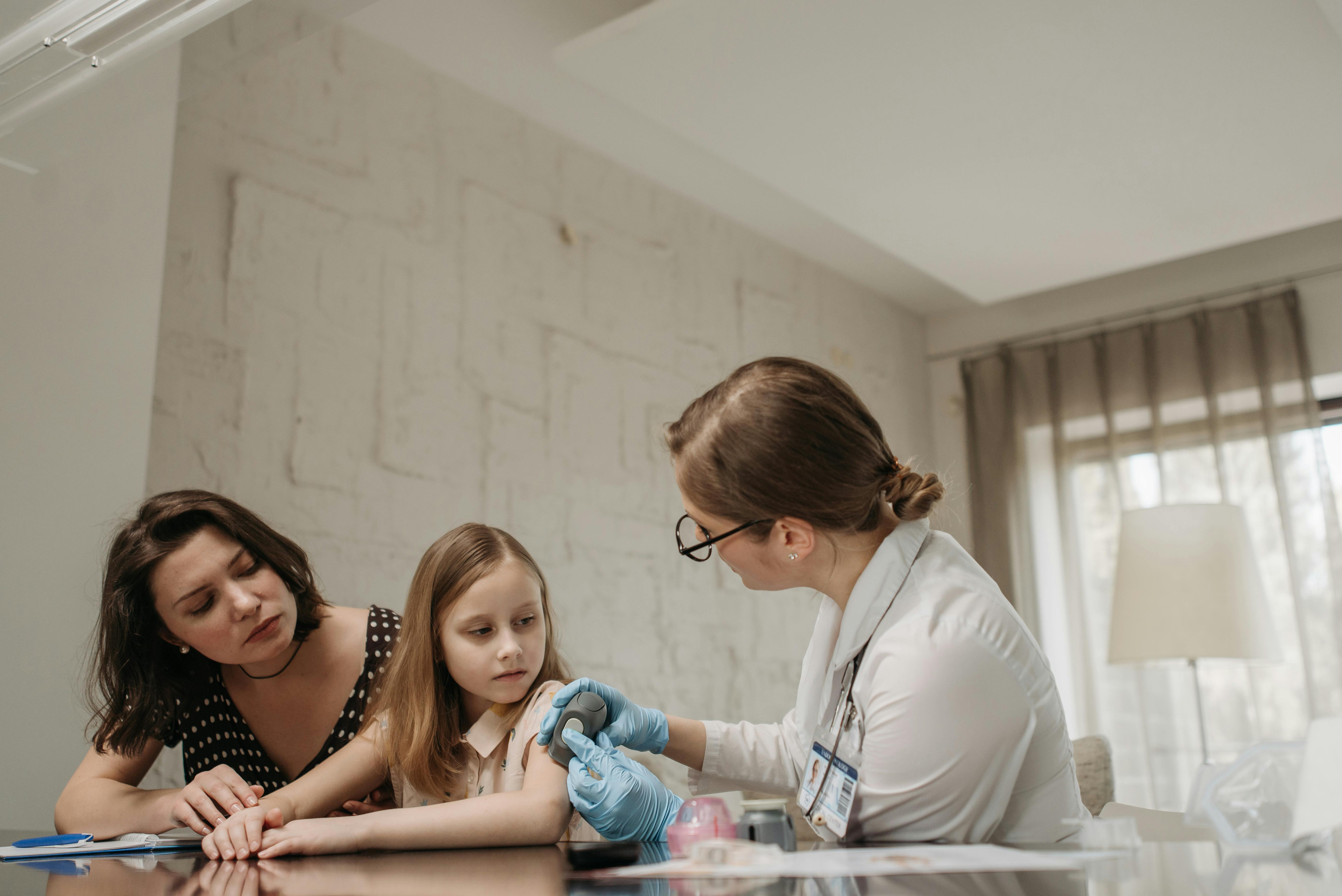
Why Vaccination Is Essential
Vaccines play a critical role in preventing diseases such as measles, polio, and whooping cough. Over the years, widespread immunization has significantly reduced the occurrence of many infectious diseases worldwide. A key concept linked to vaccination is herd immunity, where a large portion of the population becomes immune, limiting the spread of disease and protecting those who cannot be vaccinated, such as infants or individuals with certain medical conditions.Maintaining high vaccination rates is essential to prevent outbreaks. When immunization levels decline, previously controlled diseases can reappear, posing risks to public health. Following recommended vaccination schedules ensures children are protected at the right stages of their development.
Recommended Vaccination Timeline
A child’s vaccination schedule is carefully designed to provide protection at different stages of growth.
- At Birth: The Hepatitis B vaccine is administered to protect against liver infection.
- 2–6 Months: Infants receive multiple vaccines, including those for diphtheria, tetanus, pertussis, polio, pneumococcal infections, and rotavirus. These early doses are crucial for building immunity.
- 12–15 Months: Vaccines for measles, mumps, rubella (MMR), and chickenpox are introduced, along with booster doses for earlier vaccines.
- 4–6 Years: Booster doses are given before school entry to maintain protection.
- 11–12 Years: Adolescents receive vaccines such as Tdap, HPV, and meningococcal vaccines to protect against serious infections and certain cancers.
Regular booster doses are important to maintain immunity over time. Parents should consult healthcare providers to ensure their child stays on track with the recommended schedule.
Common Vaccines and Their Benefits
Several vaccines are essential in early childhood:
- DTaP Vaccine: Protects against diphtheria, tetanus, and whooping cough, all of which can cause severe complications.
- Polio Vaccine: Prevents a disease that can lead to paralysis and long-term disability.
- MMR Vaccine: Shields against measles, mumps, and rubella, which can result in serious health issues.
- Hib Vaccine: Protects against bacterial infections that may cause meningitis and pneumonia.
- Rotavirus Vaccine: Reduces severe diarrhea and dehydration in infants.
These vaccines not only protect individual children but also help reduce disease transmission within communities.
Addressing Common Concerns About Vaccines
Many parents have concerns about vaccine safety, often due to misinformation. One widely circulated myth is a link between vaccines and autism, which has been thoroughly disproven by scientific research. Vaccines are rigorously tested and monitored to ensure their safety and effectiveness.While mild side effects such as fever or soreness may occur, serious reactions are extremely rare. The benefits of vaccination far outweigh the risks, making immunization a vital part of child healthcare.It is also safe for children to receive multiple vaccines at once, as recommended schedules are designed based on extensive research to provide maximum protection at the right time.
Keeping Track of Vaccinations
Maintaining accurate vaccination records helps ensure children receive all necessary doses on time. Parents can:
- Use digital health apps that send reminders for upcoming vaccines.
- Keep physical vaccination cards updated after each doctor’s visit.
- Consult pediatricians regularly to review vaccination history.
Setting reminders and staying organized can make the process easier and reduce the chances of missed doses.
Role of Pediatricians
Pediatricians are key partners in a child’s vaccination journey. They provide guidance on schedules, address parental concerns, and ensure vaccines are administered safely. Open communication with healthcare providers helps parents make informed decisions and stay updated on new recommendations.Regular check-ups allow pediatricians to monitor a child’s development and ensure timely immunization, offering reassurance and expert advice throughout the process.
Understanding Vaccination Requirements
Vaccination requirements may vary depending on location, particularly for school enrollment and participation in activities. Parents should stay informed about local regulations to ensure compliance. Some regions allow exemptions under specific conditions, but these may come with restrictions. Understanding these rules helps families plan effectively and avoid disruptions in education or activities.
Overcoming Vaccine Hesitancy
Vaccine hesitancy can arise from misinformation, cultural beliefs, or lack of trust. Addressing these concerns requires open dialogue, accurate information, and community awareness.Healthcare professionals play an important role in educating parents, providing evidence-based guidance, and building trust. Community programs, workshops, and reliable resources can help parents better understand the importance of immunization and make confident decisions.
Helpful Resources for Parents
Parents seeking reliable information can turn to trusted health organizations, local health departments, and medical professionals. Pediatricians remain one of the most reliable sources of personalized advice.Additionally, online tools and platforms can help track vaccination schedules, provide educational materials, and answer common questions, making it easier for parents to stay informed and proactive.
Conclusion
Vaccination is a cornerstone of child health and public safety. By following recommended schedules, addressing concerns with accurate information, and staying organized, parents can ensure their children are protected against serious diseases.Immunization not only benefits individual families but also strengthens community health by preventing outbreaks and protecting vulnerable populations. With the support of healthcare providers and access to reliable resources, parents can confidently navigate their child’s vaccination journey and contribute to a healthier future for all.
