
Childhood infections encompass a wide range of illnesses commonly affecting children, particularly those under five years old. These infections can be caused by bacteria, viruses, fungi, or parasites and include everything from the common cold and flu to more serious conditions like chickenpox or rheumatic fever. Recognizing and understanding these infections is crucial, as they can significantly impact a child’s health, growth, and overall well-being.
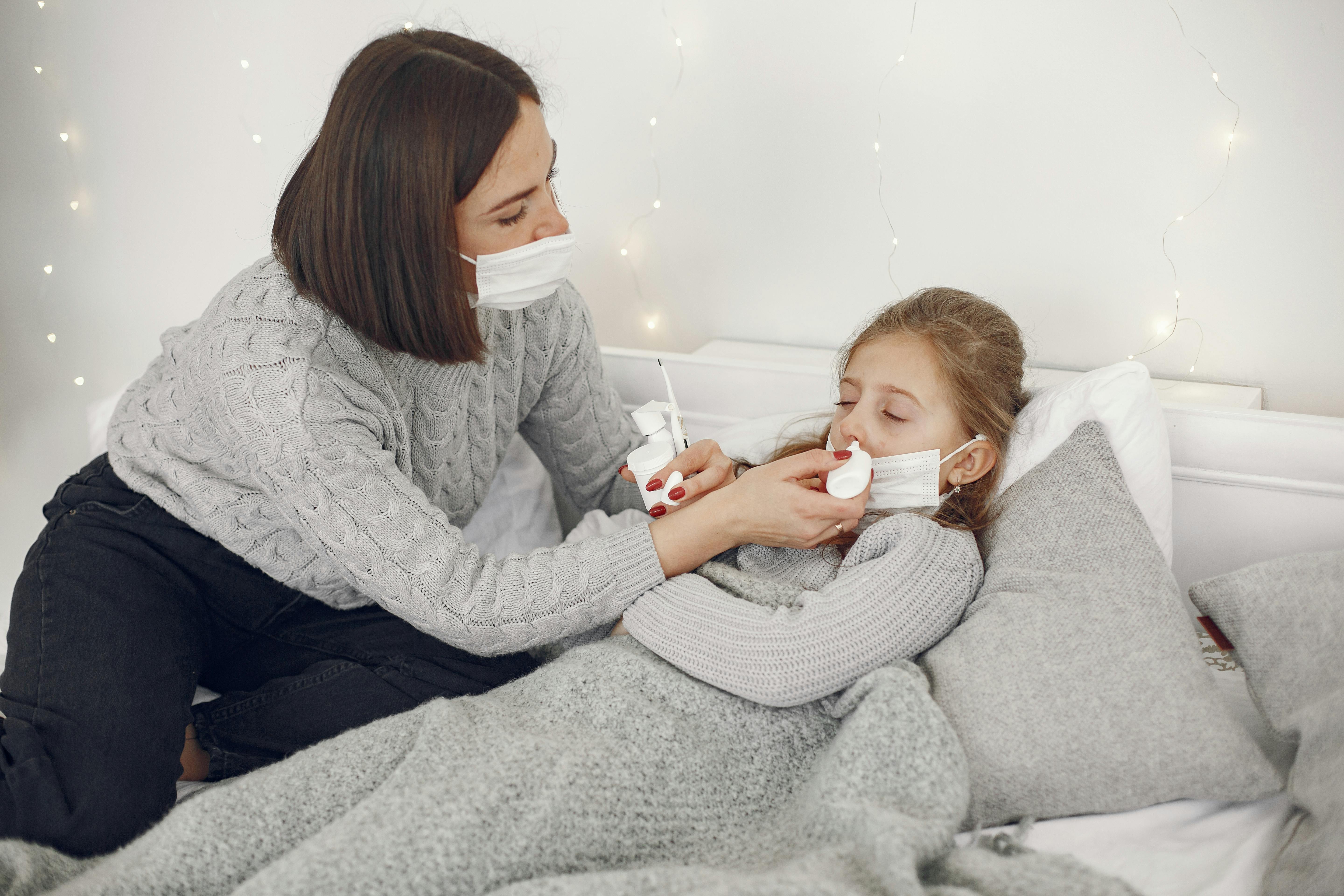
Why Children Are More Susceptible
Young children are particularly vulnerable to infections due to their developing immune systems. As children grow and are exposed to various pathogens, their immune defenses gradually strengthen, resulting in fewer illnesses by the time they reach school age. Until then, parents and caregivers must remain vigilant in identifying symptoms and preventing the spread of infections.
Being informed about childhood infections helps parents spot early warning signs, seek timely medical care, and adopt preventive measures to protect both their child and the wider community. Vaccination, in particular, plays a central role in preventing many serious childhood infections and contributing to herd immunity, which protects even those unable to receive vaccines.
Common Childhood Infections
- Common Cold – Caused primarily by rhinoviruses, it presents with a runny nose, cough, sore throat, and mild fever. Frequent contact with peers in schools or daycare centers increases susceptibility.
- Ear Infections (Otitis Media) – Often resulting from bacterial or viral buildup in the middle ear, symptoms include ear pain, irritability, and difficulty sleeping. Children between six months and two years are most at risk.
- Hand, Foot, and Mouth Disease – Caused by coxsackievirus, this infection produces sores in the mouth and a rash on the hands and feet, primarily affecting children under five. It spreads easily through direct contact or contaminated surfaces.
- Strep Throat – Triggered by streptococcal bacteria, it causes a severe sore throat, white patches on the tonsils, and fever. Most common in children aged five to fifteen, it is highly contagious and requires prompt treatment.
Recognizing Signs and Symptoms
Parents should monitor children for general signs of infection, such as persistent fever, fatigue, loss of appetite, or unusual behavior. Specific symptoms may point to particular illnesses:
- Rash with fever: Could indicate measles or chickenpox.
- Respiratory symptoms: Persistent cough, runny nose, or wheezing may signal a viral or bacterial infection.
- Gastrointestinal symptoms: Diarrhea, vomiting, or abdominal pain require careful monitoring and hydration.
- Ear discomfort: Ear tugging, pain, or trouble sleeping may indicate an ear infection.
Red flags such as difficulty breathing, severe headache, lethargy, or high fever should prompt immediate medical attention. Early detection and treatment can significantly improve outcomes.
How Infections Spread
Childhood infections spread through multiple routes:
- Direct contact: Skin-to-skin interaction or shared toys can transmit infections like impetigo or ringworm.
- Respiratory droplets: Coughing, sneezing, or talking can spread viruses like influenza and the common cold.
- Contaminated surfaces: Germs can survive on doorknobs, playground equipment, and desks. Frequent handwashing and surface disinfection are essential preventive measures.
Preventive Measures
Preventing infections requires a combination of hygiene practices, vaccination, and general health management:
- Handwashing: Regular, thorough handwashing with soap and water for at least 20 seconds is highly effective. Hand sanitizer with at least 60% alcohol can be used when soap and water are unavailable.
- Vaccinations: Keeping up to date with recommended immunizations protects children against diseases such as measles, mumps, rubella, and influenza. Vaccinations also contribute to community-wide herd immunity.
- Avoiding contact with sick individuals: Teach children not to share personal items and maintain a balanced diet to support immunity.
- Routine health check-ups: Regular monitoring ensures early detection and management of infections.
Role of Vaccination
Vaccines prepare the immune system to fight infections by exposing it to harmless parts of pathogens. Following the recommended vaccination schedule ensures immunity at critical stages of childhood. Vaccination protects not only individual children but also the broader community by reducing disease transmission. Maintaining an open dialogue with healthcare providers ensures timely immunizations and addresses parental concerns.
Home Care for Minor Infections
Many mild childhood infections can be managed at home with supportive care:
- Honey: Can soothe coughs and sore throats in children over one year old.
- Warm compresses: Aid healing of minor skin irritations.
- Chamomile tea: May help with digestive issues and calm children before sleep.
- Over-the-counter medications: Acetaminophen or ibuprofen can reduce fever and discomfort, following age-appropriate dosing guidelines.
However, if symptoms worsen or persist, consulting a healthcare provider is crucial.
When to Seek Medical Attention
Immediate medical evaluation is warranted in cases of:
- High or persistent fever, especially in infants under three months.
- Persistent vomiting or diarrhea, which can lead to dehydration.
- Unusual behavior, lethargy, or extreme irritability.
- Difficulty breathing, chest pain, or sudden rashes.
Being proactive ensures timely care and prevents complications.
Conclusion
Childhood infections are a common and significant health concern, but awareness, prevention, and timely care can mitigate their impact. Vaccinations, good hygiene practices, and parental vigilance play crucial roles in protecting children. Educating children about healthy habits and maintaining open communication with healthcare providers fosters a proactive approach to managing infections. Through awareness, prevention, and early intervention, parents can safeguard their children’s health and contribute to healthier communities.
