
In today’s fast-moving world, feelings of stress and anxiety have become increasingly common. Although these terms are often used interchangeably, they represent different experiences. Understanding the distinction between everyday stress and anxiety disorders is essential for maintaining mental well-being.
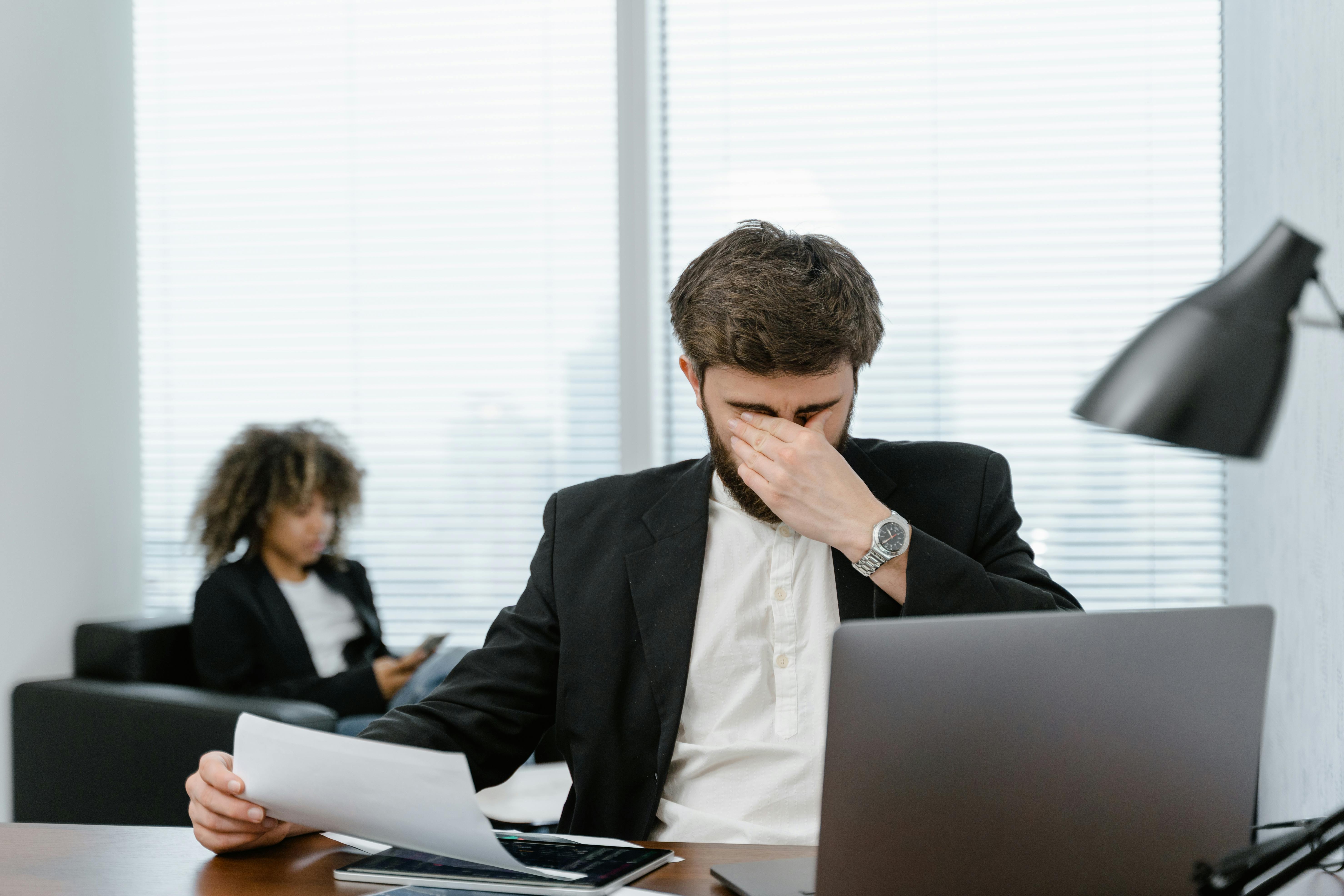
Daily stress is usually linked to specific challenges, while anxiety disorders involve persistent and excessive worry. Recognizing this difference helps individuals respond appropriately and seek the right kind of support when needed.
How Daily Stress Affects Us
Daily stress is a natural reaction to life’s demands, such as work pressure, relationship issues, or financial concerns. It is the body’s way of responding to challenges and can sometimes be helpful in improving focus and performance.
In most cases, stress is temporary and fades once the situation is resolved. However, if it continues for a long time, it can lead to fatigue, irritability, and reduced concentration, affecting overall well-being.
Understanding Anxiety Disorders
Anxiety disorders are more serious and long-lasting mental health conditions. They involve intense fear or worry that persists even when there is no clear reason. This constant state of unease can interfere with daily life and routines.
Common types include generalized anxiety disorder, panic disorder, and social anxiety disorder. These conditions often require professional treatment, as they do not simply disappear when stressors are removed.
Key Differences Between Stress and Anxiety
The main difference lies in duration and intensity. Stress is usually short-term and linked to a specific cause, while anxiety tends to be ongoing and not always tied to a clear trigger.
Stress can motivate individuals to act, but anxiety often creates a sense of helplessness. While stress reduces once the problem is managed, anxiety may continue and even worsen without proper care.
Causes of Daily Stress
Daily stress can arise from various sources, including environmental, social, and personal factors. Work deadlines, family responsibilities, and financial pressures are among the most common triggers.
Lifestyle habits such as poor sleep, lack of exercise, and unhealthy routines can increase stress levels. However, these stressors are usually manageable and can be reduced with healthy coping strategies.
Causes of Anxiety Disorders
Anxiety disorders develop due to a combination of factors rather than a single cause. Genetics, brain chemistry, and past experiences all play a role in their development.
Traumatic events, long-term stress, and certain personality traits can increase the risk. Unlike daily stress, anxiety disorders often build gradually and may persist without clear external triggers.
Impact on Daily Life
Stress and anxiety affect daily life in different ways. Stress may temporarily disrupt routines but is usually manageable. People can often continue their tasks with some effort.
In contrast, anxiety disorders can interfere with work, relationships, and social life. Individuals may avoid situations, struggle with concentration, and feel overwhelmed even in normal circumstances.
Common Symptoms
Stress typically shows up as tension, irritability, or tiredness. It may also cause headaches or difficulty sleeping, but these symptoms are usually short-lived.
Anxiety disorders involve more intense symptoms such as constant worry, restlessness, rapid heartbeat, and a sense of fear or panic. These symptoms can persist and become more severe over time.
Managing Daily Stress
Managing stress involves simple but effective lifestyle changes. Good time management, regular physical activity, and relaxation techniques like deep breathing can make a significant difference.
Spending time with supportive people and engaging in hobbies also helps reduce stress. Building healthy habits can improve resilience and make daily challenges easier to handle.
Managing Anxiety Disorders
Anxiety disorders often require professional support. Therapy, especially cognitive-behavioral therapy, can help individuals change negative thought patterns and develop coping skills.
In some cases, medication may be recommended. Along with treatment, lifestyle changes such as proper sleep, exercise, and mindfulness practices can support recovery and improve overall mental health.
Conclusion
Although stress and anxiety may feel similar, they are not the same. Stress is a temporary response to challenges, while anxiety disorders are more persistent and complex conditions.
Understanding these differences is important for taking the right steps toward mental well-being. By adopting healthy coping strategies and seeking help when needed, individuals can manage both stress and anxiety more effectively.
