
By Himalayan Siddhaa Akshar – Author, Columnist, and Founder of Akshar Yoga Kendraa,
Asthma can make every day breathing feel challenging, especially during seasonal changes, stress, or physical activity. Although medical treatment and professional care are still significant, yoga provides supportive practices, which may help to strengthen the respiratory system and enhance awareness of breathing. Yoga promotes improved oxygen supply, relaxation and balance at large through soft movements and deliberate breathing.
Practicing yoga frequently can make people feel more relaxed, more active, and more in touch with their breathing. The everyday methods, which are performed with patience and consistency, can slowly help to make the respiratory strength and emotional well-being.
The role of Yoga in the respiratory health.
Yoga is about conscious breathing and moving the body in a gentle manner. This mixture assists in enhancing the lung capacity, enhancing respiratory muscles, and decreasing stress. Because in some cases the anxiety and tension may cause breathing discomfort, the calming effect of yoga on the nervous system comes in particularly handy among asthma patients.
1. Bhujangasana (Cobra Pose)
Formation
The practitioner is in the prone position with legs straight and palms flat next to the chest. During inhalation, the chest is gradually raised upwards keeping the lower body resting on the floor. The shoulders are kept soft and the head is kept straight forward.
Benefits
Bhujangasana not only opens the chest but also helps to expand the lungs better. It enhances the breathing capacity, strengthens the spine, and enhances the blood flow. The posture is also used to alleviate the stiffness and fatigue.
Do’s and Don’ts
The position is supposed to be learnt in a natural manner that does not strain the lower back. Elbows are to be kept in slight bend as well as breathing should be kept smooth. Do not push up the lift.
2. Matsyasana (Fish Pose)
Formation
The practitioner is in the back position and arches the chest upwards with the support of the body using the elbows. The top of the head is slightly in contact with the floor, and the chest is open.
Benefits
Matsyasana enlarges the chest and throat region which aids in increase of airflow and oxygen supply. It aids in enhancing posture and can help relieve the respiratory muscles tightness.
Do’s and Don’ts
Avoid putting excessive pressure on the head or neck. Move slowly and comfortably. People having discomfort in their necks should observe caution.
3. Marjariasana (Cat-Cow Stretch)
Formation
The practitioner gets on his or her hands and knees. During breathing, the back arches downwards and the head lifts. As the exhalation is made, the spine curves upwards and the head falls softly. The movement is with the breath.
Benefits
This mild motion enhances the spinal range and promotes the breathing in a deeper manner. It assists in relaxing the muscles in the chest and back which help to facilitate smoother breathing.
Do’s and Don’ts
Movements are to be kept slow and controlled. Do not twist the neck or the back. Keep a regular breath rate during the practice.
4. Anulom Vilom Pranayama (Alternate Nostril Breathing)
Formation
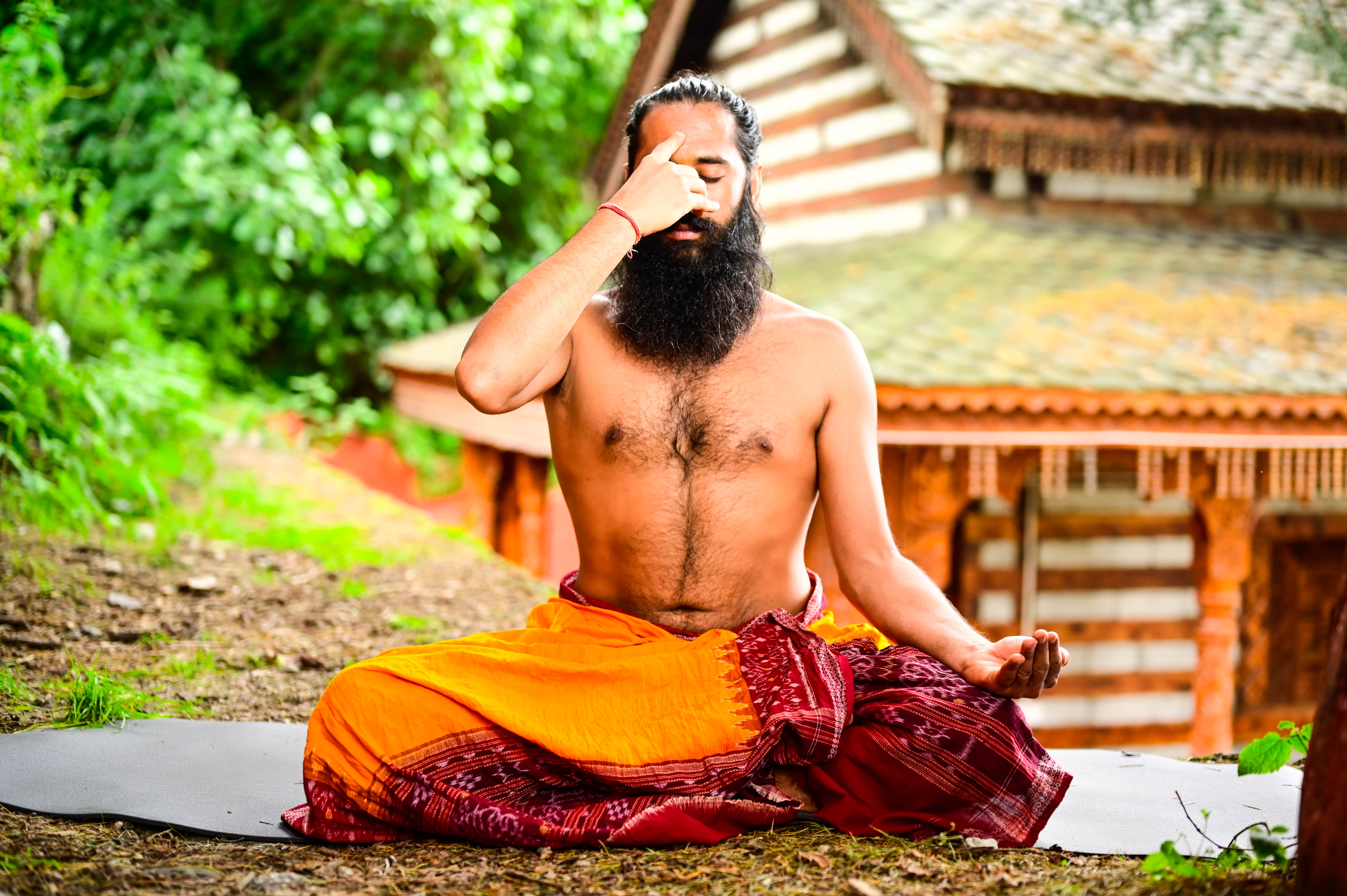
The practitioner is sitting in a comfortable position in a straight posture. When breathing in, one nostril is closed and the breathing in is done through the other nostril and vice versa, in a serene pace.
Benefits
Anulom Vilom enhances the lung operation and regulates the nervous system. It assists in calming the mind, decreasing stress levels and assisting in the smooth breathing patterns.
Do’s and Don’ts
The breathing should be non-forceful and natural. Do not perform when in a hurry or distracted state. Maintain focus and a relaxed posture.
5. Bhramari Pranayama (Humming Bee Breath)
Formation
The practitioner will shut the eyes and then inhale slowly making a soft humming sound. The vibrations created by the sound help relax the body and mind.
Benefits
Bhramari fosters relaxation and assists in the reduction of anxiety that can be related to breathing discomfort. It loosens the respiratory system and promotes an improved breath control.
Do’s and Don’ts
The humming must not be loud or harsh. Avoid loud or harsh sounds. Experience in a non violent setting.
Conclusion: Breathing with Strength and Confidence.
Yoga practices can be of great benefit to the patients with asthma by enhancing the breath strength, alleviating stress, and promoting mindful breathing. Although yoga does not substitute any medical treatment, it is still a complement to the overall wellbeing, and helps individuals feel better balanced and confident.
Yoga may be a smooth and easy route to healthier breathing, calmer and more energized living.