
Chennai, Sep 19: Tamil Nadu is witnessing a rise in dengue infections with changing weather and rainfall creating favourable conditions for mosquito breeding, prompting the state health authorities to intensify surveillance and preventive measures.
The state has reported 16,577 dengue cases and nine deaths so far this year, with 244 fresh infections recorded on September 17. Chennai alone reported 87 new cases on the same day, according to the latest health updates.
The increase has been reported across several districts, including Chennai, Coimbatore, Erode, Tiruppur, Salem and Krishnagiri. Health authorities have also identified other areas where dengue prevention and monitoring need to be strengthened.
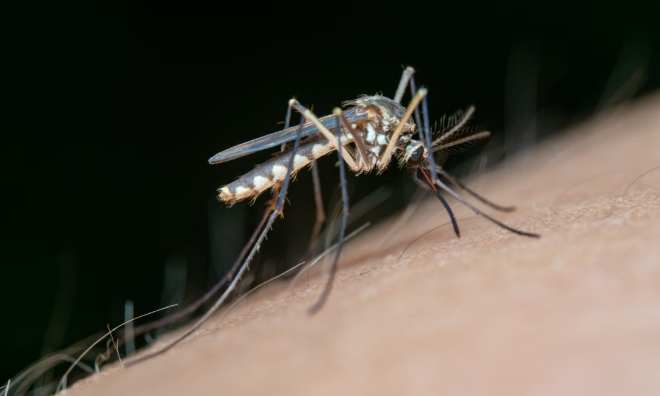
Rainfall and changing weather conditions can create stagnant water around homes, construction sites, vacant plots and public spaces, providing breeding grounds for Aedes mosquitoes that transmit dengue.
To contain the spread, more than 25,000 mosquito-control workers have been engaged across Tamil Nadu. District administrations have been asked to strengthen surveillance, identify mosquito-breeding locations and monitor daily dengue cases.
In Chennai, mosquito-control teams are conducting inspections across residential areas, construction sites, vacant plots and other vulnerable locations. Fever surveillance has also been strengthened through hospitals and field visits to help identify infections at an early stage.
Health officials have stressed that the recent increase follows seasonal patterns and does not currently indicate an unusual outbreak. At the same time, continued prevention remains important as rainfall can increase the risk of mosquito breeding.
Residents can play an important role by removing stagnant water from their surroundings, regularly cleaning water-storage containers and ensuring that coolers, flowerpots, discarded tyres and other potential breeding sites do not collect water.
People experiencing persistent fever, severe body ache, headache, fatigue or other concerning symptoms have been advised to seek medical attention rather than delay testing or treatment.
With the monsoon continuing to influence weather conditions across the state, sustained mosquito-control efforts and public participation will remain key to reducing dengue transmission and protecting communities.