
In an era dominated by technology, the idea of a digital detox has gained widespread attention. A digital detox involves intentionally stepping away from electronic devices such as smartphones, tablets, and computers to reduce stress, improve focus, and enhance overall mental well-being. By taking a break from constant connectivity, individuals can regain control over their time, reduce anxiety, and reconnect with themselves and their surroundings.
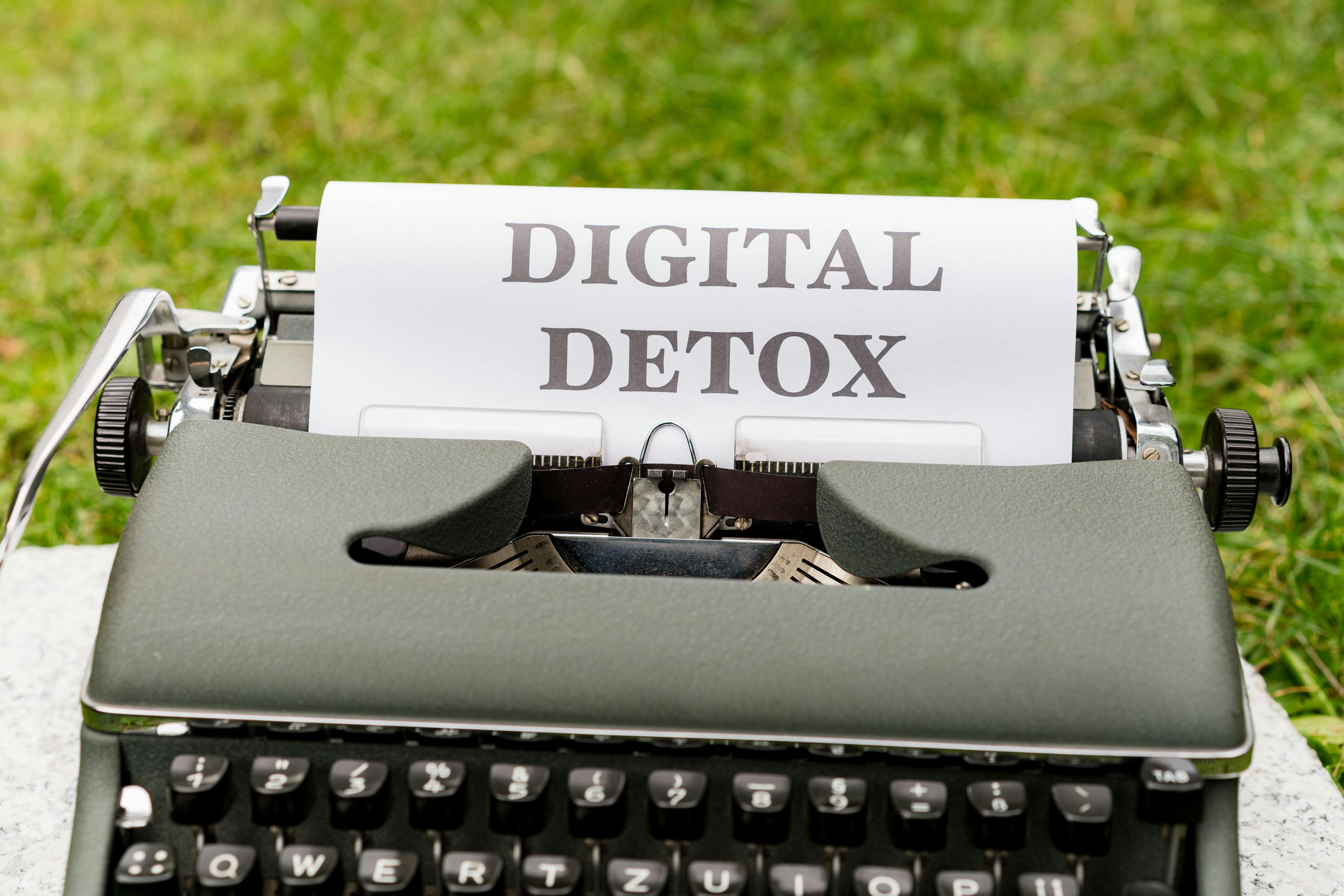
Reclaim Your Mind: The Power of a Digital Detox
A digital detox is a deliberate break from smartphones, computers, and other screens to reduce stress, improve focus, and boost mental well-being. By stepping away from constant notifications and online pressures, individuals can reconnect with themselves, enjoy offline activities, and improve sleep and mindfulness. Though challenges like FOMO or work demands may arise, setting clear limits and goals makes a detox effective, helping restore balance and promote overall mental health.
The Rise of Screen Time and Its Consequences
Screen usage has surged in recent years, with adults spending more than 11 hours daily on electronic media and teenagers averaging over seven hours. While technology offers convenience and connectivity, excessive screen time has notable downsides. Prolonged exposure can lead to digital eye strain, disrupted sleep, and feelings of isolation, despite being constantly “connected.” Social interactions often shift online, which may diminish face-to-face communication and emotional bonds. The pandemic further amplified digital dependence, highlighting the need for deliberate breaks to protect mental health.
Technology and Mental Health
Research shows a clear link between high screen time and mental health challenges. Overuse of social media, for example, can increase anxiety, depression, and stress. Comparing one’s life to the curated images of others can fuel feelings of inadequacy and isolation. The pressures of constant notifications and the need to maintain an online presence further strain attention and emotional well-being.
Additionally, technology can disrupt essential routines like sleep. Blue light from screens interferes with melatonin production, making it harder to fall asleep and stay rested. Over time, poor sleep and constant digital stimulation contribute to cognitive fatigue, reduced focus, and heightened stress. Recognizing these impacts underscores the importance of consciously managing digital device usage.
Understanding Is a Digital Detox
A digital detox is a conscious effort to reduce or temporarily eliminate the use of electronic devices. This can range from short-term breaks, such as a weekend without screens, to extended periods spanning a week or more. During a detox, individuals are encouraged to engage in offline activities, pursue hobbies, spend time outdoors, and reconnect with loved ones.
Digital detox practices can also include establishing tech-free zones at home or limiting screen time during specific hours. The goal is not merely abstinence but developing awareness of one’s digital habits and cultivating a healthier balance between online and offline life.
Benefits of Digital Detox
Engaging in a digital detox can yield significant mental health benefits. Many report improved mood, reduced anxiety, and greater relaxation after stepping away from screens. Detoxing also enhances focus and productivity by eliminating constant digital distractions, allowing individuals to concentrate on meaningful tasks.
Sleep quality often improves as screen exposure decreases, contributing to better emotional regulation and overall well-being. Additionally, disconnecting from devices promotes mindfulness and encourages presence in daily life. Personal stories support these findings: one professional rediscovered hobbies and regained creativity, while a student experienced reduced social media-induced stress and greater self-esteem.
Challenges of Disconnecting
While the benefits are clear, digital detoxing is not without challenges. The fear of missing out (FOMO) can make individuals anxious about being disconnected from social media or news. Work obligations and professional expectations also complicate efforts to unplug.
Technology itself is designed to be engaging, with notifications and endless scrolling encouraging habitual use. Emotional and psychological ties to digital devices make detachment challenging. Acknowledging these barriers and planning strategies to overcome them is essential for a successful detox.
Strategies for an Effective Digital Detox
To maximize the benefits of a digital detox, individuals should set clear goals. Determine whether the aim is to reduce screen time, limit social media usage, or improve focus on offline activities. Creating a structured schedule with designated tech-free periods helps establish boundaries and prevent mindless engagement.
Digital wellness apps can track and limit device use, fostering a healthier relationship with technology. Filling freed-up time with hobbies, exercise, or social interactions strengthens resilience and supports overall well-being. Consistency, self-awareness, and adaptability are key to achieving a lasting balance between digital engagement and mental health.
Expert Insights
Mental health professionals support the value of digital detoxes. Dr. Anna Miller, a clinical psychologist, emphasizes that periodic breaks from screens enhance mindfulness and emotional presence. Dr. Tom Richards highlights the importance of reducing cognitive overload caused by constant notifications, which can improve focus and mental clarity. recommend starting gradually, implementing short tech-free periods before attempting longer detoxes. These structured approaches help individuals build sustainable habits while minimizing withdrawal symptoms.
Is a Digital Detox Worth It?
In today’s digital-first world, a structured break from screens can provide profound mental health benefits. Reduced cognitive overload, improved mood, and enhanced focus are just a few advantages. However, digital engagement is not inherently harmful; it is an essential tool for work, learning, and social connection. digital detox is most effective when tailored to individual needs.
Conclusion
