
Introduction: The Growing Importance of Accessible Health
Information
In today’s fast-paced and digitally connected world, access to reliable health information has become not just a convenience, but a necessity. With the rising prevalence of chronic diseases, lifestyle-related disorders, and mental health challenges, individuals are increasingly required to take an active role in managing their own health. Empowerment begins with knowledge—and the ability to access accurate, timely, and actionable health information can significantly influence outcomes.
Understanding one’s health status allows individuals to make informed decisions, adopt preventive behaviors, and respond effectively to early warning signs. Easy access to health tools and educational resources enhances self-efficacy, helping people feel more confident in managing their conditions and making sustainable lifestyle changes. From nutrition and physical activity to sleep and stress management, informed choices shape long-term well-being.
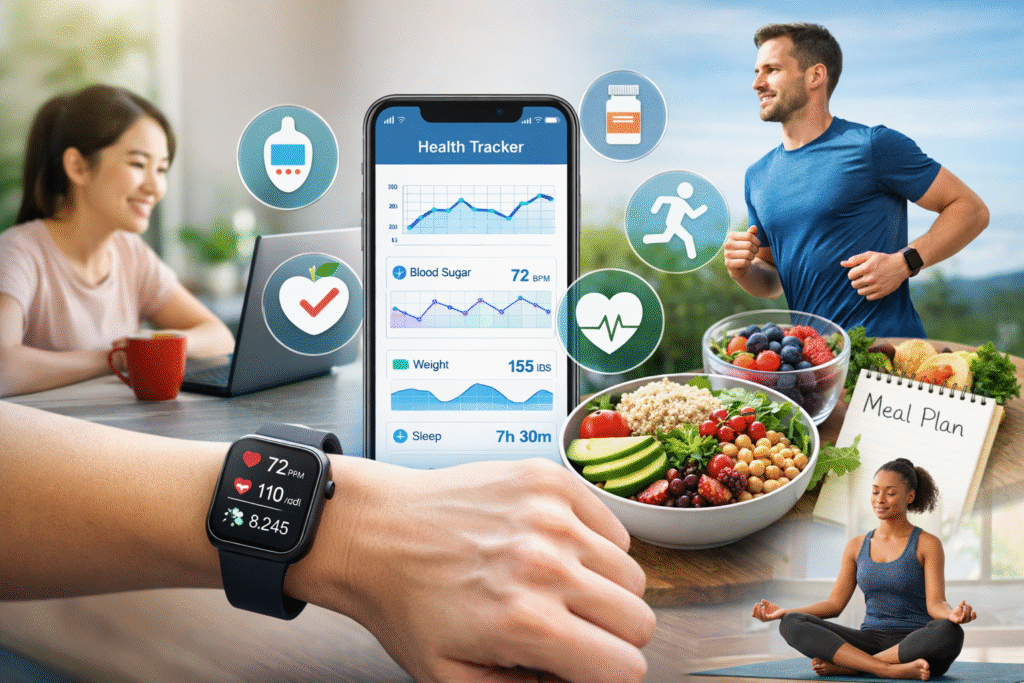
At the same time, the digital transformation of healthcare has redefined how people interact with health systems. Mobile apps, wearable devices, telemedicine platforms, and AI-powered coaching tools have brought personalized health management directly into everyday life. These innovations are breaking down geographical, economic, and informational barriers—making health support more inclusive, proactive, and user-centric.
This article explores how integrated digital health platforms are empowering individuals through easy access to information, smart condition tracking, and holistic lifestyle support—while highlighting the most effective tools, apps, and trends shaping health management in 2026.
The Role of Technology in Democratizing Health Information
The digital age has fundamentally changed how health information is created, shared, and consumed. Today, individuals no longer rely solely on in-person consultations or printed materials. Instead, they have access to vast libraries of verified health content through apps, websites, and online communities—available anytime and anywhere.
Reputable platforms such as Mayo Clinic, WebMD, and government-backed health portals provide user-friendly explanations of symptoms, conditions, treatments, and preventive care. This accessibility allows users to better understand their health concerns, dispel common myths, and distinguish evidence-based guidance from misinformation that often circulates online.
Beyond static information, interactive health platforms now offer personalized insights based on user data. AI-driven systems analyze lifestyle patterns, health metrics, and preferences to deliver tailored recommendations. This shift from generic advice to individualized guidance marks a critical evolution in health education and engagement.
Telehealth services further enhance access by allowing individuals to consult healthcare professionals remotely. Video consultations, digital prescriptions, and remote monitoring tools have reduced dependence on physical visits—saving time and improving continuity of care, especially for those in remote or underserved areas.
Together, these technologies have created an ecosystem where health information is no longer fragmented or inaccessible, but integrated into daily life.
Tracking Health Conditions: From Awareness to Action
Effective health management begins with awareness. Tracking health conditions consistently enables individuals to recognize patterns, identify risks early, and make data-driven decisions. Digital health tools have transformed this process by making monitoring simple, visual, and actionable.Wearables and Smart Devices
Fitness trackers and smartwatches monitor key metrics such as heart rate, physical activity, sleep quality, oxygen levels, and stress indicators. These devices provide real-time feedback, helping users understand how daily habits affect overall health.
Health Tracking Applications
Mobile health apps allow users to log symptoms, medications, blood glucose levels, blood pressure readings, and mood changes. Many platforms integrate data from wearables, creating a comprehensive health dashboard that reflects both lifestyle behaviors and medical indicators.
Condition-Specific Management
Apps designed for chronic conditions—such as diabetes, cardiovascular disease, or mental health disorders—offer specialized tracking tools and reminders. By visualizing trends over time, individuals can spot irregularities early and share accurate reports with healthcare providers, leading to more productive consultations.
Ultimately, consistent tracking shifts health management from reactive to proactive, empowering individuals to take timely action and maintain better control over their well-being.
Nutrition Support: Building Health Through Better Eating
Nutrition plays a foundational role in overall health, influencing energy levels, immunity, weight management, and disease prevention. However, making informed dietary choices can be challenging without proper guidance. Digital nutrition tools have emerged as powerful allies in simplifying healthy eating.
Nutrition Tracking Tools
Apps such as MyFitnessPal, HealthifyMe, and Cronometer allow users to log meals, track calories, and monitor macro- and micronutrient intake. Advanced platforms now support photo-based food logging and regional cuisine databases, making tracking more accurate and culturally relevant.
AI-Powered Meal Planning
AI-driven nutrition apps generate personalized meal plans based on health goals, dietary preferences, allergies, and progress. These plans adapt over time, ensuring flexibility while maintaining nutritional balance.
Educational Resources
Beyond tracking, digital platforms offer articles, videos, and expert insights that help users understand portion sizes, food labels, and nutritional benefits. This educational layer transforms nutrition from a restrictive task into an informed lifestyle choice.
By combining awareness, planning, and education, nutrition-focused digital tools empower individuals to build sustainable and enjoyable eating habits.
Physical Activity: Encouraging Consistent Movement
Regular physical activity is essential for maintaining cardiovascular health, muscle strength, mental well-being, and longevity. Yet, motivation and consistency remain common challenges. Technology has played a pivotal role in making movement more engaging, structured, and accessible.
Fitness and Activity Apps
Modern fitness apps provide guided workouts, personalized training plans, and real-time feedback. Whether it’s strength training, yoga, HIIT, or walking, users can find routines suited to their fitness levels and preferences.
GPS and Performance Tracking
Apps like Strava track outdoor activities using GPS, offering performance analytics and social motivation through challenges and community engagement.
Community and Accountability
Digital platforms foster motivation by connecting users with communities, challenges, and progress-sharing features. Social support increases accountability and encourages long-term commitment to active lifestyles.
By integrating movement into daily routines and providing measurable progress, these tools help individuals stay active without overwhelming pressure.
Overcoming Barriers to Lifestyle Change
While tools and information are readily available, lifestyle change often involves overcoming practical, environmental, financial, and psychological barriers.
Time Constraints
Busy schedules can hinder healthy habits. Structured planning, reminders, and short, effective routines help integrate wellness into daily life without disruption.
Environmental Influences
Unhealthy surroundings can be countered by consciously shaping supportive environments—such as stocking nutritious foods or identifying accessible spaces for physical activity.
Financial Considerations
Healthy living does not need to be expensive. Budget-friendly nutrition planning, free workout resources, and community programs make wellness accessible to all.
Motivation and Mindset
Setting achievable goals, tracking progress, and celebrating small wins play a critical role in sustaining change. Support groups and professional guidance further reinforce motivation and resilience.
Addressing these barriers transforms lifestyle change from an intimidating challenge into a manageable, step-by-step journey.
Building a Strong Support System
Health journeys are more successful when individuals are supported. Friends, family, communities, and professionals all contribute to sustained behavior change.
Shared activities, group challenges, and online forums foster encouragement and accountability. Professional support—from nutritionists, trainers, or wellness coaches—provides tailored guidance and confidence.
A strong support system reinforces commitment, reduces isolation, and enhances emotional well-being throughout the health journey.
2026 Industry Trends: The Rise of Integrated Health Platforms
As we move into 2026, the most effective health solutions are comprehensive platforms that integrate information, tracking, and lifestyle support into a single ecosystem.
Key Trends Shaping Digital Health
-
AI-Powered Personalization: On-demand coaching and adaptive recommendations
-
Wearable Integration: Seamless syncing with Apple Health, Google Fit, Garmin, and Fitbit
-
Voice and Photo Logging: Faster, more intuitive data entry
-
Preventive Focus: Early intervention through predictive analytics
Leading Apps by Category
Top Overall Health & Lifestyle Apps
-
HealthifyMe
-
Noom
-
MyFitnessPal
-
Fitbit
Nutrition & Diet Tracking
-
Cronometer
-
Fitia
-
FoodSwitch
Physical Activity & Exercise
-
Strava
-
Caliber
-
Nike Training Club
Condition Management & Tracking
-
Medisafe
-
MySugr
-
Bearable
-
Visible
These platforms exemplify how technology is enabling holistic, user-centric health management.
Real-Life Success Stories: Proof of Transformation
From weight loss journeys to chronic disease reversal, real-world examples highlight the power of accessible health tools. Individuals who once struggled with consistency now achieve measurable improvements by leveraging data, education, and support.
These stories reinforce a powerful message: with the right tools and mindset, meaningful change is achievable for everyone.
Conclusion: A Smarter, More Empowered Approach to Health
Empowered health management is built on access, awareness, and action. By embracing digital tools that combine trusted information, smart tracking, and lifestyle support, individuals can take control of their well-being with confidence.
As technology continues to evolve, healthcare is becoming more personalized, preventive, and inclusive. The future of health lies not just in treatment, but in empowering individuals to live healthier, more balanced lives—every day.
Disclaimer: Before making significant lifestyle or medical changes, always consult a qualified healthcare professional.