
Personal hygiene is the practice of maintaining cleanliness through activities like bathing, handwashing, brushing teeth, and wearing clean clothes. For children, developing these habits is vital for physical health, as it reduces the risk of infections, and for social and emotional growth, boosting self-confidence and responsibility. Early education in personal care not only promotes lifelong healthy habits but also encourages children to take pride in their appearance and positively influence those around them.
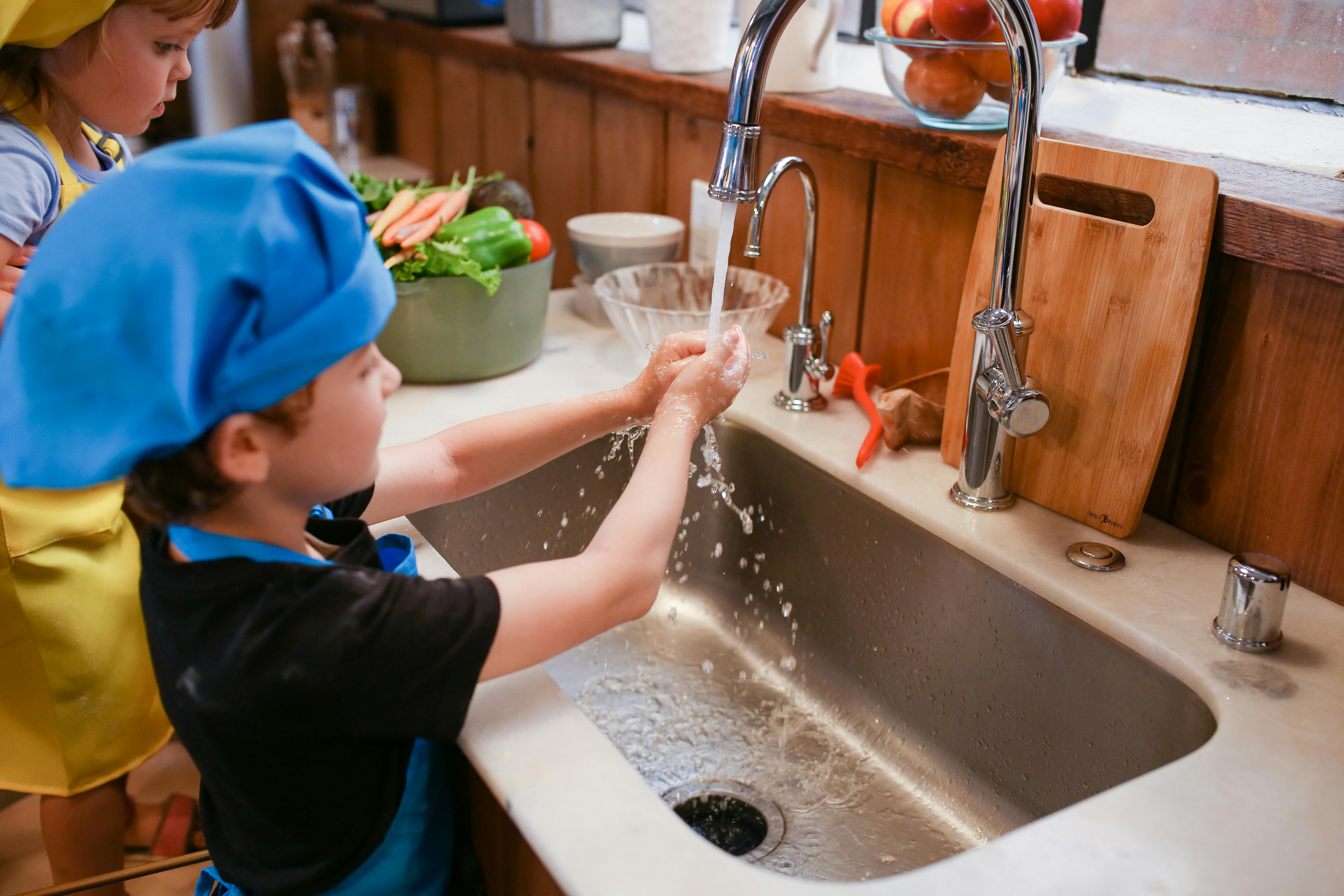
Handwashing: Protecting Children from Germs
Handwashing is one of the most effective practices for preventing illnesses, including respiratory infections and gastrointestinal diseases. According to the Centers for Disease Control and Prevention (CDC), proper handwashing can reduce respiratory illness by approximately 21% and diarrheal diseases by up to 58%. Children are particularly vulnerable due to frequent hand-to-mouth behaviors and contact with shared surfaces.
Parents and caregivers should teach children to wash hands at key times—before meals, after using the toilet, and after playing outdoors. The correct method involves wetting hands with clean running water, applying soap, and scrubbing for at least 20 seconds, ensuring the backs of hands, between fingers, and under nails are thoroughly cleaned. After rinsing, hands should be dried with a clean towel or air-dried. Encouraging proper hand hygiene not only reduces the risk of infection but also fosters a sense of responsibility in children.
Oral Hygiene: Building a Healthy Smile
Oral hygiene is a critical aspect of overall health. Brushing teeth twice daily with fluoride toothpaste removes plaque, while daily flossing eliminates food particles and bacteria in areas a toothbrush cannot reach. These practices prevent cavities, gum disease, and other dental issues. Poor oral hygiene in childhood can lead to pain, infection, and reduced self-confidence, while also being linked to broader health concerns, including diabetes and heart disease.
Parents can make oral care engaging by modeling good habits, using fun toothbrushes or flavored toothpaste, and setting consistent routines—brushing after meals and before bedtime. Regular dental check-ups further reinforce the importance of maintaining oral health.
Bathing and Body Care
Bathing is essential for removing dirt, sweat, and germs while preventing skin irritations and infections. A consistent bathing routine nurtures a sense of personal care and boosts confidence, as children feel clean and comfortable in social interactions. Parents can make bath time enjoyable with toys, bubbles, or music, turning hygiene into a positive experience.
Body care also includes moisturizing to prevent dryness, especially in sensitive skin, and teaching children the benefits of cleanliness in preventing illness. Structured bathing routines build lifelong habits that support both health and self-esteem.
Nail and Hair Care
Maintaining nails and hair is not only about appearance but also about health. Regular nail trimming prevents the accumulation of dirt and bacteria under long nails, reducing infection risk. Nails should ideally be trimmed weekly, and children should be taught safe clipping techniques.
Hair care involves washing hair regularly with appropriate shampoo and combing or brushing daily to prevent tangling, distribute natural oils, and avoid scalp conditions such as dandruff or lice. Proper hair and nail hygiene contribute to overall cleanliness and reinforce healthy habits from an early age.
Proper Toileting Practices
Toilet training is a key milestone that fosters independence and responsibility. Children should be taught to use the toilet correctly, wipe front to back, and flush after use to maintain cleanliness. Handwashing after toileting is critical to prevent the spread of germs. Creating a supportive environment, offering guidance, and reinforcing positive behaviors help children develop consistent hygiene practices that will benefit them throughout life.
Teaching Children Germs
Helping children understand germs—bacteria, viruses, fungi, and protozoa—promotes awareness of why hygiene matters. Age-appropriate explanations using visuals, stories, or simple experiments (like glitter representing germs) make the concept tangible. Children should learn how germs spread, how they can enter the body, and which habits prevent infections, such as handwashing, covering coughs or sneezes, and avoiding close contact with sick individuals. Integrating these lessons into daily routines reinforces the connection between hygiene and health.
Developing Healthy Hygiene Routines
Routines instill consistency and responsibility in personal hygiene. Caregivers can make routines engaging through playful elements such as timers, songs, or colorful charts with rewards for completing tasks like brushing teeth, bathing, or handwashing. Involving children in creating these routines increases ownership and motivation.
Daily hygiene routines reinforce understanding of personal wellness, helping children internalize these habits so they become natural behaviors. Consistency from an early age ensures that hygiene becomes second nature as children grow more independent.
Encouraging Independence
Promoting independence in personal hygiene is crucial for building confidence and accountability. Children can gradually take responsibility for tasks such as brushing teeth, bathing, and keeping their clothes clean. Offering age-appropriate guidance, choices in hygiene products, and positive reinforcement encourages autonomy. Caregivers can also explain the connection between hygiene and preventing illness, helping children understand the practical importance of maintaining personal cleanliness. Over time, this independence empowers children to manage their own hygiene effectively.
Conclusion
Teaching personal hygiene to children is an essential part of fostering lifelong health, confidence, and responsibility. From handwashing and oral care to bathing, nail and hair maintenance, and proper toileting, every aspect of hygiene contributes to overall well-being. By establishing routines, explaining the role of germs, and encouraging independence, parents and caregivers equip children with the tools to maintain their health and prevent illness. Early education in hygiene not only protects physical health but also nurtures emotional growth, social confidence, and a sense of personal responsibility—skills that will serve children throughout their lives.
