
In today’s fast-paced world, healthy lunchboxes are crucial for school children, supporting their growth, cognitive development, and overall well-being. Nutritious meals with fruits, vegetables, whole grains, and lean proteins help sustain energy, improve focus, and enhance classroom participation, while poor eating habits—like processed snacks and sugary drinks—can lead to obesity, diabetes, and learning difficulties. Prioritizing balanced lunches not only promotes physical and mental health but also fosters lifelong healthy habits and lays the foundation for academic success.
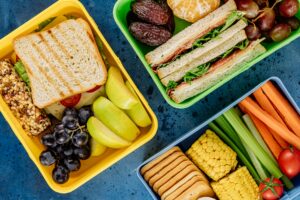
Key Nutritional Components for School Lunches
A balanced school lunch should include a variety of nutrients to support growth and development:
-
Proteins: Crucial for building and repairing tissues, proteins help children maintain energy and focus. Good sources include lean meats, eggs, dairy products, beans, and legumes. Children typically require 46–52 grams of protein daily, depending on age.
-
Carbohydrates: Serving as the primary energy source, carbohydrates should come from whole grains, fruits, and vegetables to provide fiber and steady energy. Whole grain bread, brown rice, and fresh fruits are ideal options.
-
Healthy Fats: Vital for brain development and nutrient absorption, healthy fats can be sourced from avocados, nuts, seeds, and olive oil. Fat should make up around 30% of a child’s daily caloric intake.
-
Vitamins and Minerals: Essential for immune function and overall growth, vitamins like A, C, and D, and minerals such as calcium and iron, can be obtained from colorful fruits, vegetables, dairy products, and fortified cereals.
By incorporating these nutrients, parents can ensure their children receive well-rounded meals that support learning, energy, and overall health.
Easy and Nutritious Lunchbox Recipes
Creating healthy and appealing lunches can be simple and enjoyable. Here are some easy ideas:
-
Whole Grain Wraps: Spread hummus or cream cheese on a whole wheat tortilla, add sliced turkey or chicken, spinach, and colorful bell peppers. Roll and slice into pinwheels for a fun presentation.
-
Quinoa Salad: Mix cooked quinoa with cucumbers, cherry tomatoes, and feta cheese. Dress with olive oil and lemon juice. Quinoa is rich in protein and fiber, providing sustained energy.
-
Bento Boxes: Include whole grain crackers, cheese slices, apple slices, and baby carrots. A variety of textures and colors makes the meal appealing while providing essential nutrients.
-
Mini Meatballs: Bake lean turkey meatballs mixed with oats and Italian spices. Serve with a small container of marinara sauce for dipping. This protein-rich option is finger-friendly and satisfying.
Making Lunches Fun and Engaging
Presentation can encourage children to eat healthily:
-
Shaped Sandwiches: Use cookie cutters to create stars, hearts, or animal shapes from bread.
-
DIY Lunches: Allow kids to assemble wraps, mini-pizzas, or tacos, giving them choice and control over their meals.
-
Themed Lunch Days: Incorporate fun themes like "Taco Tuesday" or "Rainbow Day" with colorful fruits and vegetables.
-
Little Surprises: Adding a handwritten note or small toy can make lunchtime exciting and encourage children to enjoy their meals.
Healthy Snack Suggestions
Snacks play an important role in keeping children energized:
-
Fruits and Vegetables: Apple or pear slices with almond butter, carrot sticks, cucumber slices, or bell peppers with hummus.
-
Whole Grain Options: Whole grain crackers, rice cakes, or granola bars with natural sweeteners.
-
Dairy or Alternatives: Low-fat yogurt, cheese sticks, or plant-based yogurt.
-
Nuts and Seeds: Mixed nuts, seeds, or energy balls made from oats, nut butter, and a touch of honey (if there are no allergies).
Including a variety of snacks ensures sustained energy and supports healthy eating habits.
Tips for Packing and Storing Lunches
-
Use insulated, BPA-free, and microwave-safe lunch containers with compartments.
-
Keep perishable foods safe with ice packs; freeze yogurt or drinks to help maintain cool temperatures.
-
Store ingredients separately when possible to prevent sogginess, especially for salads or grain dishes.
-
Let cooked grains cool before packing to reduce condensation.
-
Clean containers thoroughly after each use to avoid bacterial growth.
Addressing Allergies and Dietary Restrictions
-
Be aware of common allergens such as nuts, dairy, gluten, eggs, and soy.
-
Prevent cross-contamination by using separate utensils and containers.
-
Substitute allergens with safe alternatives: plant-based milk, gluten-free grains, or sunflower seed butter.
-
Involving children in meal prep helps them understand and manage their dietary restrictions.
Involving Children in Lunch Preparation
Engaging children in making their lunches fosters independence and responsibility. It allows them to make healthier choices, try new foods, and develop essential cooking skills. Preparing meals together can also strengthen family bonds and create positive attitudes toward food and mealtime.
Conclusion: Establishing Lifelong Healthy Habits
Healthy lunchboxes are more than just a meal—they are a tool for promoting long-term wellness and learning. By consistently providing nutritious options, parents can nurture good eating habits, enhance concentration and academic performance, and reduce the risk of chronic diseases. Involving children in meal planning and preparation can make nutrition exciting, empowering them to make better choices for life. Ultimately, prioritizing health in every lunch contributes to happier, healthier, and more successful children.