
Cruciferous vegetables, such as broccoli, cauliflower, kale, Brussels sprouts, and cabbage, belong to the Brassicaceae family, known for its nutrient-rich plants. Named for their cross-shaped flowering structures, these vegetables are low in calories yet packed with vitamins, minerals, fiber, and potent bioactive compounds. Among these, glucosinolates—sulfur-containing compounds—stand out for their cancer-preventive properties. When broken down during chewing or digestion, glucosinolates form metabolites like sulforaphane and indole-3-carbinol, which help detoxify carcinogens, regulate inflammation, and inhibit cancer cell growth.
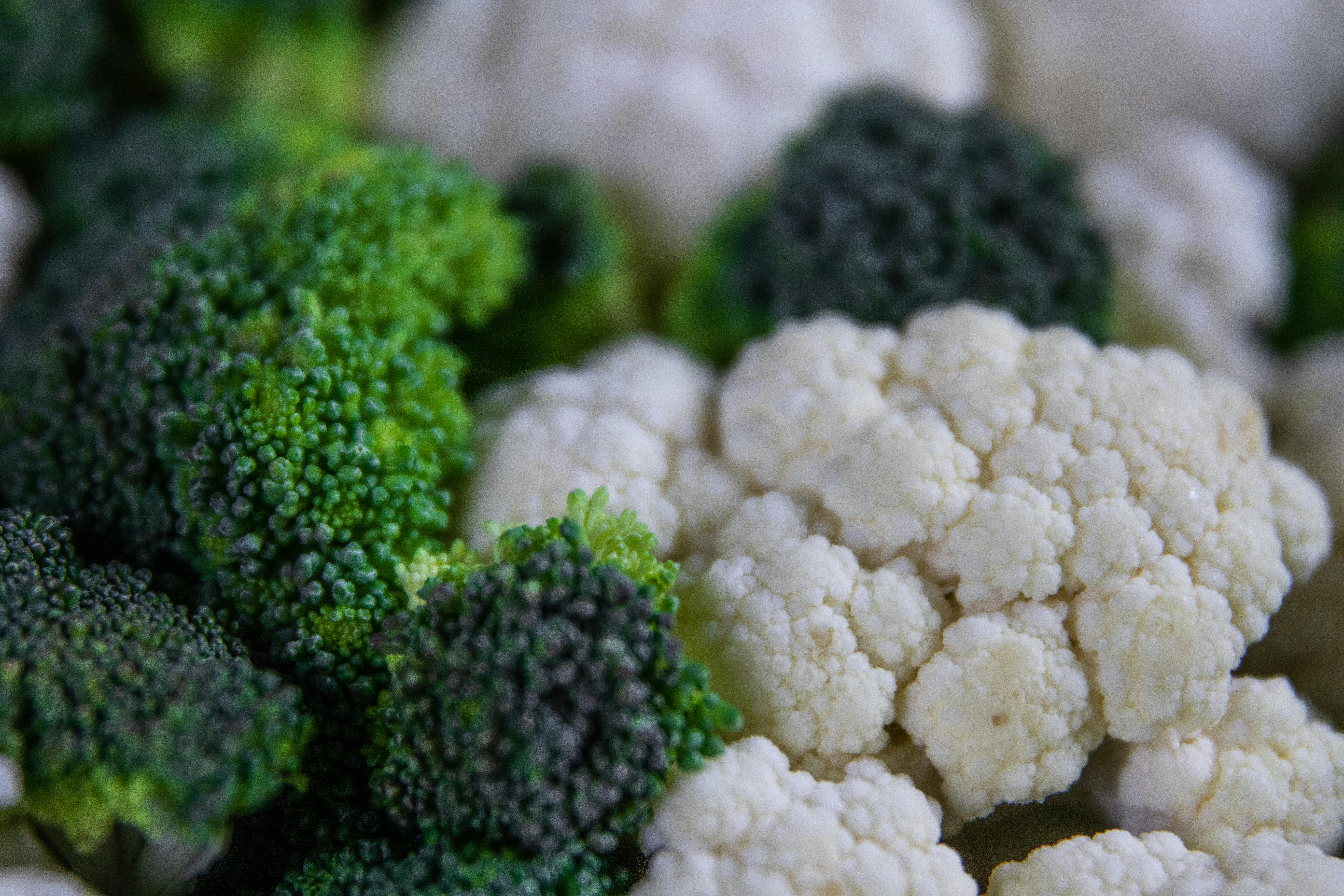
Colon cancer, also called colorectal cancer, is one of the most common cancers globally, with millions of new cases diagnosed annually. While genetics, age, and lifestyle factors contribute to its development, diet plays a central role. Diets high in red and processed meats are linked to increased risk, whereas fiber-rich, plant-based diets are protective. Cruciferous vegetables, in particular, provide a combination of fiber, vitamins, and phytochemicals that help maintain gut health, support detoxification, and reduce inflammation—factors critical in lowering colon cancer risk.
How Cruciferous Vegetables Fight Cancer
Sulforaphane, a key metabolite in these vegetables, activates detoxification enzymes and inhibits pathways that encourage tumor growth, while promoting apoptosis (programmed cell death) in abnormal cells. Indole-3-carbinol modulates estrogen metabolism and further supports cellular health, reducing the risk of hormone-related cancers. Additionally, the high fiber content promotes regular bowel movements and supports a healthy microbiome, enhancing overall digestive well-being.
Scientific Evidence
Numerous studies support the cancer-preventive properties of cruciferous vegetables. Epidemiological research has found that consuming three or more servings per week can significantly lower colon cancer risk. Clinical trials also show that these vegetables reduce inflammation and oxidative stress, which are linked to cancer progression. The consistency of this evidence underscores the importance of making cruciferous vegetables a dietary staple.
Recommended Intake
To gain maximum benefit, adults should aim for 2–3 servings per week, with one serving roughly equal to one cup raw or half a cup cooked. Including a variety of cruciferous vegetables ensures a broad spectrum of nutrients and bioactive compounds. Those with higher dietary needs, such as pregnant women, older adults, or individuals following plant-based diets, may benefit from slightly higher intake.
Best Ways to Prepare
Preserving the nutrients in cruciferous vegetables is essential. Steaming for 5–7 minutes is ideal, retaining most vitamins and antioxidants. Roasting with a light drizzle of olive oil enhances flavor and encourages consumption. Raw preparations, such as shredded kale in salads or Brussels sprouts slaw, are also effective. Fresh, vibrant vegetables should be prioritized for maximum nutritional impact.
Potential Considerations
While beneficial, excessive intake may cause digestive discomfort due to high fiber and sulfur compounds. Individuals with gastrointestinal conditions or those taking blood-thinning or thyroid medications should consult a healthcare professional. Cooking can reduce potential interference with thyroid function, making these vegetables safer for most people.
Real-Life Benefits
Many individuals report improved digestive health, energy, and overall wellness after regularly consuming cruciferous vegetables. Families incorporating these vegetables into meals notice better eating habits among children, illustrating the long-term impact of including these nutrient-dense foods in daily life.
Conclusion
Cruciferous vegetables are a simple, natural, and effective tool for promoting gut health and reducing colon cancer risk. By incorporating broccoli, cauliflower, kale, and Brussels sprouts into meals several times a week, individuals can harness their unique bioactive compounds and fiber for long-term health benefits. Whether steamed, roasted, or raw, these vegetables contribute not only essential nutrients but also protection against chronic disease. Making cruciferous vegetables a regular part of your diet is a small change with a powerful impact on overall health and well-being.
