
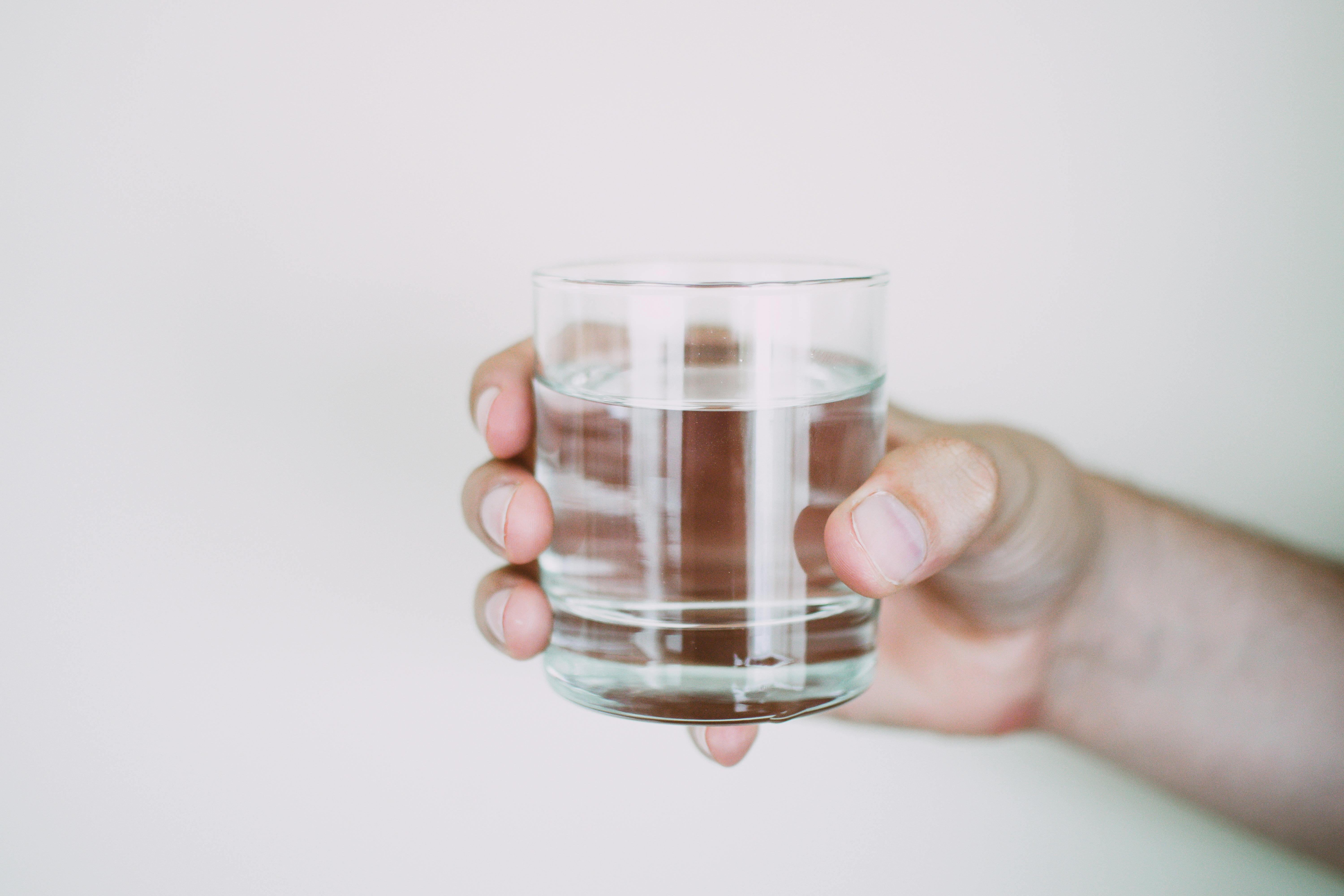
Drinking water quality is a vital part of public health and everyday well-being. Safe water supports essential body functions, while contaminated water can lead to a range of health problems. Because water is consumed daily, even small levels of pollution can accumulate over time and affect long-term health.
Why Drinking Water Quality Matters
Clean drinking water is essential for good health and disease prevention, but it can be contaminated by bacteria, viruses, heavy metals, pesticides, and industrial chemicals through pollution, aging pipelines, or agricultural runoff. While short-term exposure may cause illnesses like diarrhoea and stomach infections, long-term exposure to harmful substances such as lead, arsenic, or nitrates can lead to serious health problems including organ damage, developmental issues in children, and chronic diseases. Poor water quality also affects agriculture, food safety, and the environment, making it a critical public and community health concern. If you are concerned about safety, you can look for water quality testing near me Bhubaneswar to check and ensure your drinking water meets safe standards.
Common Contaminants Found in Water
Water pollution is generally classified into three categories:
- Biological contaminants: Bacteria like E. coli, viruses, and parasites that can cause waterborne diseases
- Chemical contaminants: Heavy metals (lead, mercury, arsenic), pesticides, and industrial waste
- Physical contaminants: Sediments, dirt, and particles that affect clarity and may carry microbes
These contaminants can enter water through natural processes or human activities such as farming, industrial discharge, and faulty plumbing systems.
Understanding Water Quality Standards
Regulatory agencies such as the United States Environmental Protection Agency set safety limits for drinking water contaminants. These standards define the maximum allowable levels of harmful substances to ensure water safety.
For example:
- Lead levels must remain extremely low due to its toxicity
- Nitrates are restricted to protect infants and sensitive populations
- Secondary standards also regulate taste, odor, and appearance
These benchmarks help consumers determine whether their water is safe for regular use.
How Drinking Water Is Tested
There are several ways to check water quality:
1. Home Testing Kits
These are easy-to-use kits that test for basic contaminants like pH, chlorine, and bacteria. They are affordable but may not detect all pollutants.
2. Laboratory Testing
Professional labs provide more accurate and detailed analysis, detecting a wide range of chemical and microbial contaminants. This method is more reliable but takes longer and costs more.
3. Local Authority Testing
In many regions, municipal or health departments offer water testing services and publish public water quality reports.
How to Interpret Water Test Results
Understanding results involves comparing them with safety standards.
Key indicators include:
- pH level: Safe range is typically 6.5–8.5
- TDS (Total Dissolved Solids): Indicates overall mineral and impurity levels
- Lead and heavy metals: Should be near zero or within strict safety limits
- Nitrates and bacteria: Must remain below harmful thresholds
If any value exceeds recommended limits, it may signal contamination requiring immediate attention.
What to Do if Water Quality Is Poor
If test results show contamination, several steps can help improve safety:
- Install filtration systems such as activated carbon or reverse osmosis units
- Boil water to eliminate harmful microorganisms (for short-term safety)
- Consult water quality experts or local authorities for guidance
- Avoid using untreated water for drinking or cooking until resolved
These actions help reduce health risks and restore safe water access.
Preventing Water Quality Problems
Maintaining safe drinking water requires consistent care:
- Test water regularly, especially for private wells
- Store drinking water in clean, safe containers
- Maintain plumbing systems and replace old pipes if necessary
- Flush taps regularly to prevent stagnation
Preventive measures ensure long-term safety and reduce contamination risks.
Reliable Information Sources
Trusted organizations such as the World Health Organization and the Centers for Disease Control and Prevention provide guidelines and research on safe drinking water practices. Local health departments also publish regional water quality reports that help consumers stay informed.
Conclusion
Drinking water quality directly affects health, safety, and quality of life. Regular testing, awareness of contaminants, and proper interpretation of results are essential steps in ensuring safe consumption.
By taking proactive measures—such as using filtration systems, following safety standards, and staying informed—individuals can protect themselves and their families from water-related health risks. Clean water is not just a necessity but a foundation for long-term well-being and sustainable living.
