
Seasonal flu, caused by the influenza virus, is a common yet potentially serious illness among children. Due to their still-developing immune systems, children are more vulnerable to infections and can experience complications such as pneumonia, dehydration, and sinus infections. While the flu is often manageable, prevention remains the most effective way to safeguard children’s health—especially during peak seasons when infections spread rapidly.
Why Flu Prevention Matters
Children are naturally exposed to germs through schools, playgrounds, and social interactions. This increases their chances of both catching and spreading the virus within households and communities. In fact, younger children—especially those under the age of five—are more likely to require medical attention due to flu-related complications compared to older children and adults. Infants under six months are at even higher risk, as they are too young to receive the flu vaccine, making preventive measures around them even more critical.
Vaccination: The First and Most Important Step
Annual flu vaccination is the most effective defense against seasonal influenza. Health authorities recommend that all children aged six months and older receive a flu vaccine every year. The vaccine works by helping the immune system recognize and fight the most common strains of the virus circulating during the season.
For the 2025–2026 flu season, single-dose flu vaccines without thimerosal are recommended for children, pregnant women, and adults. Ideally, children should be vaccinated before the flu season peaks, as it takes about two weeks for the body to build immunity. However, vaccination later in the season can still provide protection and reduce the severity of illness if infection occurs.
Children between six months and eight years may require two doses if they are being vaccinated for the first time or have not completed previous doses. Parents should consult a pediatrician to ensure the correct vaccination schedule is followed.
Everyday Habits That Make a Big Difference
In addition to vaccination, daily hygiene practices play a crucial role in preventing the spread of flu. Teaching children these habits early can significantly reduce infection risks:
-
Wash hands frequently with soap and water for at least 20 seconds
-
Use alcohol-based hand sanitizers when soap is not available
-
Cover the mouth and nose with a tissue or elbow while coughing or sneezing
-
Avoid touching the face, especially the eyes, nose, and mouth
If a child is sick, it is important to keep them at home until their symptoms improve and they are fever-free for at least 24 hours without medication. This helps prevent the virus from spreading to others.
Creating a Clean and Safe Environment
A clean home environment is another important layer of protection. Frequently touched surfaces such as toys, doorknobs, light switches, and school supplies should be cleaned and disinfected regularly. Maintaining good indoor air quality by allowing fresh air circulation or using air purifiers can also reduce the presence of airborne viruses.
If a family member becomes ill, they should limit close contact with children, especially infants. Wearing masks and following strict hygiene practices can further reduce the risk of transmission within the household.
Strengthening Immunity Through Healthy Living
A strong immune system helps children fight infections more effectively. Parents can support their child’s immunity by encouraging healthy daily habits:
-
Provide a balanced diet rich in fruits, vegetables, whole grains, and proteins
-
Include vitamin-rich foods like citrus fruits, leafy greens, and nuts
-
Ensure children stay well-hydrated with water, soups, and healthy fluids
-
Promote 9–12 hours of quality sleep, depending on age
-
Encourage regular physical activity such as outdoor play or exercise
These habits not only help prevent flu but also contribute to overall growth and well-being.
Protecting Babies and High-Risk Children
Babies under six months cannot receive the flu vaccine, making it essential for parents, caregivers, and family members to be vaccinated. This creates a protective “cocoon” around the infant, reducing the risk of exposure.
Breastfeeding can also provide added protection, as antibodies from the mother are passed to the baby, helping strengthen their immune system. Extra care should be taken to avoid exposing infants to crowded places or individuals who are unwell.
Recognizing Symptoms Early
Early detection of flu symptoms allows for timely care and reduces complications. Common signs of flu in children include:
-
Fever
-
Cough
-
Sore throat
-
Runny or blocked nose
-
Body aches and fatigue
If symptoms appear, ensure the child gets adequate rest, stays hydrated, and receives proper care. Immediate medical attention is necessary if the child experiences difficulty breathing, persistent high fever, severe weakness, or signs of dehydration.
Treatment and Medical Care
If diagnosed with flu, doctors may prescribe antiviral medications. These are different from antibiotics and are most effective when started within the first 48 hours of symptoms. Antiviral treatment can shorten the duration of illness and reduce the risk of complications, particularly in high-risk children.
Parents should always consult a healthcare provider before starting any medication and follow medical advice carefully.
Staying Informed and Prepared
Flu patterns can vary each year, so staying informed about outbreaks and health guidelines is important. Parents should keep in touch with pediatricians and follow updates from reliable health authorities. Being prepared allows for quick action and better protection.
Final Thoughts
Preventing seasonal flu in children does not require complicated measures—it’s about consistency and awareness. Annual vaccination, good hygiene, a clean environment, and healthy lifestyle habits together form a strong defense against the flu.
By taking proactive steps and teaching children simple preventive practices, parents can significantly reduce the risk of illness and ensure their children stay healthy, active, and protected throughout the flu season.
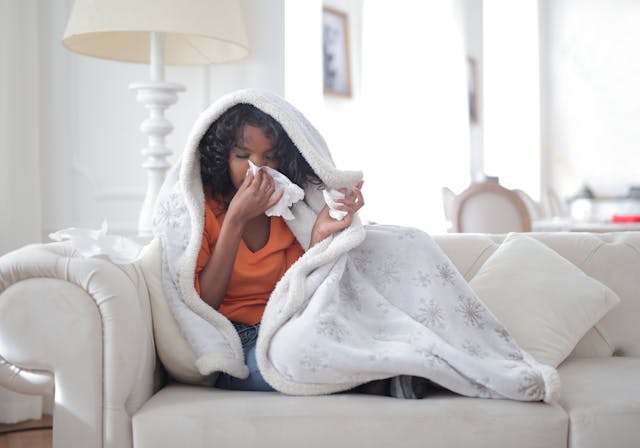
Photo by Andrea Piacquadio:
