
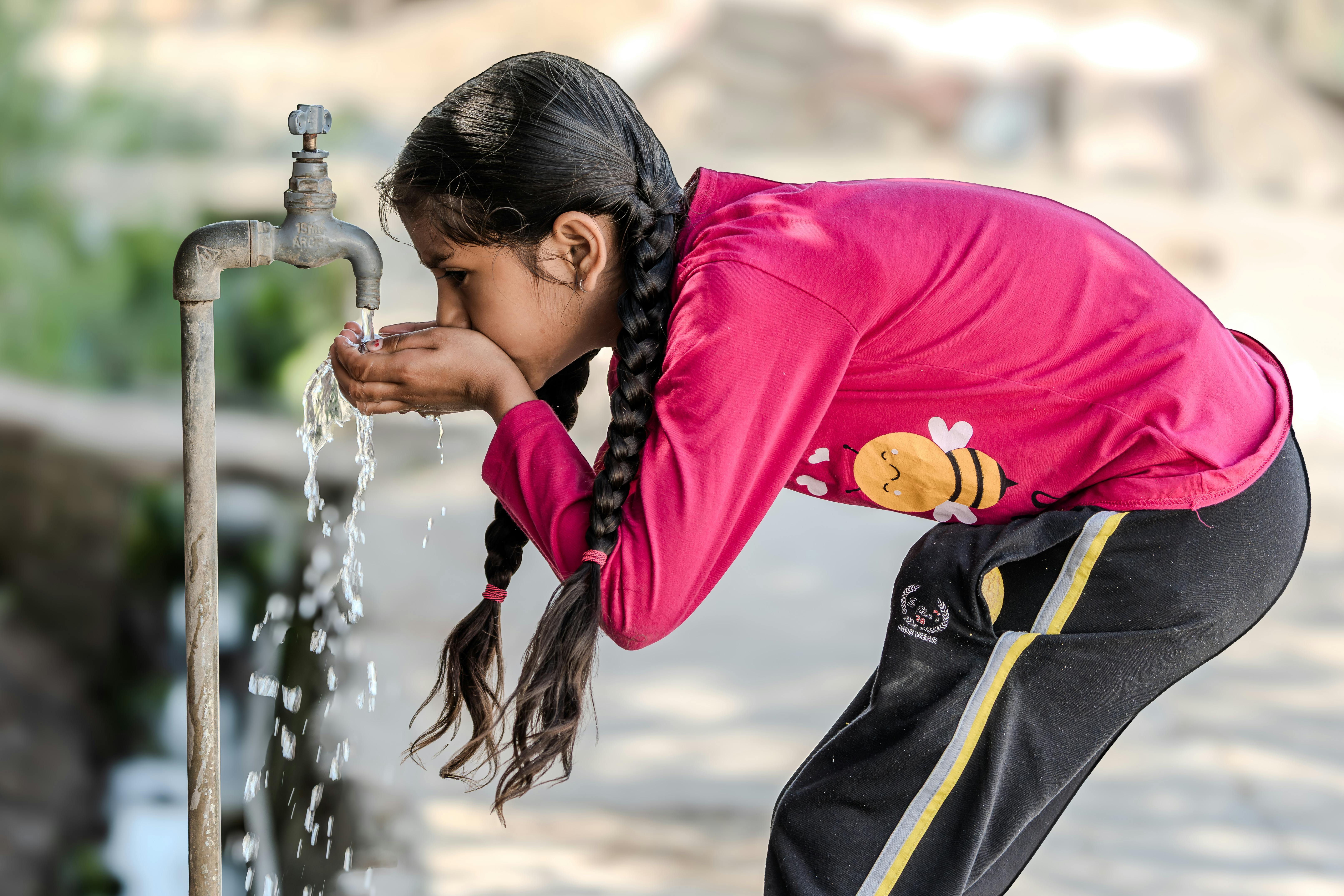
Access to safe drinking water remains one of India’s most pressing challenges, affecting the health, livelihoods, and development of millions. Freshwater is essential not only for basic sustenance but also for public health and economic growth. Despite its importance, an estimated 163 million Indians lack access to safe drinking water, while roughly 70% of the country’s surface water is polluted. These alarming figures underscore the urgency of addressing this crisis through effective policy, community engagement, and technological innovation.
Causes of Unsafe Drinking Water
India faces a severe shortage of safe drinking water due to multiple factors. Industrial discharge contaminates rivers and lakes, while poor sanitation, open defecation, and aging water infrastructure further limit access to clean water. Excessive groundwater extraction and climate change, which alters rainfall patterns and worsens droughts, add to the crisis, disproportionately affecting rural and impoverished communities.
To tackle this, initiatives like drinking water testing in Bhubaneswar play a crucial role in detecting contaminants and ensuring safe water supply. Strengthening water distribution systems, improving sanitation, and adopting local testing and purification measures are essential to protect public health and provide equitable access to safe drinking water across India.
Health Implications
Unsafe drinking water poses serious health risks, both immediate and long-term. Contaminated sources facilitate the spread of waterborne diseases such as cholera, dysentery, and diarrhea, disproportionately affecting children, the elderly, and immunocompromised individuals. Long-term exposure to pollutants can lead to chronic conditions, including kidney disease, liver disorders, and neurological problems. Chemicals in water may also impact child development, affecting cognitive and physical growth.
Addressing water safety through improved infrastructure, public awareness, and access to filtration systems is critical to reducing disease incidence and promoting public health.
Economic Consequences
Water scarcity extends beyond health concerns, impacting agriculture, industry, and overall economic development. Agriculture, which employs a large portion of India’s workforce, suffers when water is insufficient for irrigation, reducing crop yields and increasing food insecurity. Industries reliant on water face operational challenges, higher costs, and potential job losses.
Additionally, the prevalence of waterborne diseases places a burden on healthcare systems and reduces productivity, creating a cycle of economic strain. Without action, these economic consequences could continue to hinder sustainable development and exacerbate social inequality.
Government Initiatives
Recognizing the gravity of the crisis, the Indian government has implemented several initiatives to improve water access and quality. Programs such as the National Rural Drinking Water Programme (NRDWP), Atal Mission for Rejuvenation and Urban Transformation (AMRUT), and Jal Jeevan Mission aim to provide safe drinking water to rural and urban households, while promoting community participation and sustainable infrastructure.
Legislative measures, including the Water (Prevention and Control of Pollution) Act, 1974, regulate water contamination and monitor quality, reflecting a multifaceted approach that combines policy, infrastructure development, and community engagement.
Role of NGOs and Community Solutions
Non-governmental organizations and local initiatives are vital in bridging gaps left by public programs. Community-led filtration systems and awareness campaigns educate residents on sanitation, water conservation, and safe usage practices. Success stories, such as rainwater harvesting projects in Maharashtra and mobile water-testing labs in urban areas, demonstrate the effectiveness of grassroots approaches in improving access to safe water and reducing disease incidence.
Technology and Innovation
Technological solutions, including reverse osmosis, UV sterilization, and advanced filtration systems, have become increasingly important in providing safe water. Startups and digital monitoring tools help track water quality in real-time, enabling timely interventions. Rainwater harvesting and localized purification systems also supplement traditional sources and contribute to long-term sustainability.
Global Comparisons
India’s challenges are mirrored globally, from Nigeria’s industrial contamination to Bangladesh’s arsenic crisis. Lessons from these countries emphasize community engagement, public education, infrastructure investment, and regulatory oversight. Developed nations like the United States highlight the importance of stringent quality standards and modern water systems, providing models India can adapt to improve safety and accessibility.
Conclusion
Unsafe drinking water represents a critical public health and development challenge in India. It disproportionately affects marginalized communities, threatens health, and hampers economic growth. Addressing this crisis requires coordinated efforts from government, NGOs, private sector, and citizens alike.
Investment in water infrastructure, public education campaigns, and sustainable community-led initiatives is essential. Advocating for safe water policies, supporting local purification projects, and promoting awareness can help secure clean drinking water for all. Ensuring access to safe water is not only a matter of public health it is a fundamental step toward equitable development and a healthier future for India.
