
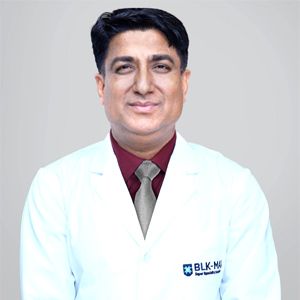
 Guwahati: A bone marrow transplant may cure disease, but recovery rarely ends with discharge. The weeks that follow bring fatigue, caution, and an unfamiliar quiet. Survivors often describe a mix of relief and unease grateful for a second chance, yet uncertain about the road ahead. Healing after transplant isn’t just physical; it’s about restoring confidence in one’s body, reconnecting with others, and finding rhythm in a life that has been on pause says Dr. Dharma Choudhary, Vice Chairman - Haemato Oncology & BMT, BLK-Max Super Speciality Hospital, Delhi.
The Recovery Journey
The early phase of recovery can feel like walking through fog each day slightly better, but never easy. Fatigue, sleep disturbance, loss of appetite, and emotional swings are part of the body’s gradual reset. Many patients experience mood changes or anxiety about relapse, often worsened by isolation and the sudden shift from constant medical attention to home care. With time, physical stamina improves, and so does mental steadiness. Gentle exercise, balanced nutrition, and ongoing check-ups help make recovery less overwhelming. For most, this period marks the quiet rebuilding of both health and hope.
Living Beyond the Cure
The long-term effects of a transplant extend beyond the hospital stay. While most survivors regain strength, some live with treatment-related complications that surface years later hormonal changes, diabetes, bone pain, or cataracts among them. These reminders of therapy can be frustrating, yet manageable with routine care and awareness. Fertility and intimacy are also areas that deserve honest discussion, as treatments can affect hormones and sexual health. Acknowledging these concerns early helps prevent emotional distress and strengthens the sense of normalcy that recovery depends on. Life after BMT, in that sense, is not about returning to the past but adapting to a new, resilient version of oneself.
Recovery and Rehabilitation in India
In India, structured rehabilitation remains one of the most overlooked aspects of post-transplant care. Many survivors navigate recovery without guided physical therapy or psychosocial support, relying instead on family or community networks. This absence of systematic rehabilitation delays physical recovery and adds emotional strain. Cost and access continue to be the biggest hurdles, especially for families in smaller towns. Simple, affordable rehabilitation programs combining physical activity, counselling, and long-term follow-up could make a profound difference in helping survivors live not just longer, but better.
Hope and Renewal
Life after a bone marrow transplant is not defined by statistics but by stories of resilience. Anxiety, fear, and emotional fatigue are common companions in the early months, yet most patients eventually rediscover confidence in their bodies and joy in their routines. Counselling, social connection, and family involvement play powerful roles in this renewal. Recovery is a layered journey that heals the body, steadies the mind, and restores the quiet courage to live fully again. Its success is measured not only in survival, but in the courage to trust life again, and to live it fully.