
Mumbai/Kolkata, 14th May 2026: What began as a severe chest infection soon spiralled into a life-threatening medical emergency, pushing a 60-year-old woman from Kolkata to the brink of multi-organ collapse. Battling Systemic Lupus Erythematosus (SLE), a chronic autoimmune condition in which the body’s immune system attacks its own tissues and organs, the patient had been on prolonged steroid therapy that significantly weakened her immunity over the years. The compromised immune state eventually led to a rapidly progressing Pneumonia and Acute Respiratory Distress Syndrome (ARDS), a critical condition in which the lungs fail to deliver adequate oxygen to the body. As her respiratory failure worsened, doctors at Manipal Hospital Broadway had to initiate advanced ECMO (Extracorporeal Membrane Oxygenation) support - a highly specialized life-saving intervention reserved for the most critical cases. The complex case was managed through a coordinated multidisciplinary effort led by Dr. Susruta Bandyopadhyay, Head of Department – ICU & Critical Care, Dr. Ashok Verma, HOD – Cardiac Anaesthesia & Cardiac Critical Care, and Dr. Shambhu Vishal, Consultant – Internal Medicine, all from Manipal Hospital, Broadway.
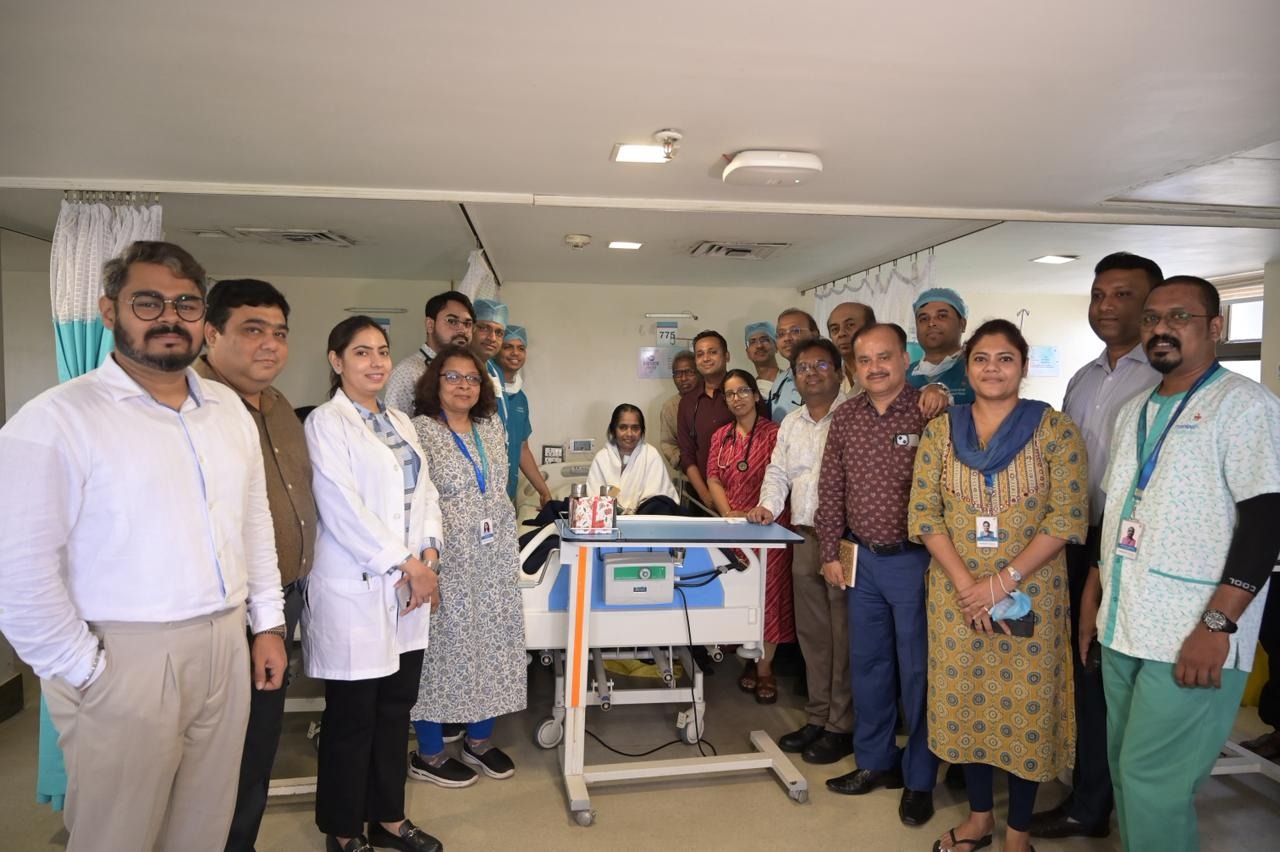
The patient was rushed to the emergency department in an extremely unstable condition, presenting with persistent high fever, acute breathing distress, severe upper abdominal pain, and an alarming episode of coughing up blood. On arrival, she was found to be in circulatory shock a dangerous medical state where critically low blood pressure compromises blood flow to vital organs. Recognising the gravity of the situation, the critical care team immediately initiated emergency medications to stabilise her blood pressure while simultaneously providing advanced respiratory support. Despite aggressive treatment, her condition deteriorated rapidly over the next few hours. She was initially managed with non-invasive respiratory assistance, but worsening oxygen levels soon necessitated invasive ventilator support. Even advanced interventions such as prone ventilation where patients are positioned on their stomach to improve oxygenation failed to produce the desired response. As her lungs continued to collapse under severe inflammation, the medical team conducted an urgent multidisciplinary evaluation and counselled the family regarding the extremely high-risk nature of her condition before proceeding with Veno-Venous ECMO support. ECMO, often considered the final line of support in severe respiratory failure, temporarily takes over the function of the lungs by circulating blood outside the body through an artificial lung that adds oxygen and removes carbon dioxide before returning it back to the patient. This allows the damaged lungs crucial time to rest and recover. The patient remained on ECMO support for nearly two weeks, during which the team maintained ultra-protective ventilator settings to prevent further lung injury while continuing intensive monitoring, targeted antibiotics, and comprehensive critical care management round the clock.
Speaking on the case, Dr. Susruta Bandopadhyay said, “The patient had reached a stage where even maximum ventilator support was failing to maintain oxygen levels. It was a race against time. ECMO gave us a crucial window to allow the lungs to rest and recover while we continued aggressive treatment for the infection. Managing such a critically ill patient required constant monitoring, rapid decision-making, and seamless coordination among multiple departments. Seeing her recover and return home safely was truly rewarding for the entire team.”
Dr. Ashok Verma stated, “ECMO is one of the most advanced forms of life support used in patients with severe lung failure when conventional treatment no longer works. In this case, managing the patient was extremely challenging because of severe inflammation, unstable blood pressure, recurrent infections, anaemia, and the constant risk of both bleeding and clotting during ECMO support. Maintaining the right balance of anticoagulation while ensuring adequate oxygenation is required, continuous monitoring and precision-driven care. The patient also underwent a tracheostomy to facilitate prolonged ventilator support more safely and comfortably. The successful recovery reflects the strength of multidisciplinary teamwork, timely intervention, and advanced critical care support available at our hospital.”
Dr. Shambhu Vishal added, “The patient came to us in a very critical condition with severe breathing difficulty and serious infection. Her existing health condition and reduced immunity made the treatment even more challenging. Despite intensive treatment and ventilator support, her condition continued to worsen, following which VV ECMO support was started as a life-saving measure. With continuous monitoring, dedicated critical care support, and coordinated teamwork, the patient gradually recovered and was eventually discharged in a stable condition without any external support. This outcome reflects the resilience of the patient and the dedicated, coordinated efforts of our entire medical team.”