
Weight loss may be the most noticeable outcome of bariatric surgery, but for many patients, it is far from the biggest victory. Behind every kilogram lost is often a person who no longer struggles with uncontrolled diabetes, a woman whose PCOS symptoms have started improving after years of frustration, or someone who finally feels more energetic after overcoming obesity-related health complications. Today, bariatric surgery is changing lives in ways that extend well beyond the weighing scale.
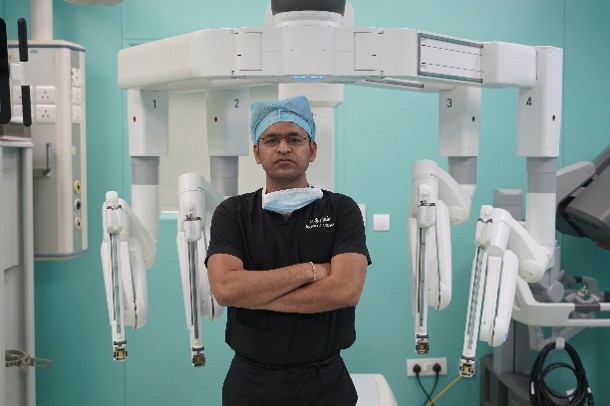
With over 22 years of experience in Bariatric, Metabolic, and Advanced Laparoscopic Surgery, Dr Ajay Yadav has helped countless patients reclaim their health by treating obesity as a chronic metabolic disease rather than simply a weight problem." Dr. Yadav believes that the conversation around bariatric surgery needs to shift from cosmetic outcomes to its life-changing health benefits.
"Many people come to us hoping to lose weight, but what truly changes their lives is the improvement they see in health conditions they have been battling for years," says Dr. Ajay Yadav. "Obesity disrupts the body's metabolism, hormones, and organ function. When we address the root cause, multiple health issues often begin to improve together. That's why bariatric surgery today is recognised as metabolic surgery and not simply a weight-loss procedure."
This shift is also changing how doctors view obesity itself. Rather than considering it simply a lifestyle issue, obesity is now recognised as a chronic metabolic disease that affects nearly every organ in the body. It increases the risk of type 2 diabetes, hormonal disorders, infertility, sleep apnea, heart disease, fatty liver disease, and several other long-term health concerns. As a result, treating obesity has become an essential step in improving overall health rather than focusing only on body weight.
Among the conditions that respond remarkably well is type 2 diabetes. Studies have shown that bariatric surgery can significantly improve blood sugar control, with many patients experiencing positive changes within weeks of surgery. The procedure not only supports long-term weight loss but also alters hormones that regulate insulin and glucose metabolism. For eligible patients, this can reduce the need for diabetes medications and, in some cases, lead to long-term remission under medical supervision.
"Many patients notice improvements in their blood sugar levels much sooner than they expect," says Dr. Yadav. "While every patient's journey is different, metabolic surgery improves the way the body regulates insulin, making diabetes management significantly easier for eligible individuals."
The benefits are equally significant for women living with Polycystic Ovary Syndrome (PCOS). Excess weight often worsens the hormonal imbalance associated with PCOS, leading to irregular menstrual cycles, infertility, acne, excessive facial hair, and insulin resistance. While medications help manage symptoms, sustained weight loss achieved through bariatric surgery can improve hormonal balance, restore ovulation, and enhance fertility. Many women also report improved confidence and a better quality of life as their symptoms gradually reduce.
According to Dr Yadav, many women seek consultation after years of struggling with weight gain, irregular periods, and fertility concerns. "When obesity contributes to PCOS, treating it can improve hormonal balance and reproductive health alongside appropriate medical care", he explains.
Addressing another common misconception, Dr Ajay Yadav explains that bariatric surgery is not a treatment for thyroid diseases such as hypothyroidism, nor does it replace thyroid medication. However, obesity frequently aggravates thyroid-related health challenges by increasing fatigue, limiting mobility, worsening joint pain, and contributing to other metabolic complications. Weight reduction after surgery may improve overall energy levels, mobility, sleep quality, and metabolic health in eligible patients. While bariatric surgery does not treat hypothyroidism or replace thyroid medication, improving obesity-related health can make overall health management easier alongside appropriate thyroid treatment.
Medical experts also emphasise that bariatric surgery is not a cosmetic procedure or a quick fix. It is a scientifically proven treatment recommended only after careful evaluation of a patient's Body Mass Index (BMI), existing medical conditions, previous weight-loss efforts, and overall health. Long-term success depends on a combination of surgery, healthy eating habits, physical activity, regular follow-ups, and ongoing lifestyle modifications.
"The surgery is only one part of the journey," says Dr Ajay Yadav. "Our goal is to improve long-term metabolic health, reduce disease risk, and help patients enjoy a healthier quality of life."