
Good posture plays a crucial role in a child’s overall growth, health, and development. It refers to the correct alignment of the body while sitting, standing, or moving. During childhood, when bones and muscles are still developing, maintaining proper posture is especially important. It not only supports physical health but also influences confidence, focus, and long-term well-being.
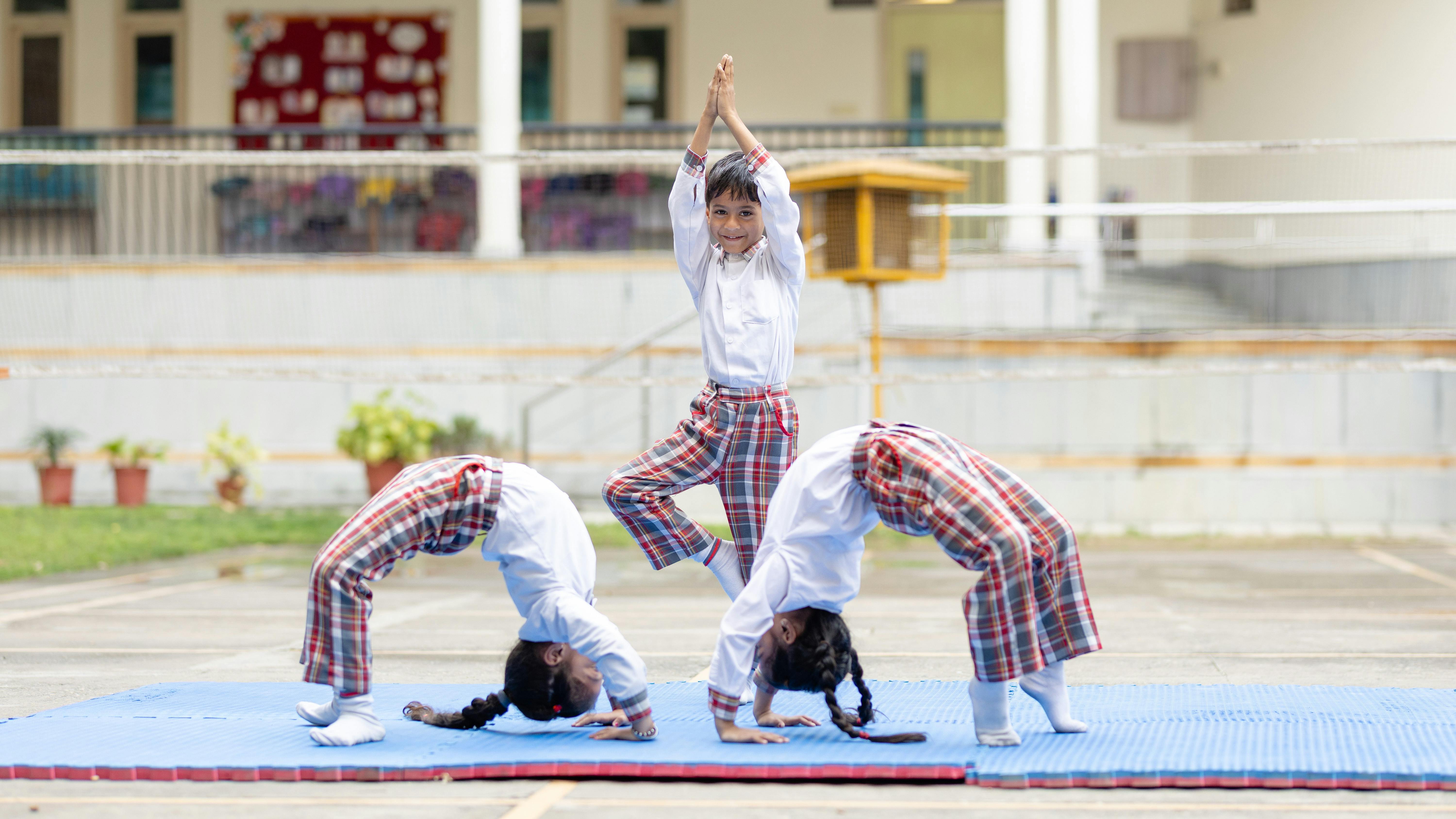
In recent years, poor posture among children has become increasingly common due to changes in lifestyle, especially rising screen time and reduced physical activity. If not corrected early, posture issues can continue into adulthood and lead to long-term health complications.
Understanding Good Posture
Good posture means keeping the body in a balanced position where the spine maintains its natural curves with minimal strain on muscles and ligaments. In this alignment, the head, shoulders, spine, and hips remain properly positioned.
Healthy posture helps the body function efficiently. It improves breathing, supports digestion, enhances concentration, and reduces unnecessary stress on joints and muscles. For growing children, it also supports proper physical development and builds confidence.
Common Posture Problems in Children
Many children develop posture-related issues due to long sitting hours and improper habits. Some of the most common problems include:
- Slouching: Rounded back and drooping shoulders, often caused by prolonged sitting or screen use
- Rounded shoulders: Shoulders pushed forward due to poor sitting habits
- Forward head posture: Head positioned too far forward while using phones, tablets, or books
These issues may seem minor at first but can gradually become habitual and lead to discomfort and long-term spinal misalignment.
Causes of Poor Posture
Several factors contribute to posture problems in children:
- Excessive screen time: Long use of smartphones, tablets, and computers encourages slouching
- Lack of physical activity: Weak core and back muscles increase risk of poor alignment
- Improper furniture: Desks and chairs that are not suited to a child’s height can affect sitting posture
- Poor habits: Leaning forward while studying or watching screens
- Genetic factors: Some children may naturally have weaker muscle tone or skeletal issues
Together, these factors gradually affect body alignment and posture development.
Effects of Poor Posture
Poor posture can impact children in multiple ways:
Physical Effects:
- Back, neck, and shoulder pain
- Muscle stiffness and fatigue
- Increased risk of spinal issues such as curvature disorders
Psychological and Academic Effects:
- Reduced confidence and self-esteem
- Difficulty concentrating in studies
- Lower participation in social and classroom activities
Good posture, on the other hand, supports better focus, energy levels, and emotional well-being.
How to Prevent Posture Problems
Preventing posture issues early is important for long-term health. Some effective steps include:
- Encouraging daily physical activities like sports, dancing, or outdoor play
- Limiting screen time and promoting regular breaks
- Teaching children about proper sitting and standing posture
- Setting up ergonomic study spaces with correct chair and desk height
- Encouraging stretching during long study or screen sessions
Small daily habits can make a big difference in preventing posture-related problems.
Exercises to Improve Posture
Simple exercises can strengthen muscles and improve alignment:
- Plank: Builds core strength and supports spine stability
- Wall sit: Strengthens legs and back muscles
- Bird-dog: Improves balance and coordination
- Bridge exercise: Strengthens lower back and glutes
These exercises should be done regularly and with proper guidance to avoid strain or injury.
Role of Schools and Parents
Schools and parents play an important role in developing healthy posture habits in children.
Schools can:
- Introduce posture awareness programs
- Provide ergonomic furniture in classrooms
- Include physical activities like yoga and stretching in daily routines
Parents can:
- Monitor screen time and study posture at home
- Encourage outdoor play and exercise
- Create supportive and ergonomic home study setups
Joint efforts help children develop lifelong healthy habits.
Conclusion
Good posture is essential for a child’s physical, mental, and emotional development. With increasing digital exposure and sedentary lifestyles, posture problems are becoming more common, but they are also preventable.
By encouraging physical activity, maintaining proper ergonomics, and building awareness early, parents and educators can help children develop strong posture habits. These small steps today can ensure better health, confidence, and well-being in the future.
