
Anxiety in children is common but often misunderstood. Mild anxiety is a natural part of development and can even act as a protective response. However, when anxiety becomes excessive or interferes with daily life, it may indicate a deeper concern that needs attention. Studies suggest that around 7% of children aged 3 to 17 experience anxiety disorders. Triggers can include life changes, social pressures, or academic expectations. Recognizing the difference between normal worries and serious anxiety is the first step in providing proper support.
Common Symptoms of Childhood Anxiety
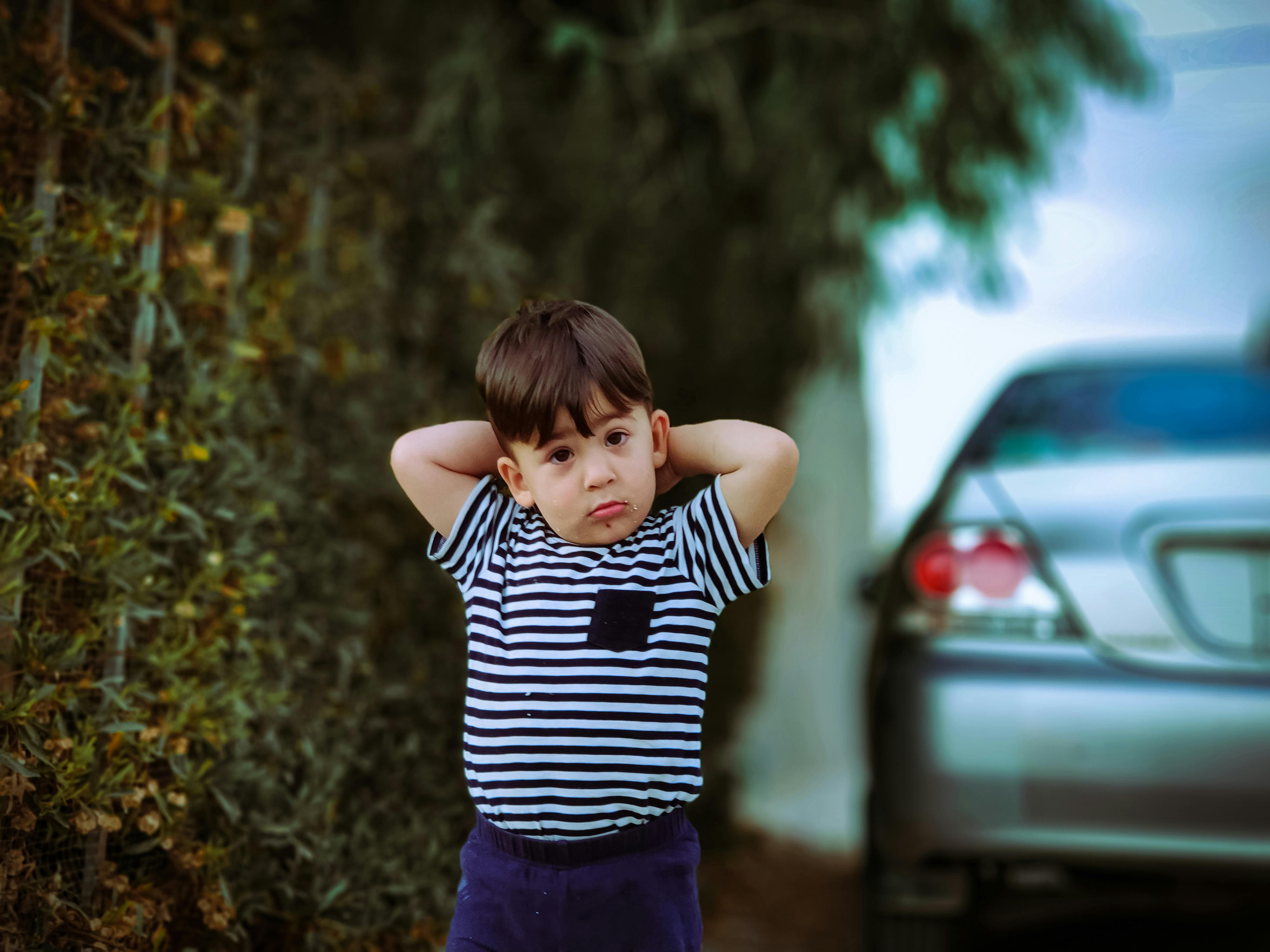
Childhood anxiety can appear in emotional, behavioral, and physical forms. Children may experience constant worry, fear, or nervousness about everyday situations. Behavioral signs include avoiding social activities, school, or unfamiliar environments. Physical symptoms such as stomachaches, headaches, or fatigue are also common, often without a clear medical cause. Recognizing these symptoms early helps parents address anxiety before it affects a child’s daily life.
The Impact on Child Development
Anxiety can affect a child’s social, academic, and emotional growth. Socially, anxious children may struggle to build friendships or participate in group activities. Academically, anxiety can reduce focus and performance, leading to a cycle of stress and poor results. Emotionally, it may cause irritability, mood swings, or low confidence. If left untreated, childhood anxiety can continue into adulthood, making early intervention essential.
Anxiety Across Different Age Groups
Anxiety presents differently at each stage of childhood. Toddlers may show clinginess, tantrums, or sleep issues. School-aged children often experience fear of school, avoidance, or difficulty concentrating. Teenagers may show withdrawal, self-doubt, or declining academic performance. Understanding age-specific signs helps parents provide the right support at the right time.
Environmental Factors and Anxiety
A child’s environment plays a significant role in shaping anxiety. Family dynamics, such as conflict or lack of emotional support, can increase stress levels. School environments with high pressure or bullying can also contribute to anxiety. Additionally, societal expectations and social media exposure may create unrealistic comparisons, leading to feelings of inadequacy. A supportive and stable environment can help reduce these risks.
When to Seek Professional Help
It is important to know when anxiety requires professional attention. Persistent worry, avoidance of daily activities, physical complaints without medical cause, or sudden behavioral changes are key warning signs. Panic attacks, extreme fear, or withdrawal from social interactions should not be ignored. Seeking help early can improve outcomes and support a child’s mental well-being.
Effective Strategies for Parents
Parents play a crucial role in managing childhood anxiety. Open communication helps children feel safe expressing their emotions. Creating a structured routine provides stability and reduces uncertainty. Teaching coping strategies such as relaxation techniques, journaling, or physical activity can help children manage stress. Parents should also model calm and healthy behavior, as children often learn through observation.
Coping Techniques for Children
Simple coping techniques can help children manage anxiety effectively. Mindfulness practices encourage them to focus on the present moment, reducing worry. Breathing exercises, such as slow and deep breathing, help calm the body. Creative activities like drawing, music, or storytelling allow children to express their emotions in a healthy way. These techniques build resilience and emotional strength over time.
Support and Resources for Families
There are many resources available to support families dealing with childhood anxiety. Books, educational websites, and support groups can provide valuable guidance. Professional counseling and therapy can also offer structured support for children and parents. Community programs and parent groups create a space to share experiences and learn from others facing similar challenges.
Conclusion
Childhood anxiety is a real and manageable condition when recognized early. By understanding symptoms, creating a supportive environment, and using effective coping strategies, parents can help children navigate their emotions confidently. With the right support and resources, children can develop resilience and lead healthy, balanced lives.
