
Heart disease in women often develops quietly, without the dramatic chest pain commonly associated with heart attacks in men. Many women experience subtle symptoms that stretch over weeks or even months, making it easy to dismiss them as stress, fatigue, or aging.
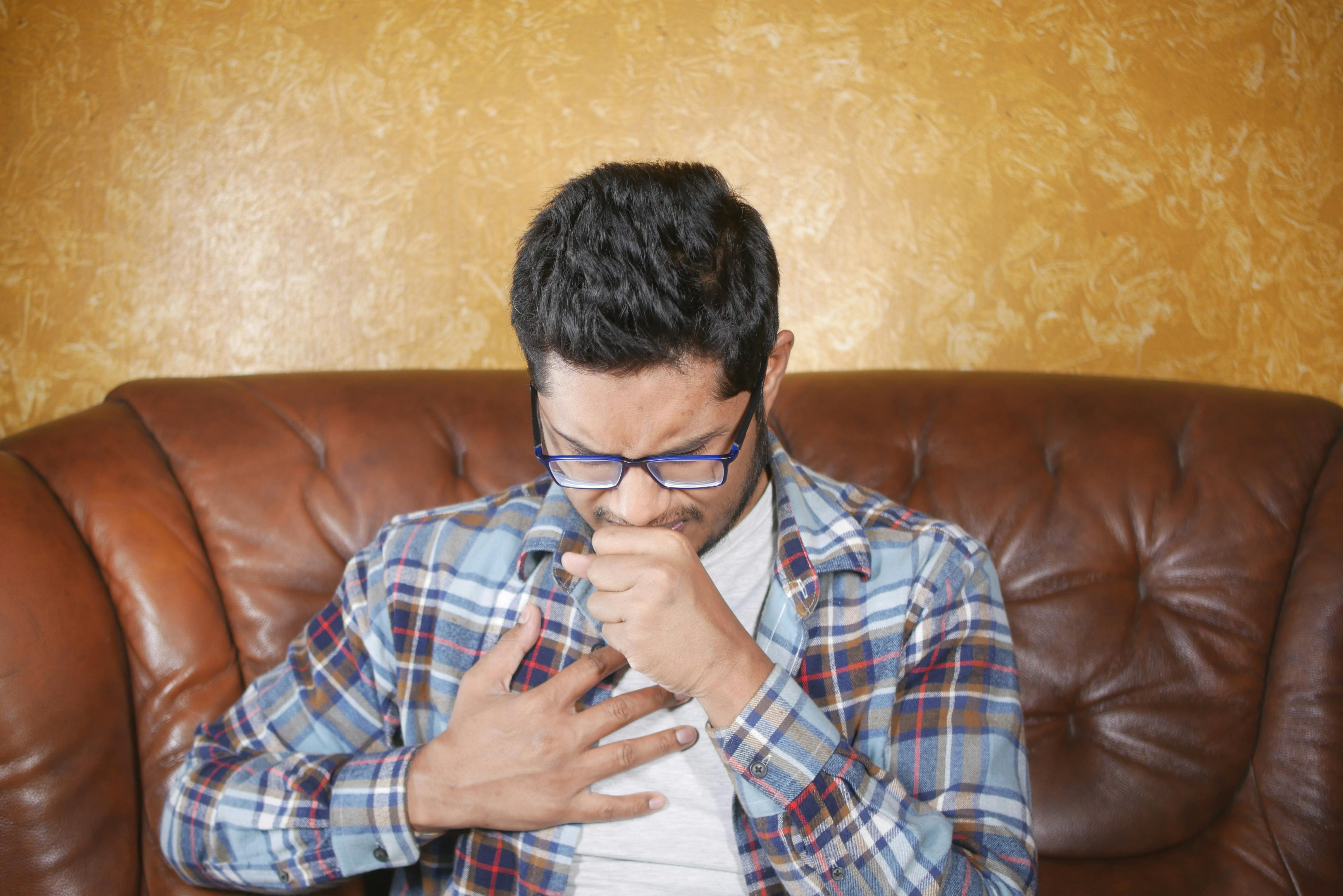
For those living with conditions such as PCOS, diabetes, thyroid disorders, or navigating menopause, distinguishing early heart disease signs from everyday health changes can be even more challenging. Fatigue may feel hormonal, breathlessness can be mistaken for weight gain, and disrupted sleep seems normal. Unfortunately, these early warning signs often go unnoticed until significant damage occurs.
Why Heart Disease Symptoms Differ in Women
Biology partly explains the difference. Women are more likely to develop heart disease in the smaller blood vessels, while men more commonly experience blockages in larger arteries. This type of small-vessel disease may not show up clearly on standard tests. Hormonal changes, particularly after menopause, also affect blood vessel behavior and inflammation, altering symptom patterns.
Social factors also play a role. Women often normalize discomfort, continue working through exhaustion, and delay medical appointments. When symptoms are vague, they may not receive urgent attention, creating a gap in recognition rather than pain tolerance.
Common Early Signs of Heart Disease in Women
Symptoms often appear gradually and may only be recognized in hindsight.
1. Unusual fatigue
This is not ordinary tiredness. Feeling drained upon waking or struggling with daily tasks that once felt easy may indicate early heart strain.
2. Shortness of breath
Breathlessness while talking, lying down, or performing light activities can signal early heart disease. Some may even wake at night needing to sit up to breathe comfortably.
3. Digestive issues
Nausea, bloating, or persistent indigestion can mask underlying heart problems. These symptoms often go unrecognized for weeks.
4. Jaw, neck, shoulder, or upper back pain
Discomfort may appear away from the chest. Dull aches in the jaw, stiffness in the upper back, or shoulder pain without injury often precede more obvious heart symptoms.
5. Sleep disturbances
Difficulty falling asleep, waking frequently, or feeling unrested despite adequate rest may appear months before a cardiac event.
6. Anxiety or unusual unease
A persistent feeling that something is “off” can be an early warning sign, separate from everyday stress.
7. Lightheadedness or dizziness
Repeated episodes of faintness or dizziness may indicate reduced blood flow and warrant prompt evaluation.
How Heart Disease Symptoms Present Differently in Men
Men tend to present with more recognizable signs:
- Chest pain: intense and sudden
- Left arm pain: radiating discomfort
- Cold sweats: sudden, without exertion
Risk Factors
Certain conditions increase cardiovascular risk in women:
- PCOS: insulin resistance and inflammation
- Diabetes: higher risk than in men
- Thyroid disorders: affect heart rhythm and cholesterol
- Menopause: changes in blood vessel function and fat distribution
Chronic stress, poor sleep, and caregiving responsibilities further compound risk.
When to See a Cardiologist
Waiting for classic chest pain can be dangerous. Medical evaluation is recommended if symptoms persist, worsen, or occur in combination, such as:
- Fatigue with breathlessness
- Sleep problems with dizziness
- Digestive discomfort with back or jaw pain
Family history and intuition matter. Many people sense a problem long before tests confirm it.
Why Early Attention Matters
Heart disease develops slowly. Small-vessel damage, inflammation, and reduced oxygen supply gradually weaken the heart. Delayed recognition can make recovery harder and outcomes poorer. Addressing symptoms early significantly improves long-term prognosis.
Conclusion
Early signs of heart disease in women may feel ordinary—but their subtlety masks serious risk. New, persistent, or unusual symptoms deserve attention. Recognizing these signs early protects the heart and preserves quality of life.
Proactive attention, medical evaluation, and healthy lifestyle changes can help detect heart disease sooner and improve long-term outcomes.
