
Handwashing is a simple yet essential practice that plays a vital role in maintaining personal hygiene and preventing the spread of infectious diseases. By thoroughly cleansing hands with soap and water, individuals can eliminate harmful pathogens such as bacteria and viruses, reducing the risk of illness. Public health authorities, including the Centers for Disease Control and Prevention (CDC), emphasize that proper hand hygiene is one of the most effective tools for safeguarding health.
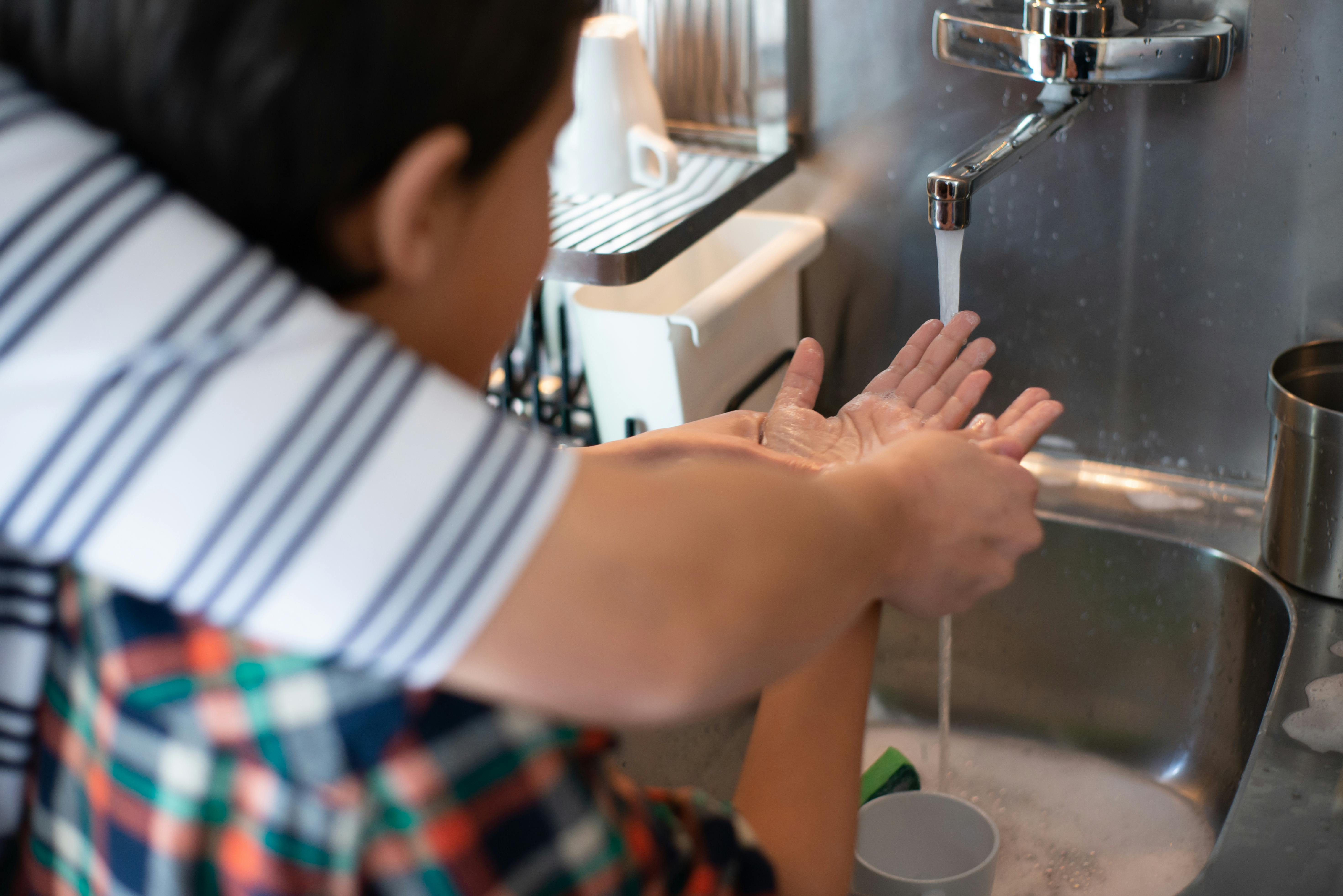
Why Handwashing Matters for Children
Children are particularly vulnerable to infections due to their developing immune systems and frequent contact with surfaces, toys, and other children. Teaching children proper handwashing techniques from an early age helps establish lifelong habits that significantly lower the incidence of common illnesses, such as colds, flu, and gastrointestinal infections. Effective hand hygiene in children not only promotes personal well-being but also protects their families, classmates, and communities from the spread of disease.
Understanding Germs
Germs are microscopic organisms, including bacteria, viruses, fungi, and protozoa, that exist everywhere—from the air we breathe to everyday surfaces. While many germs are harmless, some can cause infections, particularly in young children. Germs spread through direct contact with infected individuals, contaminated objects, or food and water. Settings like schools and daycare centers, where children gather in close proximity, can increase the risk of transmission.
Educating children about germs and how they spread helps them understand why handwashing is essential. When children grasp the connection between germs and illness, they are more likely to follow proper hygiene practices consistently.
How Handwashing Supports Health
Handwashing is a key public health measure that reduces the risk of numerous infectious diseases. According to the CDC, washing hands with soap and water can lower the risk of respiratory infections by up to 21%. Similarly, hand hygiene has been shown to reduce gastrointestinal illnesses and school absenteeism due to illness. The World Health Organization (WHO) highlights handwashing as a cost-effective strategy to prevent disease outbreaks, making it a cornerstone of public health interventions.
When and How to Wash Hands
Proper handwashing involves more than a quick rinse; it requires attention to detail and timing. Key moments to wash hands include:
- After using the bathroom
- Before meals
- After playing outdoors
- After coughing or sneezing
- Before and after handling food
- After being in crowded places
Effective handwashing steps are:
- Wet hands under clean, running water.
- Apply soap to cover all surfaces of the hands.
- Lather and scrub thoroughly for at least 20 seconds, including the backs of hands, between fingers, and under nails.
- Rinse hands under running water to remove soap and germs.
- Dry hands completely using a clean towel or air dryer.
Teaching children these steps helps them understand the importance of hygiene and reduces the spread of infections.
Engaging Methods to Teach Handwashing
Making handwashing fun and interactive encourages children to adopt consistent hygiene habits. Creative approaches include:
- Songs and rhymes: Singing a 20-second handwashing song using familiar melodies, like “Twinkle, Twinkle, Little Star,” helps children wash long enough.
- Art and visuals: Children can create posters illustrating handwashing steps, reinforcing the concept through creativity.
- Games and activities: Interactive games, such as “Simon Says” with handwashing instructions, make learning enjoyable.
- Technology: Educational videos or apps featuring animated characters demonstrate proper techniques in a fun way.
By turning handwashing into an enjoyable routine, children are more likely to engage in it consistently.
Integrating Handwashing into Daily Routines
Consistency is crucial in forming lifelong habits. Parents and educators can encourage routine handwashing by:
- Associating handwashing with specific daily events (before meals, after outdoor play).
- Using songs, colorful soap, or fun towels to make the process enjoyable.
- Discussing the role of germs and hygiene in health.
- Displaying visual reminders in bathrooms and classrooms.
Regular practice helps children internalize handwashing as a normal and necessary part of life.
Overcoming Challenges and Resistance
Children may resist handwashing due to a lack of understanding, perceived inconvenience, or forgetfulness. Strategies to overcome these barriers include:
- Demonstrating germs using glitter or glow-in-the-dark gel.
- Turning the process into a game or singing songs to match the recommended 20 seconds.
- Providing praise and positive reinforcement for proper handwashing.
- Establishing consistent handwashing routines that become part of daily activities.
Through patience and creativity, caregivers can help children develop proper hygiene habits despite initial resistance.
The Role of Schools and Communities
Schools and communities play a vital role in reinforcing handwashing habits. Educational institutions can:
- Integrate hand hygiene into the curriculum.
- Partner with local health organizations for training and resources.
- Conduct health screenings and ensure access to soap and clean water.
Community involvement through workshops, public health campaigns, and parent engagement further supports the adoption of proper hygiene practices. Together, schools and communities can cultivate a culture of cleanliness and health awareness.
Conclusion: Building Lifelong Health Habits
Teaching children proper handwashing techniques establishes a foundation for lifelong health. Consistent hand hygiene prevents the spread of infections, promotes personal well-being, and encourages children to take responsibility for their health. By combining education, creativity, and routine, caregivers can instill habits that last well into adulthood. Ultimately, handwashing is not just a daily task—it is a crucial life skill that safeguards health and fosters a culture of wellness for generations to come.
