
Water is life, but its safety and quality are under constant threat from pollution, climate change, and emerging contaminants. Ensuring clean water requires regular testing a critical step for protecting public health, supporting agriculture, and maintaining safe industrial practices. By analyzing chemical, biological, and physical properties, water testing identifies risks and provides actionable insights to safeguard communities and ecosystems.
The Importance of Safe Drinking Water
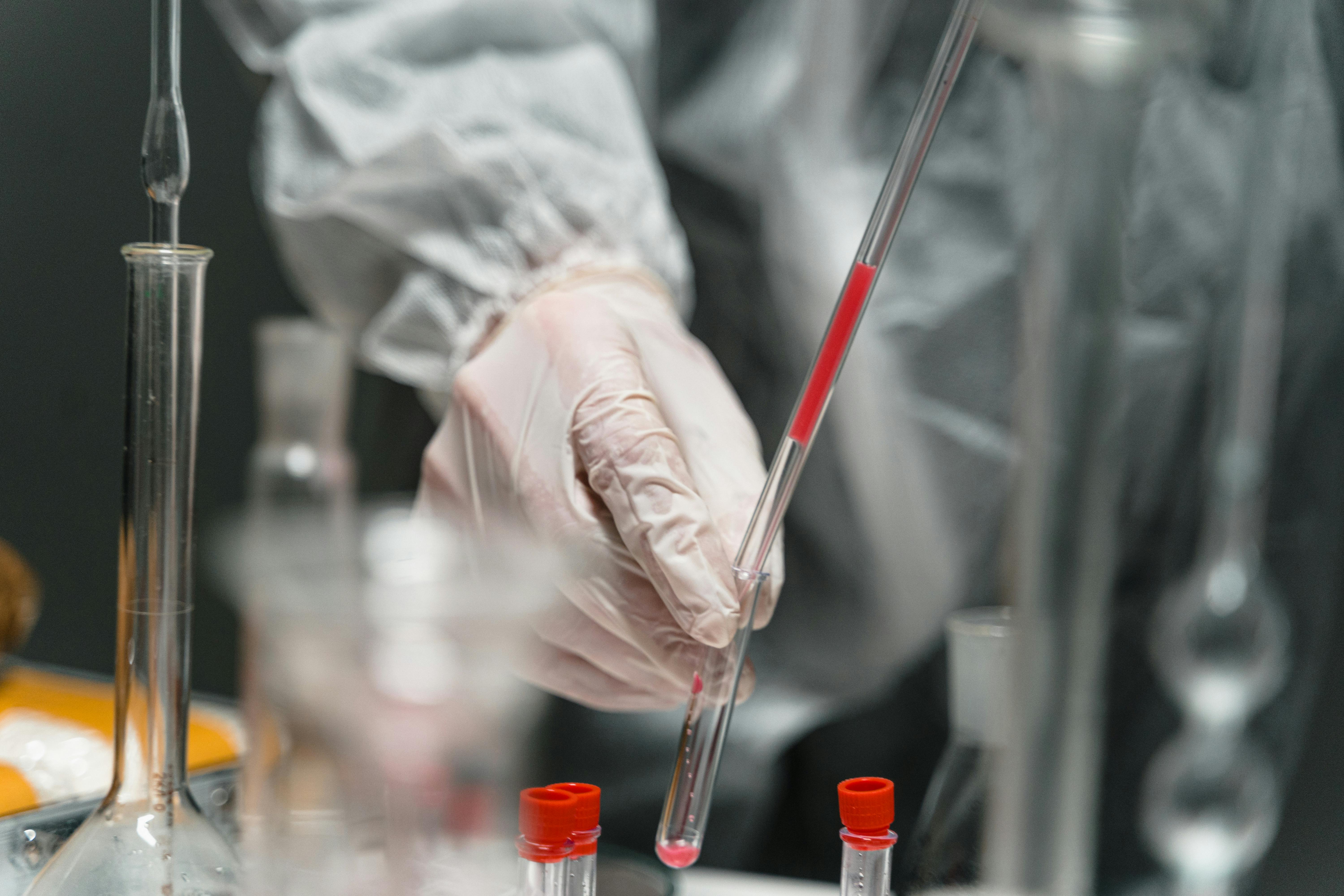
Access to clean drinking water is essential for health and well-being. Contaminated water can cause serious illnesses, including gastrointestinal diseases, reproductive problems, and neurological disorders. The World Health Organization estimates that unsafe water contributes to nearly 500,000 diarrheal deaths each year. Routine water testing, including services provided by a water testing lab in Bhubaneswar, protects communities from harmful bacteria, heavy metals, and pesticides, preventing health risks and economic losses. The Flint, Michigan water crisis serves as a stark reminder of the consequences of neglected water quality.
Emerging Threats in Water: Pharmaceuticals, Microplastics, and Chemicals
Modern water sources face new threats beyond traditional pollutants. Pharmaceuticals, personal care products, and microplastics are increasingly detected in water systems. Pharmaceuticals like antibiotics and hormones persist in waterways despite treatment, while synthetic chemicals from cosmetics and sunscreens can accumulate in aquatic environments. Microplastics, tiny particles from plastics and synthetic fabrics, enter the food chain and pose long-term risks to humans and wildlife. Addressing these contaminants is crucial for protecting both health and the environment.
How Water is Tested
Several methods are used to monitor water quality:
- Laboratory Testing: Highly accurate, analyzing chemicals, microbes, and metals. While precise, results can take days.
- At-Home Kits: Quick and convenient for testing pH, chlorine, and bacterial levels, though less comprehensive than lab tests.
- Digital & Smart Devices: Real-time sensors and IoT-enabled systems offer instant insights but can be costly.
Choosing the right method ensures reliable monitoring and safer water for everyone.
Regulatory Standards
Water safety is enforced through strict regulations. In the U.S., the Environmental Protection Agency’s Safe Drinking Water Act sets maximum contaminant levels and requires regular testing. Globally, the World Health Organization provides guidelines for safe drinking water. Compliance ensures safe water supplies and empowers communities to demand accountability from providers.
Water Testing in Agriculture and Industry
In agriculture, water quality affects crop health and yield. Contaminated irrigation water can introduce pathogens and pollutants, threatening food safety. Industrial processes rely on clean water for cooling, processing, and cleaning; contaminants can harm machinery, products, and workers. Regular testing protects health, ensures compliance, and supports sustainable practices.
Innovations in Water Testing
Advances in technology have revolutionized water testing. Portable devices, real-time monitoring systems, and smartphone-integrated kits allow fast, on-site analysis. IoT sensors provide continuous data, while cloud platforms offer comprehensive insights. Eco-friendly testing solutions reduce environmental impact, making water management more efficient, accurate, and sustainable.
Community Awareness and Action
Public involvement is key to water safety. Local groups can organize testing initiatives, educate residents, and collaborate with authorities. Social media campaigns and advocacy efforts raise awareness, creating pressure for higher safety standards. Active community participation ensures accountability and promotes clean water for all.
Conclusion
With pollution, climate change, and new contaminants threatening water sources, regular testing is more important than ever. Governments, industries, and communities must collaborate, using technology and education to safeguard water quality. By staying proactive, we can protect public health, support sustainable development, and ensure clean water for generations to come.
