
In modern society, fast food has become a pervasive part of daily life. Urbanization, busy schedules, and the demand for convenience have made quick-service meals an attractive choice for millions. The appeal of fast food lies in its speed, affordability, and widespread availability, allowing people to meet their nutritional needs without disrupting demanding routines. However, while these meals offer practical solutions for hectic lifestyles, they often come with hidden costs to health, including high levels of calories, saturated fats, sugars, and sodium. This creates a tension between convenience and nutritional well-being, prompting the need for smarter food choices.
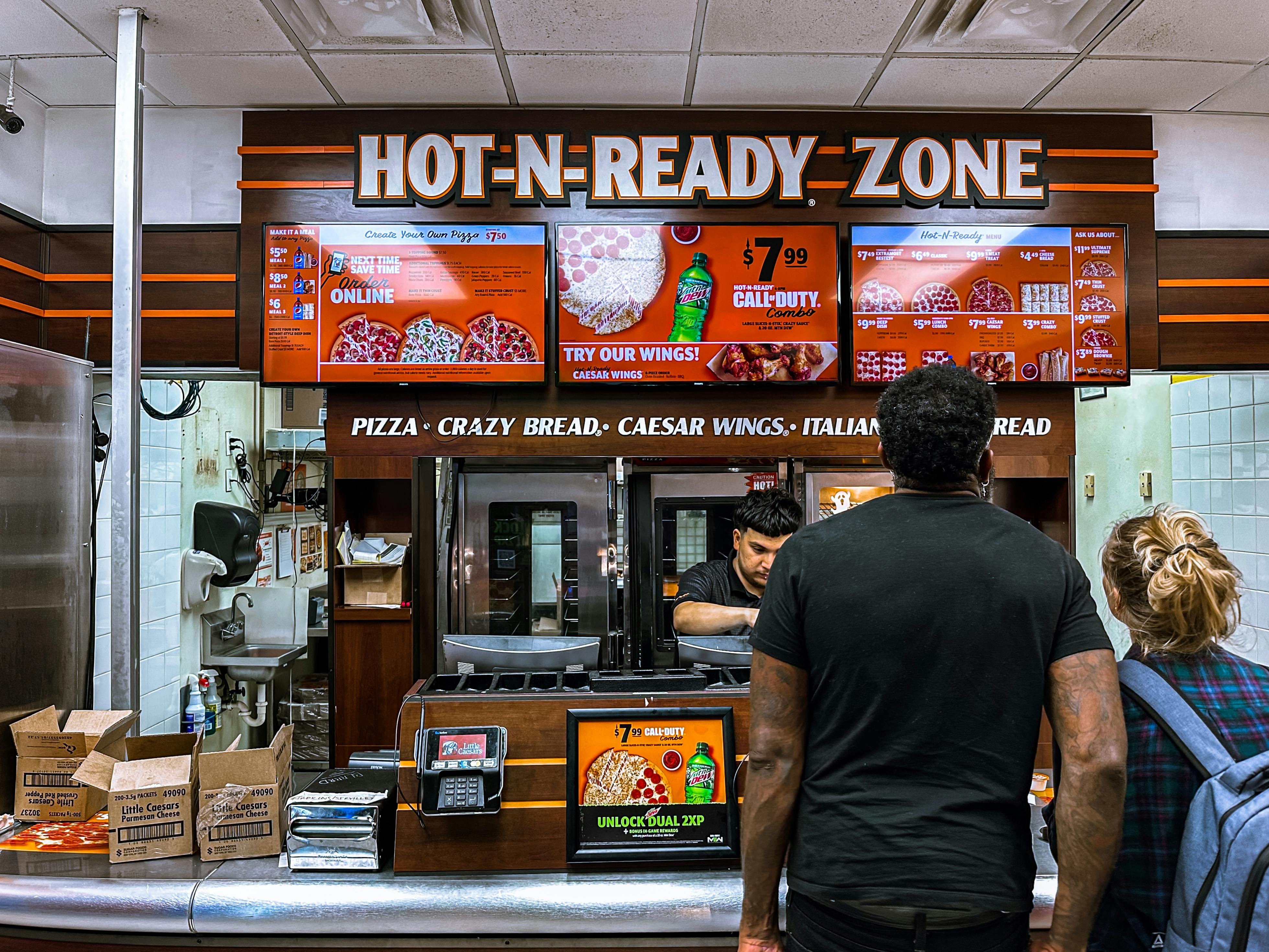
Understanding Fast Food Nutrition
Awareness of nutritional content is key to making healthier decisions in a fast-food-dominated world. Many fast-food items are heavily processed, often reducing their natural nutritional value. Fried foods, sugary beverages, and large portions are high in calories and low in essential nutrients, whereas options like grilled chicken, salads, and whole-grain wraps provide more balanced alternatives. Reading nutrition labels carefully—examining calorie counts, macronutrients, and serving sizes—enables consumers to select items that support long-term health. Choosing lower-calorie, high-fiber foods and monitoring portion sizes can significantly reduce risks associated with frequent fast-food consumption.
Health Risks Associated with Fast Food
Frequent fast-food consumption has been linked to serious health concerns. Regular intake of high-calorie, high-fat, and high-sugar meals contributes to obesity, cardiovascular disease, type 2 diabetes, and metabolic syndrome. Research indicates that eating fast food more than twice a week increases the likelihood of obesity by nearly 50% and elevates the risk of heart disease and diabetes. High glycemic loads from these meals spike insulin levels and exacerbate health risks. Understanding these long-term consequences highlights the importance of moderation and conscious decision-making when relying on fast food for convenience.
Strategies for Healthier Fast-Food Choices
Despite these risks, individuals can make healthier selections without sacrificing convenience. Opting for grilled rather than fried items, choosing smaller portion sizes, and incorporating vegetables into meals are practical strategies. Many fast-food chains now offer salads, grain bowls, and wraps, providing more nutritious alternatives. Selecting lighter dressings, substituting fries for fruit or side salads, and choosing water or unsweetened beverages can further reduce calorie and fat intake. With thoughtful choices, fast food can be enjoyed occasionally while maintaining a balanced diet.
The Role of Convenience in Eating Habits
Convenience drives modern dietary decisions. Busy schedules, work commitments, and family responsibilities often leave little time for meal preparation, making fast food a tempting option. Marketing campaigns reinforce this convenience, positioning quick meals as essential solutions for time-strapped individuals. Social dynamics also play a role: fast food is often consumed as a shared, social experience, which can overshadow health considerations. Understanding this balance between lifestyle demands and dietary choices is critical for developing a sustainable approach to eating.
Alternatives to Fast Food
For those seeking convenience without compromising health, alternatives exist. Meal prepping allows individuals to prepare nutritious meals ahead of time, ensuring portion control and variety throughout the week. Nutritious delivery services provide ready-to-eat meals made from fresh, wholesome ingredients, combining convenience with balanced nutrition. Healthier snack options, such as nuts, yogurt, or fruit, also support better dietary habits when on the go. These strategies demonstrate that busy lifestyles do not necessitate sacrificing nutrition for speed.
Achieving Balance
Maintaining a balance between fast food and healthy eating requires moderation, planning, and informed choices. Occasional indulgence in fast food is acceptable if paired with awareness of nutritional content and portion control. Incorporating diverse foods, including fruits, vegetables, whole grains, and lean proteins, ensures that overall dietary needs are met. Education about nutrition and conscious decision-making empower consumers to enjoy fast food without undermining long-term health goals.
Real-Life Success Stories
Numerous individuals and families have successfully integrated healthier eating into busy routines. The Jones family, for example, dedicates time on Sundays to meal prep, creating balanced meals for the week. Sarah, a single professional, uses a slow cooker to prepare nutritious dinners despite her hectic work schedule. These examples highlight that planning and intentional choices make it possible to enjoy convenience while prioritizing nutrition.
Embracing a Healthier Fast-Food Future
A healthier fast-food future depends on the collective efforts of consumers, businesses, and policymakers. Consumers can drive change by seeking nutritious options and supporting restaurants that offer wholesome alternatives. Fast-food chains are increasingly responding with grilled items, salads, and plant-based meals. Policymakers can encourage transparency in nutritional information, advocate for healthier menu options, and promote food literacy initiatives. By harmonizing convenience with nutrition, it is possible to maintain a fast-paced lifestyle without compromising health.
Conclusion
Fast food is unlikely to disappear in our fast-moving society, but healthier choices are attainable with awareness and planning. Moderation, portion control, and informed decision-making allow individuals to enjoy the benefits of convenience while safeguarding long-term health. By prioritizing nutrition alongside lifestyle demands, embracing alternatives, and supporting healthier industry practices, consumers can navigate the fast-food landscape responsibly and cultivate a sustainable approach to eating well in a busy world.
