
International Women’s Health Day, observed annually on May 28, highlights the urgent need to prioritize women’s health as a global public health concern. The day draws attention to the unique medical, social, and psychological challenges faced by women worldwide while emphasizing the importance of gender-sensitive healthcare systems. It serves as a platform to encourage governments, organizations, and communities to strengthen healthcare access and promote awareness around women’s well-being.
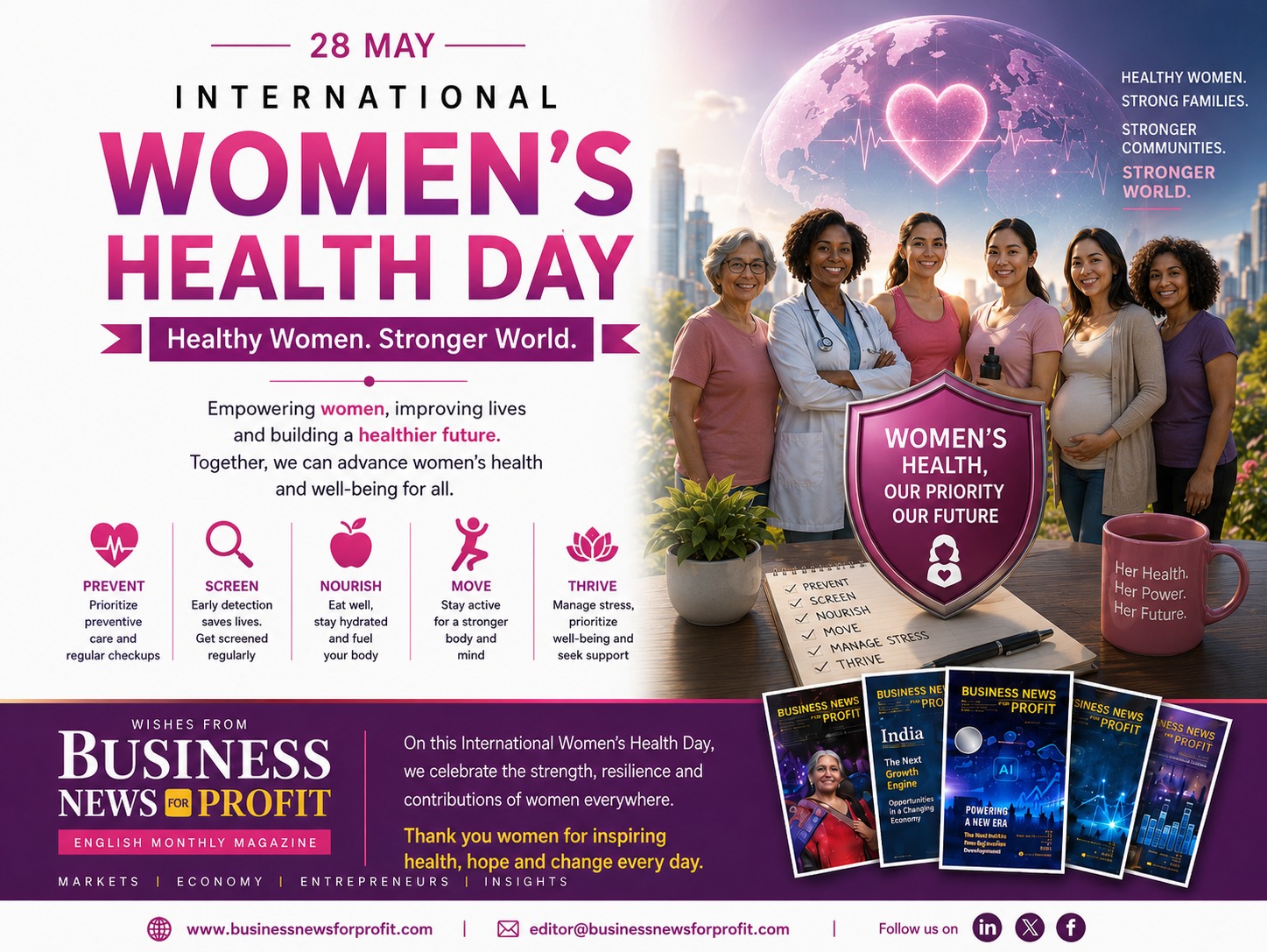
Each year, the observance focuses on evolving themes such as reproductive rights, maternal health, mental health, and chronic diseases, ensuring that current health challenges affecting women remain central to global discussions. It also reinforces the need for equal access to healthcare services, education, and preventive care across all regions.
Current Global Scenario of Women’s Health
Despite progress in healthcare systems, women continue to face significant disparities in health outcomes across the world. Conditions such as cardiovascular diseases, diabetes, cancers, and maternal complications remain leading concerns. According to global health reports, preventable maternal deaths still occur at alarming rates, particularly in low-income regions where access to skilled healthcare is limited.
Mental health is another growing concern, with rising cases of depression, anxiety, and stress-related disorders among women. These challenges are often intensified by gender-based violence, caregiving burdens, and social inequalities. Additionally, rural and marginalized populations continue to struggle with limited access to quality healthcare services, highlighting deep-rooted inequities in global health systems.
Importance of Health Education and Empowerment
Health education plays a vital role in empowering women to make informed decisions about their well-being. Awareness about reproductive health, nutrition, preventive screenings, and mental health helps women take proactive steps toward better health outcomes.
Understanding reproductive health topics such as menstruation, fertility, contraception, and menopause allows women to manage their bodies with confidence. Similarly, education about preventive healthcare enables early detection of diseases like cancer, diabetes, and hypertension, significantly improving survival and recovery rates.
Nutrition and mental health awareness further strengthen overall well-being, ensuring that women are equipped to handle physical and emotional challenges across different life stages.
Advocacy and the Role of Women Leaders
Women leaders and advocates have played a transformative role in advancing global health awareness. Figures such as Dr. Gro Harlem Brundtland, Dr. Joycelyn Elders, and Malala Yousafzai have contributed significantly to shaping discussions around health equity, education, and women’s rights.
Their work highlights the importance of inclusive policies, comprehensive education, and access to healthcare services. Through advocacy and leadership, they have helped bring women’s health issues to the forefront of global policy agendas.
Innovation and Technology in Women’s Healthcare
Recent advancements in healthcare technology have significantly improved access and treatment for women. Telemedicine has made it easier for women, especially in remote areas, to consult healthcare professionals without physical barriers.
Wearable devices and mobile health applications now allow women to track menstrual cycles, pregnancy health, and hormonal changes more effectively. Artificial intelligence is also being used to predict diseases, improve diagnostics, and offer personalized healthcare recommendations.
These innovations are making healthcare more accessible, efficient, and personalized, leading to better health outcomes for women globally.
Cultural and Social Influences on Women’s Health
Cultural beliefs and practices significantly influence women’s health outcomes. While some traditions promote holistic well-being and community support, others may restrict access to healthcare or reinforce harmful practices such as early marriage and gender-based discrimination.
Addressing these challenges requires respectful dialogue, community engagement, and education. Promoting awareness and challenging harmful norms can help create environments where women’s health and rights are fully respected and protected.
Global Efforts and Policy Initiatives
International organizations such as the World Health Organization (WHO) and the United Nations Population Fund (UNFPA) are actively working to improve women’s health through policies, programs, and awareness campaigns.
Initiatives like “Every Woman Every Child” and the United Nations Sustainable Development Goals emphasize reducing maternal mortality, improving reproductive healthcare, and ensuring gender equality in health services. These global efforts aim to build stronger, more inclusive healthcare systems for women worldwide.
Community Support and Collective Responsibility
Family, friends, and community networks play a crucial role in supporting women’s health. Emotional encouragement, shared knowledge, and access to local health resources can significantly improve health outcomes.
Community-based programs, health camps, and awareness drives also help bridge gaps in healthcare access, particularly in underserved regions. A supportive environment encourages women to prioritize their health and seek timely medical care.
Conclusion
International Women’s Health Day is more than an observance—it is a global call to action. It reminds us that women’s health is essential to building stronger families, communities, and societies.
Improving women’s health requires collective effort from individuals, governments, and institutions. By promoting education, expanding healthcare access, and supporting inclusive policies, we can move closer to a world where every woman has the opportunity to live a healthy, empowered, and dignified life.