
Water is essential to life, yet its quality is often taken for granted. Clean-looking water is not always safe—its true quality depends on a range of physical, chemical, and biological factors. Poor water quality can affect not only hydration but also long-term health and overall well-being.
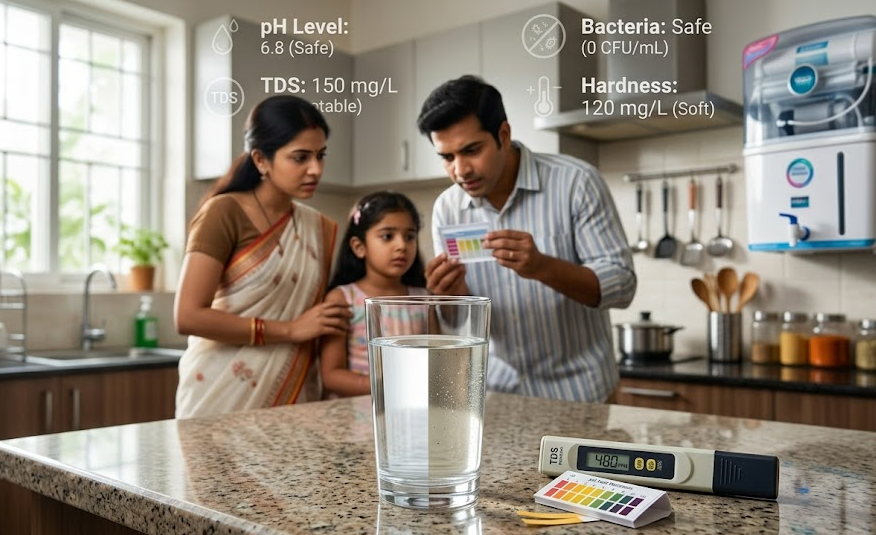
In India, ensuring safe drinking water is particularly complex. With diverse water sources, rapid urbanization, and environmental pressures, contamination remains a widespread concern. From industrial discharge to agricultural runoff and aging pipelines, multiple factors can compromise water safety. This makes it important for individuals to understand water quality and take an active role in monitoring it. For residents seeking to ensure the safety of their water, searching for water quality testing near me Bhubaneswar can help connect them with reliable local testing services and solutions.
Understanding Key Water Quality Parameters
To determine whether water is safe for consumption, several important parameters must be evaluated:
pH Balance
The pH level indicates whether water is acidic or alkaline. Drinking water is considered safe when the pH falls between 6.5 and 8.5. Outside this range, water may corrode pipes and release harmful metals.
Total Dissolved Solids (TDS)
TDS refers to the concentration of dissolved salts, minerals, and metals in water. A level below 500 mg/L is generally considered acceptable. High TDS can impact both taste and safety.
Microbial Presence
Bacteria, viruses, and parasites are among the most dangerous contaminants. Their presence often indicates sewage contamination and can lead to serious illnesses.
Heavy Metals
Toxic metals such as lead, arsenic, and mercury can enter water through industrial waste or corroded pipes. Long-term exposure, even in small amounts, can cause severe health problems.
Chemical Pollutants
Nitrates, pesticides, and other chemicals commonly enter water through agricultural activities. These substances can pose significant risks, especially for infants and vulnerable populations.
Major Sources of Water Contamination in India
Understanding where contamination originates can help in preventing it. Common sources include:
- Industrial Waste: Untreated effluents from factories pollute rivers and groundwater.
- Agricultural Runoff: Fertilizers and pesticides seep into water bodies, especially during rainfall.
- Sewage Leakage: Poor sanitation systems allow harmful microorganisms to enter drinking water.
- Old Infrastructure: Aging pipes can release metals like lead and copper.
- Natural Causes: Certain regions face contamination from naturally occurring substances like arsenic and fluoride.
Health Risks Linked to Contaminated Water
Unsafe drinking water can have both immediate and long-term health effects.
Waterborne Diseases
Contaminated water can transmit diseases such as cholera, dysentery, and typhoid, especially in areas with poor sanitation.
Chronic Health Issues
Long-term exposure to chemicals like arsenic, lead, and nitrates may lead to serious conditions, including cancer, neurological damage, and blood disorders.
Drinking Water Standards in India
Water quality in India is regulated by the Bureau of Indian Standards (BIS), which sets permissible limits for various contaminants under IS 10500 guidelines.
Government bodies at both central and state levels are responsible for monitoring and maintaining these standards. However, variations in infrastructure and local conditions mean that water quality can still differ significantly from one area to another.
Why You Should Test Water at Home
Relying solely on public water systems may not always be enough. Home water testing provides an added layer of safety by allowing you to:
- Detect hidden contaminants
- Monitor changes in water quality
- Take timely action before health issues arise
- Choose the right filtration method
Regular testing ensures that the water you consume meets safety standards.
Easy Methods to Test Drinking Water at Home
There are several simple and effective ways to check water quality:
Water Testing Kits
These kits can measure pH, TDS, hardness, chlorine, and microbial contamination. They are easy to use and provide quick results.
DIY Testing Tools
Basic tools like pH strips or chlorine test strips offer a quick indication of water quality.
Digital TDS Meters
These devices provide accurate readings of dissolved solids and are useful for routine monitoring.
What to Do If Your Water Is Unsafe
If your water test results indicate contamination, take immediate steps:
- Stop using the water for drinking and cooking
- Boil water to eliminate microbial contaminants
- Install appropriate filtration systems such as RO, UV, or activated carbon filters
- Inform local authorities for further investigation
Choosing the right solution depends on the type of contamination detected.
Final Thoughts
Safe drinking water is essential for a healthy life, yet it cannot always be taken for granted. While regulatory bodies establish standards and oversee supply systems, individuals also play a crucial role in ensuring water safety at home.
By understanding water quality parameters, recognizing contamination sources, and adopting regular testing practices, you can protect your household from potential health risks. Clean water is not just a basic need—it is a responsibility that requires awareness and action.
