
Getting rid of head lice requires a combination of killing live lice and physically removing nits (eggs) to prevent re-infestation. The process involves treating all household members with a lice-killing product (over-the-counter or prescription), followed by diligent combing, repeating the treatment to kill newly hatched lice, and washing personal items in hot water
Understanding Lice and Their Life Cycle
Lice pass through three stages: eggs (nits), nymphs, and adults. Female lice lay eggs close to the base of hair shafts. These eggs hatch into nymphs, which mature into adults within about a week. Adult lice live on the host for several weeks, but they die within a day if they fall off. The primary transmission occurs through direct head-to-head contact, which is why infestations are common among children. Lice can also spread via shared personal items, such as combs, hats, or bedding.
Common Signs of a Lice Infestation
Early detection is crucial to prevent the spread of lice. Symptoms and signs include:
- Persistent itching: Caused by an allergic reaction to lice bites.
- Visible lice or nits: Adult lice are about the size of a sesame seed, ranging in color from tan to gray-white. Nits are tiny, oval, and often attached near the scalp, especially behind the ears and at the nape of the neck.
- Scalp irritation: Redness, rashes, or sores may appear due to scratching.
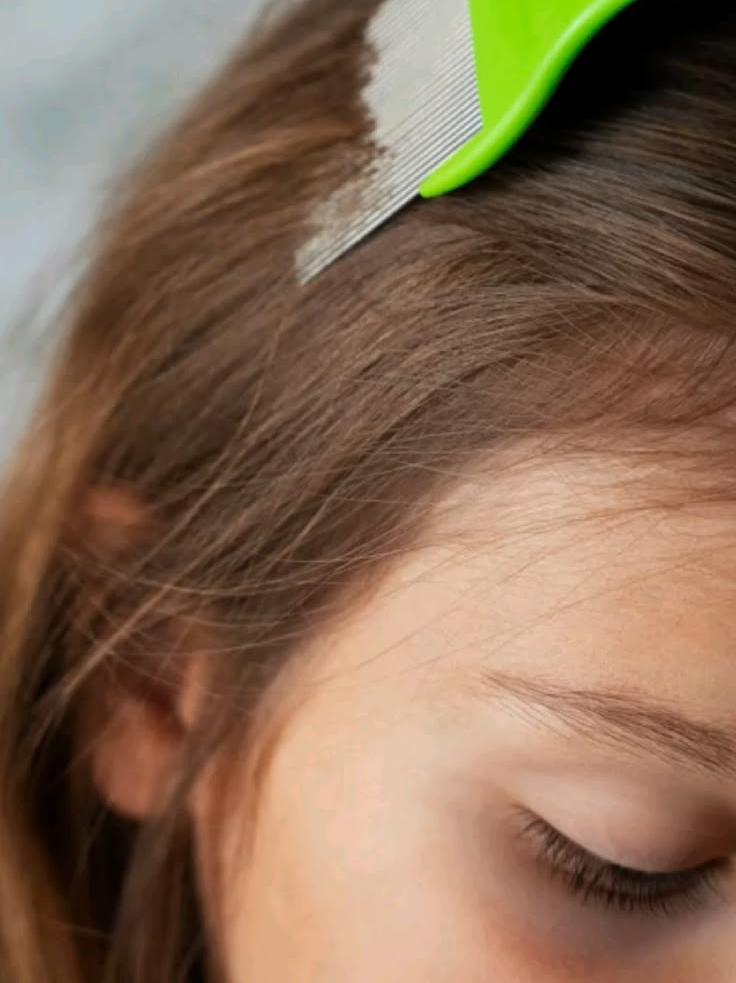
Regular inspection with a fine-toothed lice comb in a well-lit area ensures early detection.
Step-by-Step Process to Remove Lice
- Gather Supplies: You’ll need a fine-toothed lice comb, lice treatment shampoo or lotion, conditioner, towels, and optional natural remedies like essential oils.
- Prepare Hair: Apply conditioner to dry hair to make combing easier and help suffocate lice. Divide the hair into sections for systematic removal.
- Comb Thoroughly: Start at the scalp and comb to the ends, section by section. Focus on areas behind ears and at the nape of the neck. Wipe the comb after each pass.
- Apply Treatment: Use the chosen lice shampoo or lotion as per instructions. Rinse thoroughly after the recommended time. Repeat after 7–10 days to eliminate newly hatched lice.
- Clean Environment: Wash clothing, bed linens, hats, and towels in hot water. Vacuum carpets, rugs, and furniture. Treat all family members to prevent re-infestation.
Home Remedies for Lice
Some natural options may help, though results vary:
- Tea tree oil: Has insecticidal properties. Dilute with a carrier oil before applying.
- White vinegar: May loosen nits from hair shafts. Mix equal parts vinegar and water, apply, and comb out.
- Olive oil: Can suffocate lice when applied and covered with a shower cap for several hours, followed by thorough combing.
These methods are often helpful as supplements but may not fully eradicate lice on their own.
Medical Treatments for Lice
Over-the-counter and prescription treatments are highly effective:
- OTC shampoos or lotions: Contain permethrin or pyrethrin to kill lice.
- Prescription options: Medications like malathion or benzyl alcohol target resistant lice and may be recommended for persistent infestations.
Always follow instructions carefully and combine treatment with thorough combing.
Post-Removal Care
To prevent re-infestation:
- Check hair regularly for remaining lice or nits.
- Wash clothing, bed linens, and towels in hot water (above 130°F / 54°C).
- Vacuum carpets and furniture.
- Avoid sharing personal items like combs, hats, or hair accessories.
- Consider using preventive sprays or treatments to deter future lice.
Preventing Future Infestations
Prevention is easier than treatment:
- Avoid sharing personal items: Combs, hats, brushes, and hair accessories.
- Regular hair checks: Especially for school-aged children.
- Maintain hygiene in schools and daycares: Encourage inspections and educate staff and parents.
- Protective hairstyles: Tie up or braid long hair in crowded settings.
Myths and Facts About Lice
- Myth: Lice indicate poor hygiene. Fact: Anyone can get lice, clean or not.
- Myth: Pets can transmit lice. Fact: Human lice are species-specific and cannot live on animals.
- Myth: Lice infestations are shameful. Fact: Lice are common and can affect anyone regardless of cleanliness.
Education is key to reducing stigma and spreading awareness.
When to Seek Professional Help
Consult a doctor if:
- Lice persist despite OTC treatment.
- Severe allergic reactions occur (intense itching, swelling, or infection).
- You are unsure about treatment methods or their safety.
Professionals can provide stronger medications, guidance, and tailored advice for complete eradication.
Conclusion
Lice infestations are common but manageable. Early detection, systematic removal, and preventive measures are essential to keeping hair lice-free. Combining personal care, environmental cleaning, and education ensures effective treatment and long-term prevention.
