
High blood pressure, or hypertension, occurs when the force of blood against artery walls is consistently too high. Left unmanaged, it can lead to serious health problems, including heart disease, stroke, and kidney damage. Blood pressure readings are given as two numbers: systolic (pressure during heartbeats) over diastolic (pressure between beats). Normal levels are around 120/80 mmHg, while 130/80 mmHg or higher indicates hypertension.
Hypertension often develops silently, earning the nickname “the silent killer.” Many people show no symptoms until complications appear, though some may experience headaches, shortness of breath, or nosebleeds in severe cases.
Understanding the Causes
Hypertension is influenced by multiple factors:
- Genetics: A family history of high blood pressure increases risk.
- Lifestyle: Diets high in sodium, sedentary habits, smoking, and excessive alcohol consumption can raise blood pressure.
- Stress and sleep: Poor sleep and chronic stress can contribute to elevated readings.
Blood pressure is regulated by the heart, blood vessels, kidneys, and hormones like renin and aldosterone. Arterial resistance and blood volume also play a role, highlighting the need for a comprehensive approach to management.
The Power of a Low Sodium Diet
Sodium plays a key role in hypertension. Excess sodium causes the body to retain water, increasing blood volume and pressure. Experts recommend less than 2,300 mg per day, ideally 1,500 mg for those with high blood pressure.
You can reduce sodium without sacrificing flavor:
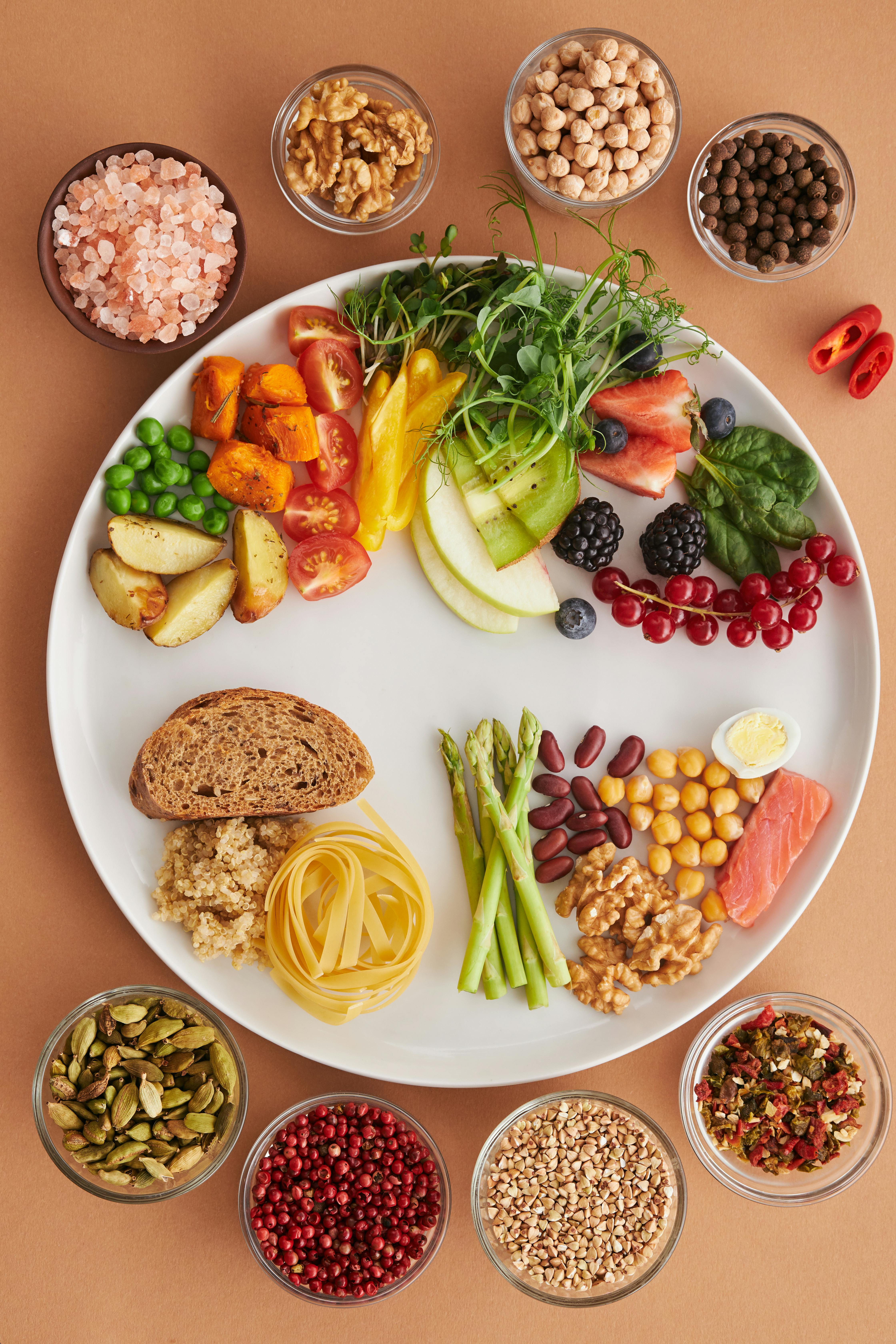
- Focus on fresh fruits, vegetables, and whole grains.
- Use herbs and spices instead of salt to enhance taste.
- Avoid processed foods, fast foods, and high-sodium condiments.
Reducing sodium not only lowers blood pressure but also improves overall heart health.
Identifying High-Sodium Foods
Many foods contain hidden sodium:
- Processed foods: Canned soups, deli meats, frozen meals.
- Restaurant meals: Pasta, pizza, and fast-food dishes.
- Snacks: Chips, pretzels, salted nuts.
- Condiments: Soy sauce, ketchup, salad dressings.
Reading labels, choosing low-sodium alternatives, and rinsing canned items can help manage intake effectively.
Simple Strategies to Cut Sodium
- Cook meals at home to control ingredients.
- Replace salt with garlic, cumin, paprika, and other spices.
- Choose fresh over processed foods whenever possible.
- Plan meals ahead to ensure low sodium daily intake.
Gradual adjustments are key to building lasting habits.
Boosting Blood Pressure Control with Healthy Foods
Eating a balanced diet strengthens heart health:
- Fruits: Bananas, berries, oranges provide potassium to balance sodium.
- Vegetables: Leafy greens like spinach and kale reduce hypertension.
- Whole grains: Brown rice, quinoa, and oats offer heart-friendly fiber.
- Lean proteins: Fish, chicken, and plant-based options support cardiovascular health.
- Healthy fats: Avocados, nuts, and olive oil reduce inflammation.
A diet rich in these foods, combined with a low-sodium approach, significantly improves blood pressure control.
Lifestyle Habits That Matter
- Exercise: At least 150 minutes of moderate activity weekly, plus resistance training.
- Stress management: Yoga, meditation, and deep breathing lower blood pressure.
- Weight management: Maintaining a healthy weight reduces strain on the heart.
- Avoid harmful habits: Quit smoking and limit alcohol.
These lifestyle changes amplify the benefits of a heart-healthy diet.
Monitoring and Professional Support
Regular blood pressure monitoring is crucial:
- Check readings twice daily.
- Use digital monitors for accuracy.
- Record readings to track progress and guide lifestyle adjustments.
Consult healthcare professionals for personalized guidance. Dietitians can provide meal planning, label-reading tips, and strategies for dining out. Ongoing follow-ups ensure sustainable hypertension management.
Making a Low Sodium Lifestyle Sustainable
- Set achievable goals: Gradually reduce sodium.
- Find support: Join communities or online groups for motivation.
- Track progress: Use a food diary or app to monitor intake.
- Celebrate small wins: Reward yourself for healthy habits.
- Accountability: Share goals with a friend or family member.
Consistency and support make long-term dietary changes manageable and rewarding.
Conclusion
High blood pressure doesn’t have to control your life. By adopting a low-sodium diet, incorporating healthy foods, maintaining an active lifestyle, and monitoring blood pressure, you can take charge of your heart health. Small, consistent changes today lead to long-term benefits, helping you live a healthier, more vibrant life. Start now—your heart will thank you.
