
When temperatures rise, your body works harder to stay cool primarily through sweating. This natural process leads to fluid loss, making hydration essential during the summer months. Water is not just for quenching thirst; it supports critical bodily functions such as regulating temperature, transporting nutrients, and flushing out toxins.
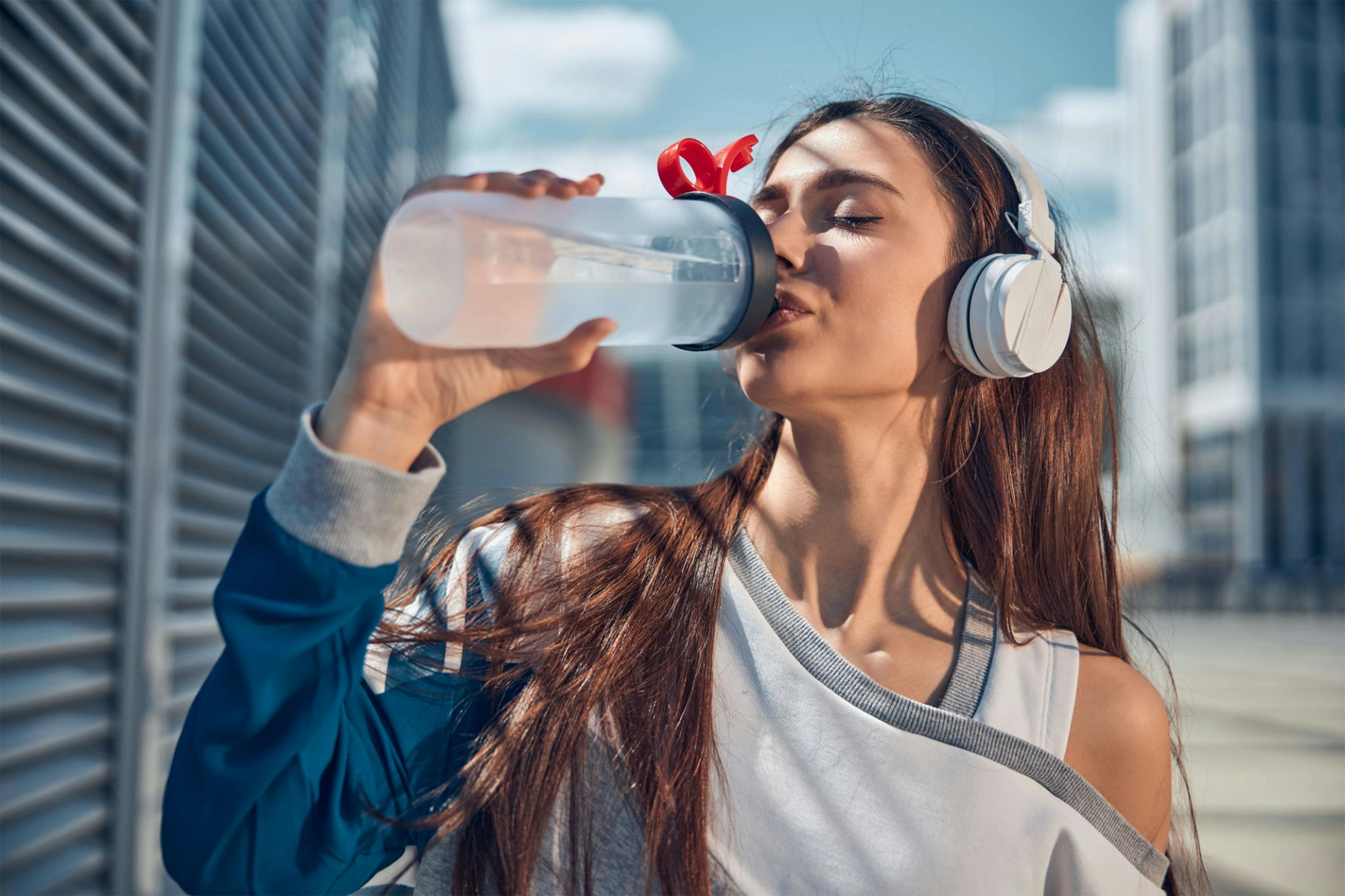
Even mild dehydration can affect both physical and mental performance. You may feel tired, weak, or less focused. For those who exercise or spend time outdoors, staying hydrated becomes even more important to maintain stamina and prevent heat-related issues.
Early Signs of Dehydration
Recognizing dehydration early can help prevent more serious complications. Watch for these common warning signs:
- Persistent thirst
- Dry mouth or lips
- Dark yellow urine or reduced urination
- Fatigue or dizziness
- Headaches
- Muscle cramps
In more severe cases, dehydration may cause confusion, irritability, rapid heartbeat, or difficulty concentrating. Addressing these symptoms quickly by increasing fluid intake is key.
How Much Water Do You Need?
There’s no one-size-fits-all answer, but general daily guidelines include:
- Women: ~2.7 liters (91 oz)
- Men: ~3.7 liters (125 oz)
These totals include fluids from both drinks and food. However, your needs may increase depending on:
- Physical activity level
- Climate and humidity
- Age and body size
- Health conditions
A simple rule: drink regularly throughout the day instead of waiting until you feel thirsty.
Smart Hydration Habits
Building consistent hydration habits can make a big difference:
- Start your day with a glass of water
- Drink before and after meals
- Carry a reusable water bottle
- Set reminders if needed
- Take small, frequent sips instead of large amounts at once
If plain water feels boring, try adding natural flavors like lemon, mint, or berries.
Hydrating Foods to Include in Your Diet
Fluids don’t only come from drinks—many foods are rich in water and help keep you hydrated.
Top hydrating foods:
- Watermelon (about 92% water)
- Cucumbers (around 95% water)
- Oranges
- Strawberries
- Lettuce
- Celery
- Bell peppers
Easy ways to include them:
- Add fruits to breakfast or smoothies
- Prepare fresh salads for lunch
- Snack on raw vegetables with dips
Why Electrolytes Are Important
Sweating doesn’t just reduce water levels—it also drains essential minerals called electrolytes, such as sodium and potassium. These help regulate fluid balance, nerve function, and muscle activity.
To replenish electrolytes naturally, include:
- Bananas
- Coconut water
- Leafy greens
- Yogurt
- Nuts and seeds
For intense physical activity, electrolyte-rich drinks can also be helpful.
Simple Hydrating Drink Ideas
Keeping hydration interesting can encourage you to drink more. Try these easy options:
1. Fruit-Infused Water
Add slices of lemon, cucumber, or berries with fresh herbs like mint to chilled water.
2. Berry Banana Smoothie
Blend banana, mixed berries, yogurt, and milk for a refreshing, nutrient-rich drink.
3. Natural Electrolyte Drink
Mix coconut water with a splash of lime juice and a pinch of salt for a quick rehydration boost.
Hydration Myths vs Facts
- Myth: You must drink exactly 8 glasses of water daily
Fact: Needs vary based on lifestyle and environment - Myth: Thirst is the best indicator
Fact: Thirst can be delayed—drink regularly - Myth: Only water counts
Fact: Foods and other beverages also contribute - Myth: Caffeine always dehydrates
Fact: Moderate intake does not significantly impact hydration
Staying Hydrated During Outdoor Activities
If you’re active outdoors, hydration requires extra attention:
Before activity:
Drink 1–2 glasses of water a few hours prior
During activity:
Take small sips every 15–20 minutes
After activity:
Replenish fluids and electrolytes with water and light snacks
Checking urine color can help—light yellow usually means you’re well hydrated.
Final Thoughts
Hydration is one of the simplest yet most powerful ways to stay healthy during summer. By drinking consistently, eating water-rich foods, and paying attention to your body’s signals, you can maintain energy, improve focus, and avoid heat-related issues.
