
Malaria remains one of the most persistent health threats worldwide, particularly in tropical regions. Its danger lies in how easily it can be mistaken for common viral infections. Early symptoms often resemble the flu or seasonal fever, which leads many to ignore them until the condition becomes severe. Recognizing malaria early can literally save lives.
This guide explains how malaria develops in the body, outlines the common symptoms at each stage, offers effective prevention strategies, and highlights when to seek urgent medical care.
How Malaria Develops in the Body
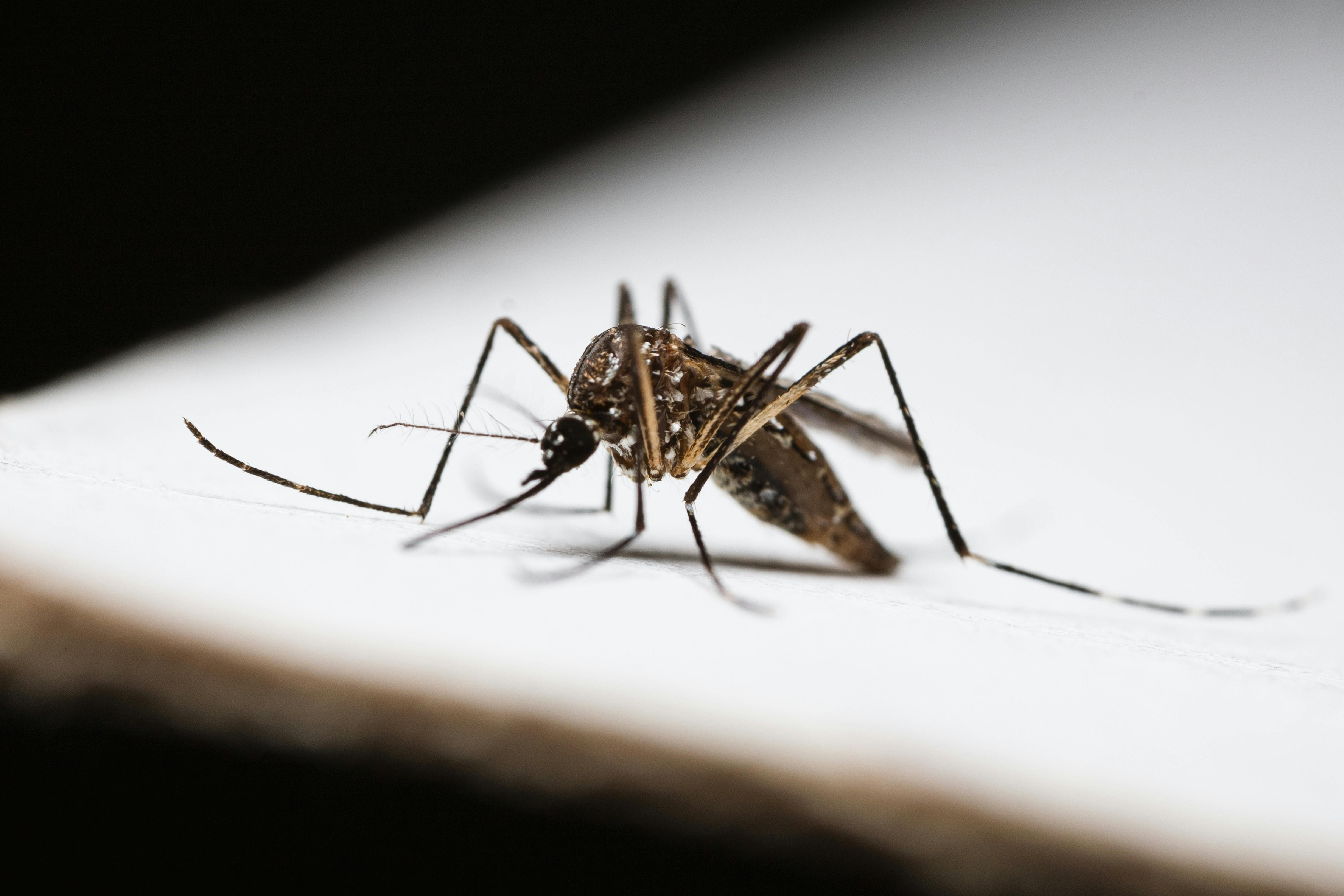
Malaria is caused by the Plasmodium parasite, which is transmitted through the bite of an infected mosquito. Once in the bloodstream, the parasites travel to the liver, multiply silently, and then invade red blood cells. When these infected cells burst, toxins are released, triggering the classic signs of malaria such as fever and chills.
Symptoms vary because different types of parasites behave differently. Early signs like mild headache or fatigue are easy to miss, which is why preventive measures like mosquito repellent sprays, patches, or roll-ons are crucial.
Symptoms of Malaria
Malaria symptoms typically appear in stages, starting subtly and potentially progressing to severe illness if untreated.
1. Early Symptoms (Easily Mistaken for Flu)
In the initial phase, you may notice mild symptoms such as:

- Mild to moderate fever
- Persistent headache
- Nausea or a feeling of general discomfort
- Body aches or slight chills
Because these symptoms are non-specific, malaria is often misdiagnosed as a viral infection.
2. Classic Malaria Fever Cycle
Once the infection progresses, the characteristic fever cycle appears:
- Sudden chills
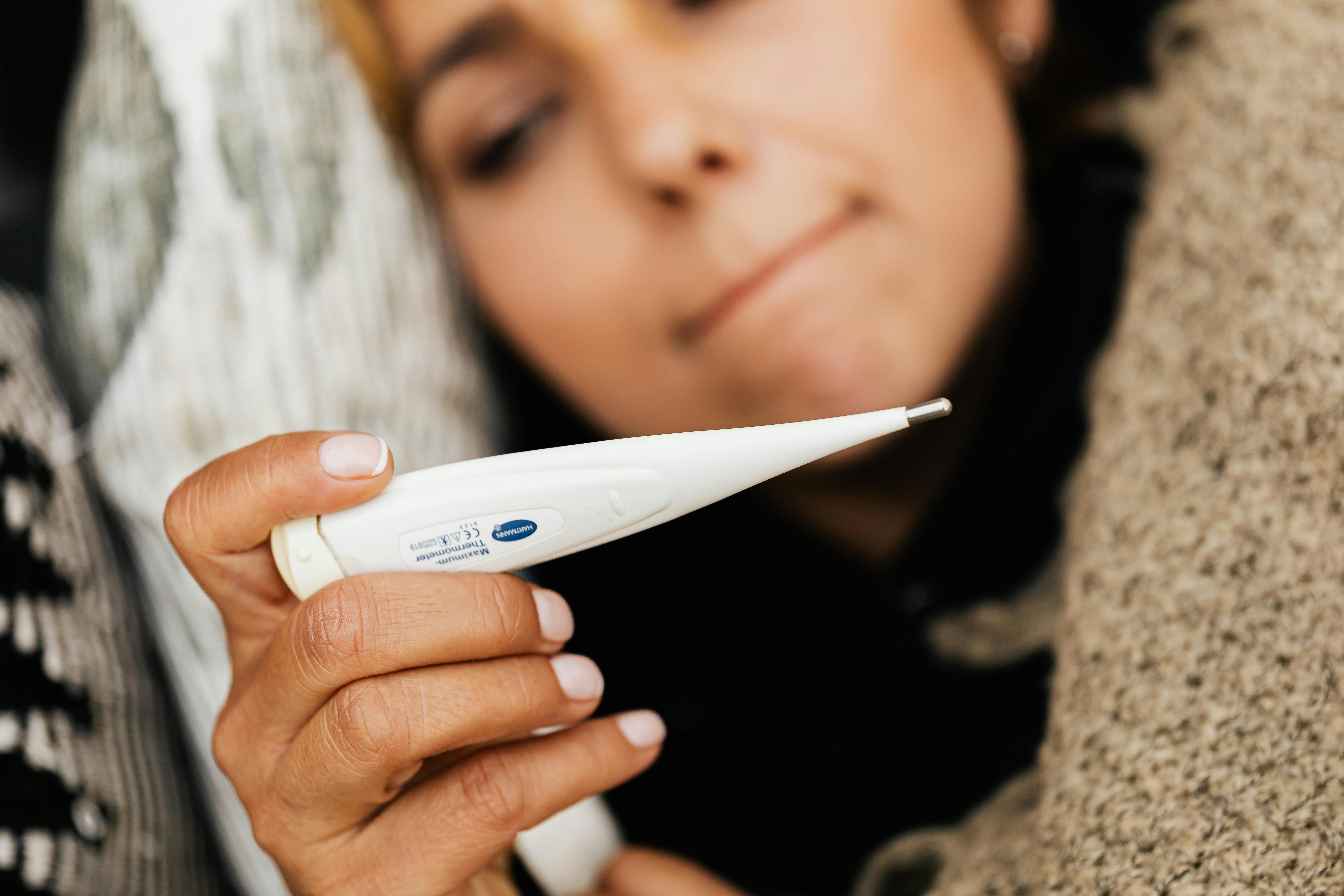
- High fever (102–104°F)
- Heavy sweating as the fever breaks
This cycle can repeat every 24–72 hours, depending on the parasite type.
3. Gastrointestinal Symptoms
Malaria can also affect the digestive system, causing:
- Vomiting
- Diarrhea
- Loss of appetite
These symptoms may not always be considered “classic” but are common in many cases.
4. Moderate to Severe Symptoms
As the disease advances, more serious signs can develop:
- Extreme fatigue
- Dizziness
- Pale skin
- Rapid heartbeat
- Breathing difficulties
At this stage, home remedies are often insufficient, and medical intervention is necessary.
5. Warning Signs of Severe Malaria
Severe malaria can become life-threatening. Emergency warning signs include:
- Confusion or disorientation
- Seizures
- Extremely high fever
- Dark or low urine output
- Unconsciousness
- Severe dehydration
Immediate medical attention is crucial at this stage to prevent organ damage.
Prevention Strategies
Preventing malaria is far safer than treating it. Effective strategies include:
- Personal Mosquito Protection
Use tools such as mosquito repellent sprays, patches, or roll-ons to create a protective barrier against mosquito bites. - After-Bite Care
If bitten, apply an after-bite roll-on to soothe irritation. While it doesn’t prevent malaria directly, it helps prevent infection from scratching. - Eliminate Mosquito Breeding Sites
Remove stagnant water from buckets, flower pots, gutters, and puddles to reduce mosquito populations. - Sleep Under Mosquito Nets
Nets are highly effective, especially in high-risk areas. - Wear Protective Clothing
Cover arms and legs, especially during dawn and dusk when mosquitoes are most active. - Enhance Indoor Protection
Use window screens, electric repellents, or herbal vaporizers along with mosquito sprays for extra safety.
When to Seek Medical Help
Even with preventive measures, vigilance is key. Consult a doctor if you experience:
- Fever persisting beyond 48 hours
- Recurring fever cycles
- Chills, sweating, or other classic malaria symptoms
- Vomiting, dizziness, or fatigue
- Severe warning signs like confusion or seizures
Doctors confirm malaria using rapid diagnostic tests (RDTs), blood smear microscopy, or parasite count tests. Early testing and treatment can prevent complications and save lives.
Conclusion
Malaria is dangerous but preventable. Awareness of the early and classic symptoms, combined with effective mosquito protection, can make a significant difference. Stay alert, use protective measures like mosquito repellent sprays or patches, and act promptly if symptoms arise. Early detection and prevention are the best defenses against this life-threatening disease.
