
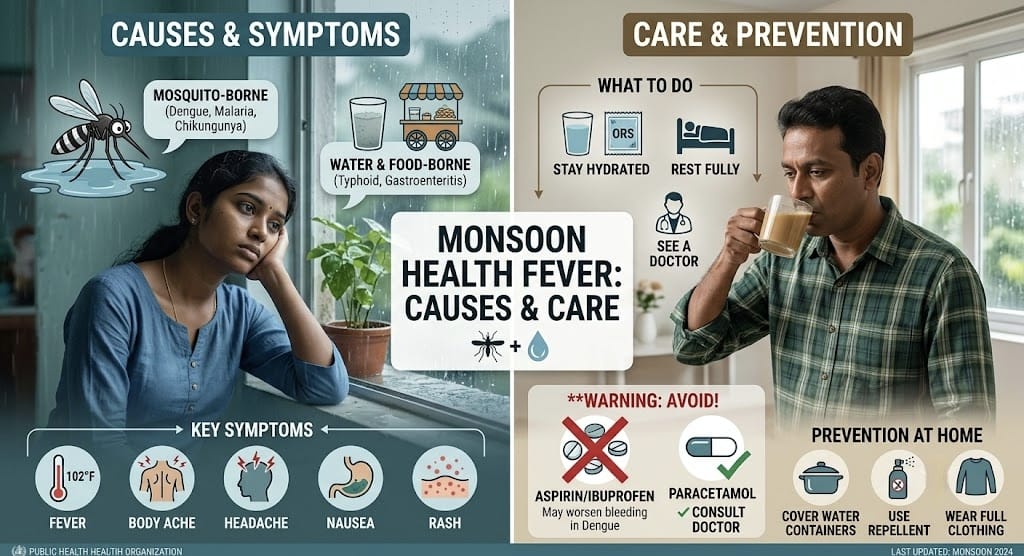
Representational Image
The arrival of monsoon brings relief from intense heat and fills the surroundings with freshness and greenery. However, the rainy season also brings several health challenges as increased humidity, stagnant water, changing temperatures, and sanitation issues create conditions that can encourage the spread of seasonal diseases.
For families, monsoon is a time to enjoy the beauty of nature while remaining cautious about health. Awareness, preventive care, and early action can play a major role in protecting communities from infections that become more common during this period.
Why Monsoon Increases Health Risks
During the rainy season, frequent rainfall and water accumulation provide ideal conditions for mosquitoes, bacteria, and viruses to multiply. Poor drainage, contaminated water sources, and improper food storage can increase the risk of infections.
Health experts advise people to focus on cleanliness, safe food habits, personal hygiene, and timely medical attention to reduce the impact of seasonal illnesses.
Rise in Mosquito-Borne Diseases
Mosquito-related illnesses remain one of the major concerns during monsoon. Diseases such as dengue and malaria often see an increase as mosquitoes breed rapidly in stagnant water collected around homes, streets, and public areas.
Dengue can cause high fever, severe body pain, headache, weakness, and fatigue, while malaria may lead to fever with chills, sweating, and tiredness. In some cases, these illnesses can become serious if symptoms are ignored.
Keeping surroundings clean, removing stagnant water, using mosquito nets and repellents, and wearing protective clothing are important steps to reduce mosquito-related health risks.
Water and Food Safety Become Essential
Monsoon rainfall can sometimes affect water quality and sanitation systems, increasing the risk of water-borne diseases such as typhoid, diarrhoea, and cholera.
Contaminated water and unhygienic food can lead to stomach infections, vomiting, dehydration, and weakness. Families should ensure that drinking water is safe, food is properly cooked and stored, and fruits and vegetables are washed carefully before consumption.
Good nutrition and adequate hydration also help strengthen the body’s natural ability to fight infections.
Viral Infections and Seasonal Fever
The rainy season often witnesses a rise in viral infections, flu, cough, and cold due to changing weather conditions and increased humidity.
Symptoms such as fever, sore throat, cough, body ache, and tiredness should be monitored carefully. Maintaining hand hygiene, avoiding unnecessary exposure to infections, and taking adequate rest can help reduce the spread of illnesses.
Protecting Skin Health During Humid Weather
Continuous moisture during monsoon can affect skin health, leading to fungal infections, rashes, and irritation. Wearing wet clothes for long periods and poor hygiene can increase discomfort.
Keeping the body dry, changing damp clothes quickly, using breathable fabrics, and maintaining personal cleanliness can help prevent skin-related problems.
Special Care for Children and Senior Citizens
Children and elderly family members often require additional care during monsoon as they may be more vulnerable to infections.
Parents and caregivers should pay attention to early warning signs such as prolonged fever, weakness, loss of appetite, dehydration, or unusual symptoms. Timely consultation with healthcare professionals can prevent minor illnesses from becoming severe.
Community Awareness Can Make Monsoon Safer
Health protection during monsoon is not only an individual responsibility but also a collective effort. Preventing waterlogging, maintaining clean surroundings, disposing of waste properly, and creating awareness among neighbours can help reduce disease spread.
Government health campaigns and local awareness programmes also encourage people to follow preventive practices and seek medical help at the right time.
A Healthy Monsoon Begins with Small Steps
The rainy season does not have to be a period of health concerns if families remain alert and follow simple precautions. Clean surroundings, safe food and water, mosquito control, personal hygiene, and early detection of symptoms can make a significant difference.
As the clouds bring refreshing showers, a little awareness and care can help every family enjoy a healthier and safer monsoon season.
Stay alert, stay healthy — prevention today is protection for tomorrow.