
New Delhi, Aug 11: Pulses such as lentils, chickpeas, beans and peas could play a bigger role in healthy diets, with recent research highlighting their nutritional value and possible benefits for gut and metabolic health.
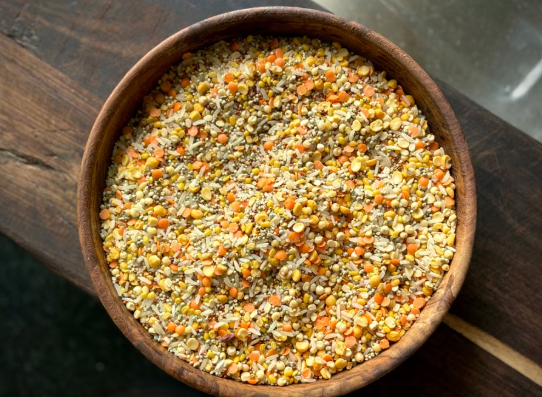
Pic Credit: Pexel
Pulses are naturally rich in plant protein, dietary fibre, complex carbohydrates, vitamins and minerals. Including them regularly in meals can help improve overall dietary quality while providing an affordable source of important nutrients.
One of the key areas of interest is gut health. The fibre and other naturally occurring carbohydrates in pulses can support beneficial bacteria in the digestive system. These bacteria produce compounds that may help maintain the gut environment and support normal metabolic and immune functions.
Research has also found indications that eating pulses may help improve certain measures linked to metabolic health, including blood sugar and cholesterol. However, the strength of these effects can differ between individuals and depends on the type of pulse, quantity consumed and overall diet.
Traditional preparation methods such as soaking, cooking, sprouting and fermentation can also improve the digestibility of pulses and may help increase the availability of some nutrients.
For everyday health, pulses can be easily included in familiar meals such as dal, soups, curries, salads and other dishes. Their combination of protein and fibre can also make meals more filling.
Pulses may have benefits beyond individual nutrition. They are considered an important part of more sustainable food choices because plant-based protein sources can generally have a lower environmental impact than many animal-based protein foods.
The growing interest in pulses comes at a time when consumers are looking for foods that are nutritious, affordable and easy to include in everyday diets.
Researchers caution that more long-term human studies are needed to fully understand the specific health effects of different pulses and preparation methods. Still, current evidence supports pulses as a useful component of a balanced and varied diet.
For families, adding a wider variety of pulses to regular meals can be a simple way to increase plant protein and fibre intake while supporting healthier eating habits.
Pulses therefore offer a practical combination of nutrition, affordability, versatility and sustainability, making them an important food choice for modern diets.