
Blackheads and whiteheads are common forms of acne caused by clogged hair follicles. Excess oil, dead skin cells, and blocked pores contribute to their formation. Despite similar origins, they have distinct characteristics.
Blackheads, or open comedones, appear as small dark spots on the skin. They occur when the pore remains open, allowing the contents to oxidize and turn dark. Blackheads often develop on the nose, forehead, and chin. While stubborn, they are generally less inflamed than other acne types.
Whiteheads, or closed comedones, appear as small white bumps beneath the skin’s surface. When the pore is fully blocked, the trapped oil and dead skin cells remain beneath the surface. Whiteheads can form in the same areas as blackheads but sometimes appear elsewhere on oily skin. They are softer and may become inflamed, causing discomfort.
Understanding the difference is essential for selecting the right skincare approach to manage and reduce these acne types.
The Role of Salicylic Acid in Healthy Skin
Salicylic acid is a beta hydroxy acid (BHA) known for its acne-fighting properties. With the molecular formula C7H6O3, it is derived naturally from willow tree bark or synthesized chemically. Salicylic acid penetrates pores to exfoliate dead skin cells and dissolve oil and debris, making it particularly effective for oily and acne-prone skin.
Its anti-inflammatory properties help reduce redness and irritation, while its exfoliating effect prevents clogged pores. Beyond acne, salicylic acid is also used to treat conditions like dandruff and psoriasis, improving skin texture and promoting a clearer complexion.
How Salicylic Acid Works on Blackheads and Whiteheads
Salicylic acid tackles blackheads and whiteheads through exfoliation, deep pore cleansing, and anti-inflammatory action. By loosening and removing dead skin cells, it prevents pore blockages that cause acne. Its oil-soluble nature allows it to penetrate pores and dissolve sebum, clearing existing blemishes and reducing the risk of new ones.
Additionally, its calming effect diminishes inflammation, leading to smoother, more even-toned skin. Combined, these properties make salicylic acid an effective solution for managing acne-prone skin.
Benefits of Using Salicylic Acid Face Wash
Salicylic acid face washes provide multiple benefits, especially for those with oily or acne-prone skin:
- Reduces blackheads and whiteheads by clearing clogged pores.
- Prevents future breakouts through regular exfoliation and pore maintenance.
- Deeply cleanses pores, targeting impurities beneath the surface.
- Improves skin texture, leaving it smoother and more refined.
Incorporating a salicylic acid face wash into your routine can significantly enhance skin clarity and prevent recurring acne.
Potential Side Effects and Considerations
While effective, salicylic acid may cause side effects, particularly for sensitive skin. Common issues include redness, stinging, dryness, and peeling. Overuse can worsen dryness and compromise the skin barrier.
To minimize irritation, use a moisturizer afterward and limit application to once or twice daily. Individuals with dry or sensitive skin should choose lower concentrations and consult a dermatologist if unsure. Proper use ensures the benefits without excessive side effects.
Choosing the Right Salicylic Acid Face Wash
When selecting a face wash, consider:
- Concentration: 0.5%–2% is ideal; lower for sensitive skin.
- Formulation: Gel cleansers suit oily skin; creams provide hydration for dry skin.
- Additional ingredients: Natural exfoliants, tea tree oil, or aloe vera can enhance benefits and reduce irritation.
Tailoring the product to your skin type maximizes effectiveness and minimizes unwanted reactions.
How to Use Salicylic Acid Face Wash
- Use once daily initially, increasing to twice if tolerated. Evening use is recommended.
- Wet the face with lukewarm water to open pores.
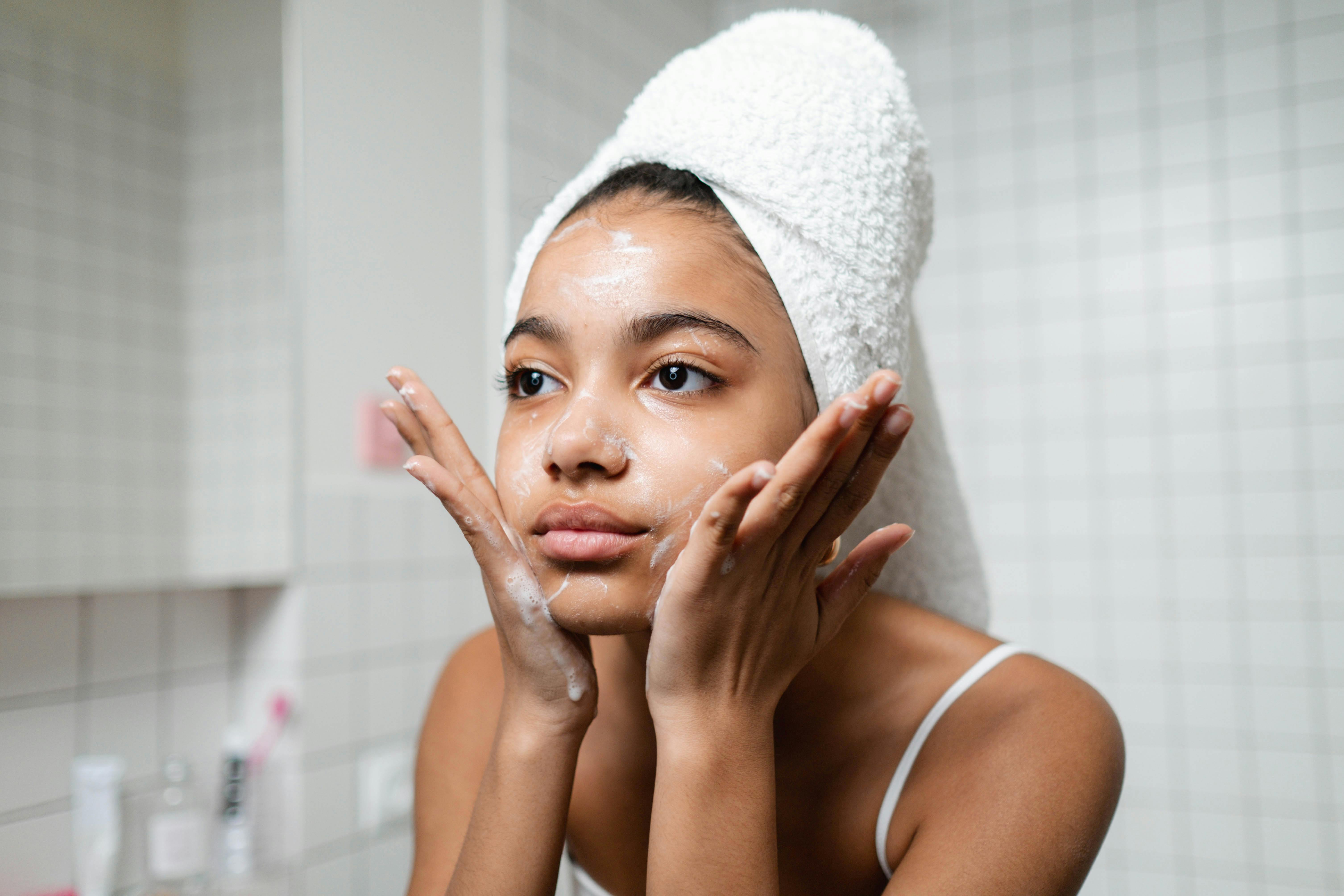
- Massage a small amount in circular motions for 20–30 seconds. Avoid scrubbing.
- Rinse thoroughly and pat dry.
- Follow with toner and moisturizer to maintain hydration.
For best results, combine with occasional gentle exfoliation and avoid overloading skin with other strong active ingredients.
Real User Experiences
Users generally report positive results with salicylic acid face washes. Most notice reduced blackheads and whiteheads within weeks and improved pore clarity over time. People with oily and combination skin often experience the greatest benefits, including regulated oil production and fewer breakouts.
Some users initially encounter mild irritation or dryness, which can be mitigated with moisturizers or lower concentrations. Overall, consistent use leads to clearer, smoother skin, supporting its reputation as an effective acne treatment.
Conclusion: Is Salicylic Acid Face Wash Right for You
Salicylic acid is a powerful tool for treating blackheads and whiteheads by dissolving oil and dead skin cells, preventing new acne, and improving skin texture. It is most suitable for oily and acne-prone skin but may cause irritation in sensitive types.
Consulting a dermatologist is recommended for personalized guidance. Combined with proper cleansing, hydration, and occasional exfoliation, salicylic acid face wash can be an effective part of a comprehensive skincare routine, leading to healthier and clearer skin.
