
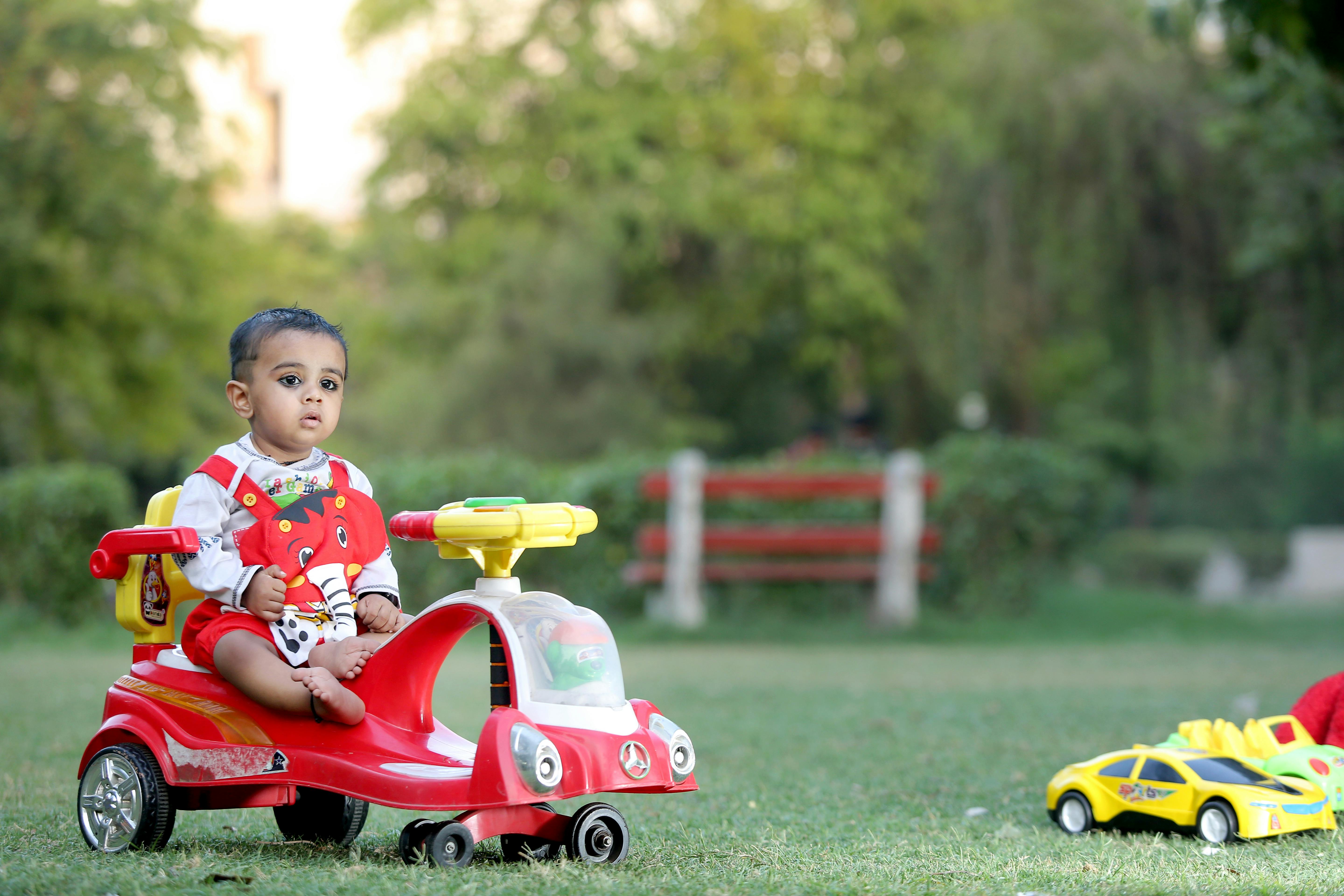
Outdoor play refers to recreational activities that occur outside, often in parks, gardens, or playgrounds. Activities can range from climbing trees and playing tag to riding bikes or exploring nature. Unlike indoor play, which is usually structured with toys or screen time, outdoor play allows children freedom to engage spontaneously, fostering creativity, curiosity, and self-directed exploration. This type of play supports physical, cognitive, and social growth while connecting children to their environment.
Physical Development Benefits
Outdoor play promotes physical health by enhancing both gross and fine motor skills. Activities such as running, climbing, and sports improve coordination, strength, and endurance. Fine motor skills are also strengthened through tasks that require hand-eye coordination, like catching, throwing, or navigating playground equipment. Beyond skill-building, regular outdoor play encourages healthy growth patterns, optimal weight management, and cardiovascular fitness. Additionally, it reduces obesity risk, supports immune function, and positively impacts mental health by reducing stress and anxiety.
Cognitive Enhancements through Outdoor Play
Engaging in outdoor activities fosters cognitive development through problem-solving, creativity, and decision-making. Nature-based play challenges children to navigate obstacles, build structures, and invent games, which improves critical thinking and cognitive flexibility. Unstructured play allows autonomy and encourages imaginative thinking. Exploration of natural settings stimulates curiosity, prompting questions about the world, while social interactions during play enhance communication, collaboration, and group problem-solving skills. Overall, outdoor play strengthens cognitive abilities essential for lifelong learning.
Social Skills Development
Outdoor play provides opportunities for children to develop teamwork, communication, and conflict-resolution skills. In dynamic group settings, children learn to collaborate, share responsibilities, and negotiate rules. They also practice effective communication by expressing ideas and listening to peers. Disagreements during play offer lessons in compromise and empathy, helping children understand others’ perspectives. Through these experiences, children cultivate strong social bonds and the interpersonal skills necessary for successful relationships throughout life.
Emotional Benefits of Outdoor Play
Playing outdoors promotes emotional health by offering a space for stress relief and emotional expression. Exposure to natural environments allows children to relax, reducing anxiety and fostering resilience. Outdoor challenges, such as climbing or navigating obstacles, build confidence and self-esteem. Children also develop emotional regulation skills, learning to cope with frustration, joy, fear, and empathy. Unstructured play encourages problem-solving and healthy expression of feelings, supporting overall emotional well-being.
Connection to Nature
Outdoor play fosters a connection to nature, instilling environmental awareness and responsibility. Exploring parks, forests, or gardens introduces children to ecosystems, biodiversity, and sustainability concepts. Nature-based activities improve mood, reduce stress, and enhance attention span, while providing sensory-rich experiences that stimulate cognitive growth. Physical activity and social interaction in natural settings strengthen fitness, coordination, and teamwork skills. Developing a connection to nature ensures children appreciate both personal well-being and environmental stewardship.
Risks and Safety in Outdoor Play
While outdoor play offers many benefits, it also presents risks such as uneven terrain, sharp objects, and potential conflicts with peers. Parental guidance is essential to help children navigate these risks safely. Adults can model safe behavior, inspect play areas, and set clear rules to reduce hazards. Encouraging reasonable risk-taking builds resilience and confidence, teaching children to assess their limits while exploring. A balanced approach ensures children enjoy the benefits of outdoor play while staying safe.
Incorporating Outdoor Play into Daily Routines
Making outdoor play a regular part of children’s routines promotes consistent growth and development. Parents can set specific times daily for outdoor activities, such as early mornings or late afternoons. Selecting suitable locations like parks, backyards, or gardens encourages physical activity, creativity, and social interaction. Participation by caregivers strengthens bonds and models positive outdoor habits. Establishing these routines ensures that outdoor play becomes a core component of a child’s healthy lifestyle.
Conclusion: The Future of Outdoor Play
Outdoor play is essential for children’s physical, cognitive, emotional, and social development. It combats sedentary lifestyles, supports mental well-being, and fosters a connection to nature. Parents, educators, and community leaders must create safe, accessible play spaces and integrate outdoor activities into daily life. Prioritizing outdoor play collectively ensures children develop essential life skills, resilience, and a lifelong appreciation for nature, preparing them for healthy and fulfilling futures.
