
Hydration refers to maintaining the proper balance of fluids in the body, which is essential for survival and overall health. Since the human body is made up of nearly 60% water, fluids play a critical role in regulating temperature, transporting nutrients, lubricating joints, and removing waste. Because the body continuously loses water through sweat, breathing, and urination, regular fluid intake is necessary to maintain balance.
Why Hydration Matters
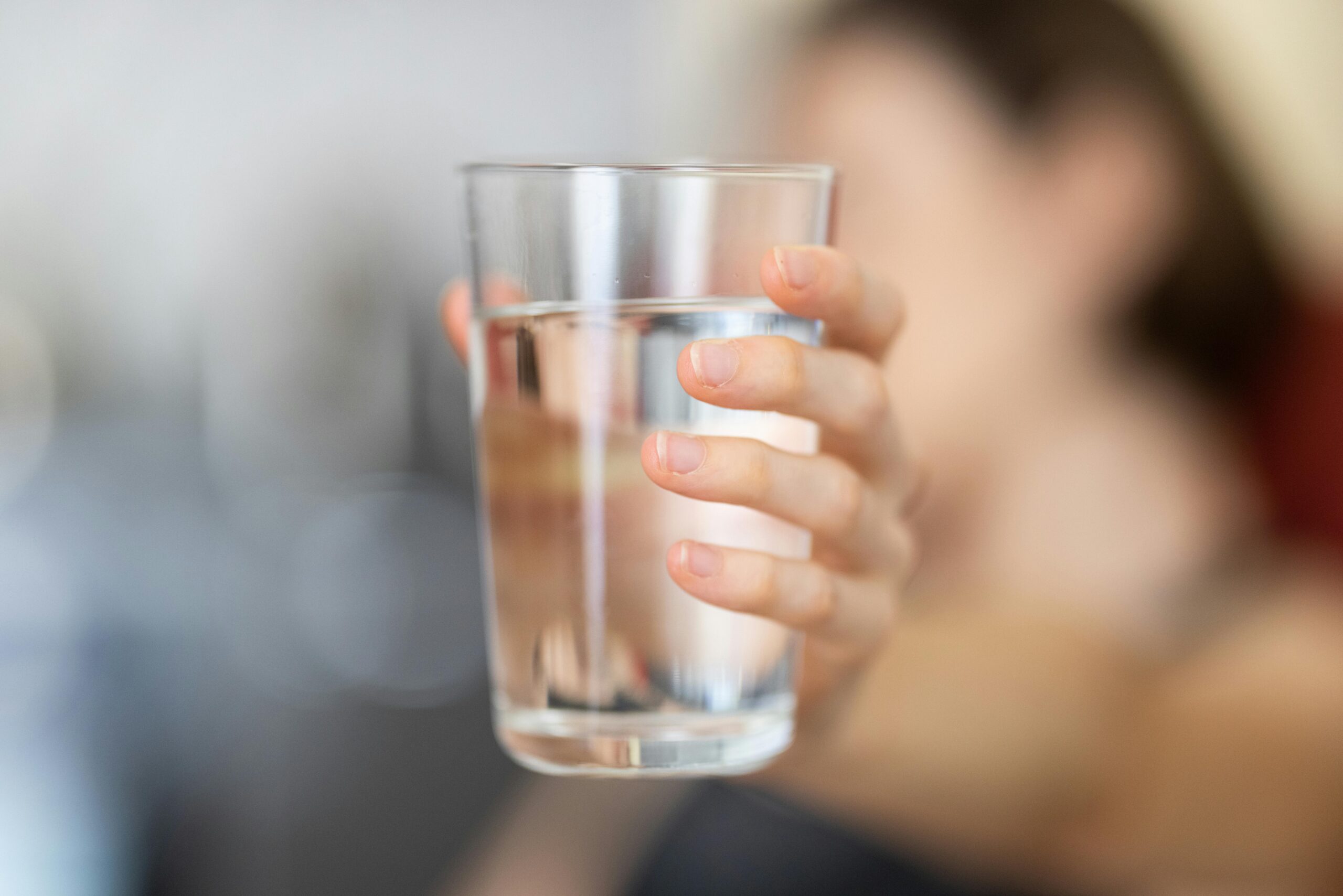
Water supports nearly every function in the human body. Proper hydration helps maintain physical performance, supports digestion, improves circulation, and keeps organs functioning efficiently. Even mild dehydration can affect energy levels, concentration, and physical endurance. In children and adults alike, water is essential for maintaining both physical and mental well-being.
Health Benefits of Drinking Water
Drinking enough water provides multiple health benefits. It improves physical performance by preventing fatigue and supporting muscle function. It also enhances brain activity, helping with focus, memory, and alertness. Hydration can support weight management by reducing unnecessary snacking and replacing high-calorie drinks. Additionally, water helps maintain healthy skin by improving moisture and elasticity.
How Much Water Do You Need?
Daily water needs vary depending on age, gender, climate, and activity level. On average, adults require about 2 to 3 liters of water per day. Men generally need more fluids than women due to differences in body composition. People who exercise regularly or live in hot climates may need additional water to replace fluids lost through sweat. A simple way to monitor hydration is by checking urine color—light yellow usually indicates proper hydration.
Signs of Dehydration
Dehydration occurs when the body loses more fluids than it takes in. Early signs include thirst, dry mouth, fatigue, and reduced urination. As dehydration worsens, symptoms may include dark-colored urine, dizziness, weakness, and headaches. Severe dehydration can lead to confusion, rapid heartbeat, and requires immediate medical attention. Recognizing these signs early helps prevent complications.
Best Times to Drink Water
Hydration is most effective when spread throughout the day. Drinking water before exercise prepares the body for physical activity, while sipping during workouts helps replace lost fluids. After exercise, water supports recovery and restores balance. Drinking water after meals aids digestion, and maintaining steady intake throughout the day is more effective than consuming large amounts at once.
Water vs Other Beverages
While other drinks contribute to fluid intake, water remains the best option for hydration. Coffee and tea can hydrate when consumed in moderation, though excess caffeine may increase fluid loss. Sugary sodas provide fluids but are not healthy due to high sugar content. Sports drinks can be useful during intense physical activity but are unnecessary for everyday hydration. Overall, plain water is the most effective and healthiest choice.
Tips to Stay Hydrated
Simple habits can improve daily water intake. Carrying a reusable water bottle encourages regular drinking. Setting reminders or using hydration tracking apps can help build consistency. Adding natural flavors like lemon, cucumber, or mint can make water more enjoyable. Drinking small amounts frequently throughout the day is more effective than waiting until thirst develops.
Common Myths About Hydration
A common myth is that everyone must drink eight glasses of water daily, but hydration needs vary from person to person. Another misconception is that thirst alone is a reliable indicator of hydration; in reality, mild dehydration may occur before thirst is felt. It is also important to note that beverages like tea and coffee do contribute to fluid intake, although water remains the best source.
Conclusion
Hydration is essential for maintaining energy, focus, and overall health. Since the body constantly loses fluids, regular water intake is necessary to stay balanced and healthy. Understanding hydration needs, recognizing dehydration signs, and building simple drinking habits can significantly improve daily well-being. Prioritizing hydration supports both physical and mental performance, making it a key part of a healthy lifestyle.
