
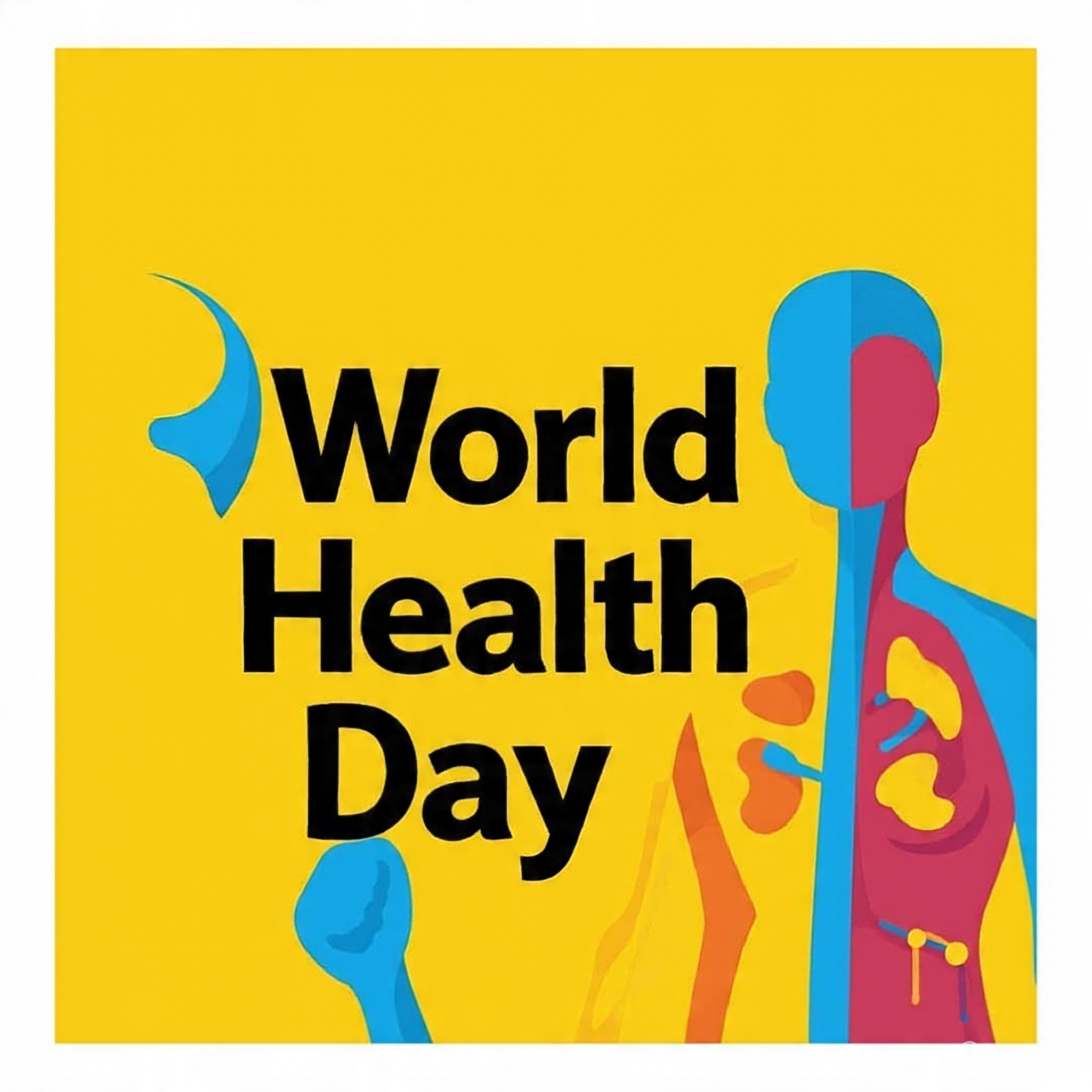
Every year on April 7, World Health Day reminds the world that health is not just a personal concern—it is a shared global responsibility. In 2026, the message is both simple and powerful: “Together for health. Stand with science.” At a time when the world continues to navigate complex health challenges, this theme underscores the importance of trust in science, collaboration, and evidence-based action to build a safer and healthier future for all.
A Collective Call to Trust Science
The 2026 campaign, led by the World Health Organization, places science at the center of global health progress. From vaccines and diagnostics to disease surveillance and prevention strategies, science has consistently proven to be humanity’s strongest ally. Yet, the theme goes beyond scientific breakthroughs—it emphasizes the need to trust science, use it responsibly, and ensure it benefits everyone equally.
In recent years, the world has witnessed how misinformation and skepticism can undermine public health efforts. By encouraging people to “stand with science,” this year’s World Health Day calls for rebuilding trust in research, facts, and expert guidance. It reminds us that science is not distant or abstract—it directly impacts our daily lives, from the medicines we take to the air we breathe.
The One Health Approach
One of the most important ideas highlighted this year is the One Health approach. This concept recognizes that human health is deeply interconnected with the health of animals, plants, and the environment. Diseases do not exist in isolation—many originate in animals, spread through ecosystems, and ultimately affect human populations.
Climate change, deforestation, urbanization, and wildlife trade are all influencing how diseases emerge and spread. The One Health approach encourages collaboration across multiple sectors—doctors, veterinarians, environmental scientists, and policymakers—to address health risks holistically. By understanding these connections, the world can better prevent future pandemics and manage existing health threats more effectively.
Science in Action: From Innovation to Impact
Science is not just about laboratories and research papers—it is about real-world impact. Over the decades, scientific advancements have transformed healthcare. Vaccines have eradicated or controlled deadly diseases, antibiotics have saved millions of lives, and modern diagnostic tools allow for early detection of illnesses like cancer and heart disease.
Today, innovation continues to accelerate. Artificial intelligence is helping doctors diagnose diseases faster and more accurately. Telemedicine is making healthcare accessible to people in remote areas. Wearable health devices are enabling individuals to monitor their health in real time. These advancements are not only improving treatment outcomes but also empowering individuals to take control of their health.
However, the benefits of science are not evenly distributed. Many communities still face barriers to accessing healthcare, including limited infrastructure, financial constraints, and lack of awareness. This is why World Health Day 2026 emphasizes equity—ensuring that scientific progress reaches every corner of the world.
Strengthening Global Collaboration
Health challenges today are global in nature, and they require global solutions. No country can tackle pandemics, climate-related health risks, or emerging diseases alone. Collaboration between nations, institutions, and experts is essential.
Events such as the International One Health Summit and the Global Forum of WHO Collaborating Centres highlight the importance of shared knowledge and coordinated action. These platforms bring together scientists, policymakers, and healthcare professionals to exchange ideas, strengthen research networks, and develop strategies for future health challenges.
Such collaborations have already proven their value. The rapid development of vaccines during global health emergencies, for instance, was made possible through unprecedented international cooperation. This spirit of unity must continue to address both current and future health issues.
Challenges That Still Remain
Despite remarkable progress, significant challenges persist. Access to quality healthcare remains uneven, especially in low- and middle-income regions. Health inequalities continue to affect vulnerable populations, leading to higher rates of disease and mortality.
At the same time, the world is facing a dual burden of diseases. Infectious diseases, including emerging viruses and antibiotic-resistant bacteria, remain a threat. Meanwhile, non-communicable diseases such as diabetes, heart disease, and cancer are on the rise due to changing lifestyles and environmental factors.
Environmental challenges also play a critical role. Pollution, climate change, and loss of biodiversity are not only environmental issues—they are health issues. They contribute to respiratory diseases, food insecurity, and the spread of infections. Addressing these challenges requires a long-term commitment to sustainable development and science-driven policies.
The Role of Communities and Individuals
While governments and organizations play a crucial role, individuals are equally important in building a healthier future. World Health Day 2026 reminds us that small, everyday actions can have a big impact.
Trusting verified health information, following preventive healthcare practices, and supporting vaccination programs are simple yet powerful steps. Staying physically active, eating balanced diets, and prioritizing mental well-being also contribute to overall health.
Community involvement is equally vital. Local awareness campaigns, health camps, and educational initiatives can help bridge the gap between scientific knowledge and public understanding. When communities are informed and engaged, they become active participants in improving health outcomes.
Looking Ahead: A Future Powered by Science
The future of healthcare is being shaped by rapid scientific advancements. Personalized medicine, gene editing technologies, and digital health innovations are opening new possibilities for prevention and treatment. These developments have the potential to revolutionize healthcare, making it more precise, efficient, and accessible.
However, the success of these innovations depends on how they are implemented. Ethical considerations, data privacy, and equitable access must remain priorities. Science must be guided not only by innovation but also by responsibility and inclusivity.
A Shared Responsibility
World Health Day 2026 is more than a celebration—it is a call to action. It urges governments to invest in research and strengthen health systems. It encourages scientists and healthcare professionals to continue pushing boundaries. And it reminds individuals that their choices matter.
As the world continues to face evolving health challenges, one message stands out: a healthier future depends on standing together and standing with science. By embracing evidence-based solutions, fostering collaboration, and prioritizing well-being, we can create a world where everyone has the opportunity to live a healthy and fulfilling life.
On this World Health Day, the path forward is clear—trust science, work together, and take action for a better tomorrow.
