
Celebrating World Radiography Day: A Tribute to the Evolution and Impact of Diagnostic Imaging
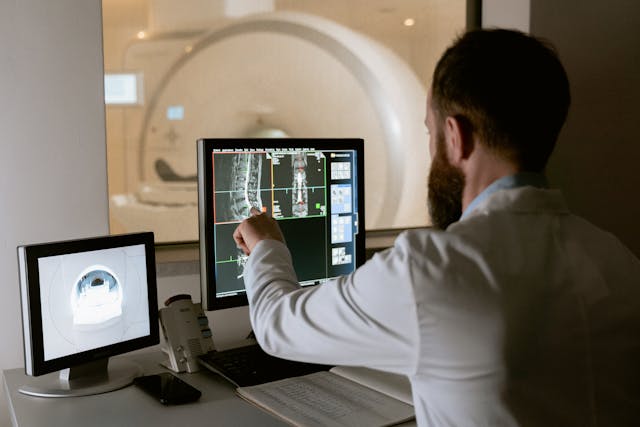
The Significance of World Radiography Day
Each year, on November 8th, the global community gathers to commemorate World Radiography Day. This observance marks a pivotal moment in the history of medicine—the discovery of x-radiation by Wilhelm Conrad Roentgen in 1895. This groundbreaking development not only revolutionized diagnostic imaging but also laid the foundation for subsequent advancements in the field. The importance of this day extends beyond mere historical recognition; it serves as a platform to advocate for the continued innovation and evolution of radiographic technologies that are crucial for effective patient care.
World Radiography Day is significant for several reasons. Firstly, it shines a light on the transformative role of medical imaging in diagnosis and treatment. Radiography enables healthcare professionals to visualize the internal structures of the body, leading to more accurate diagnoses and tailored treatment plans. Technologies such as computed tomography (CT), magnetic resonance imaging (MRI), and ultrasound have improved the ability of clinicians to identify pathologies early, promoting better outcomes for patients. The celebration of this day underscores the essential nature of these technologies in modern healthcare.
Additionally, World Radiography Day fosters recognition for the dedicated professionals who bring these advanced imaging techniques to life—the radiographers. These individuals operate complex imaging equipment and strive to provide high-quality imaging services while ensuring patient safety and comfort. This day also serves as an opportunity to celebrate their contributions and to advocate for professional development and recognition within the healthcare system. As advancements in technology continue to unfold, the importance of skilled radiographers remains paramount, thus reinforcing the need for ongoing education and support in their field.
Understanding Radiography: More Than Just Imaging
Radiography is a pivotal medical imaging technique that provides crucial insights into the human body's internal structures. The primary modalities involved in radiography include x-rays, computed tomography (CT) scans, magnetic resonance imaging (MRI), and ultrasound. Each of these technologies plays a distinct role in medical diagnostics and the assessment of various health conditions.
X-rays, one of the earliest forms of radiographic imaging, utilize electromagnetic radiation to generate images of bones and certain organs. This technique is integral in diagnosing fractures, infections, and other skeletal issues. CT scans, on the other hand, combine multiple x-ray images taken from different angles and employ computer processing to create cross-sectional images of bones, blood vessels, and soft tissues. This modality is particularly useful in emergency medicine and oncology, as it provides detailed insights into complex structures.
MRI employs strong magnetic fields and radio waves to produce detailed images of organs and tissues, making it invaluable for neurological, musculoskeletal, and cardiovascular assessments. Unlike x-rays, MRI does not use ionizing radiation, thereby presenting fewer risks to patients. Lastly, ultrasound technology uses high-frequency sound waves to visualize soft tissues and blood flow. It is widely used in obstetrics, emergency medicine, and guided interventions.
The role of radiographers extends beyond just operating imaging equipment; they are pivotal in ensuring safe, accurate, and efficient imaging practices. Radiographers are trained professionals responsible for patient care during imaging procedures, advocating for patient safety and comfort, and ensuring that appropriate imaging techniques are utilized based on specific diagnostic needs. Additionally, they interpret imaging results, sometimes collaborating closely with radiologists and other healthcare professionals to provide comprehensive patient care.
Overall, radiography encompasses a broad spectrum of applications in both diagnostic and therapeutic settings, affirming its significance in contemporary medicine.
The Critical Role of Radiography in Modern Healthcare
Radiography has become an essential component of modern healthcare, significantly contributing to the effectiveness of diagnostic practices. The ability to obtain detailed images of the human body allows healthcare providers to conduct early diagnoses of various medical conditions, elevating the importance of radiographic techniques in patient care. By facilitating the identification of diseases at their initial stages, radiography enhances the likelihood of successful treatment and improves patient outcomes.
Moreover, radiographic imaging plays a crucial role in guiding specific treatment plans. For instance, interventional radiology utilizes imaging techniques to perform minimally invasive procedures, which can reduce recovery times and complications. These guided treatments ensure that interventions are performed with precision, minimizing risks while optimizing therapeutic effectiveness.
In emergency care situations, the timely availability of radiographic imaging is indispensable. Emergency departments rely on imaging to swiftly evaluate trauma patients, allowing for quick decision-making in critical situations. The capability to obtain immediate insights through X-rays, CT scans, and ultrasounds supports the healthcare team in providing life-saving interventions without delay.
Furthermore, the ongoing monitoring of diseases is enhanced through regular radiographic assessments. Chronic conditions such as cancer benefit from imaging technologies that allow for the detection of changes in tumor size or progression. This continuous evaluation plays an integral role in tailoring treatment strategies based on patient response to therapy.
Finally, radiography supports public health research by generating valuable data that informs health policies and interventions. The information obtained from imaging studies assists in understanding disease prevalence and identifying health trends within populations. By bridging gaps between diagnosis and treatment, radiography ultimately enhances medical decision-making processes, reaffirming its critical role in the healthcare continuum.
Looking Forward: The Future of Radiography
As the field of radiography continues to evolve, significant advancements are on the horizon, especially through the integration of cutting-edge technologies. Among the most promising developments is the application of artificial intelligence (AI) in image analysis. AI algorithms have the potential to enhance diagnostic accuracy by assisting radiographers in interpreting images with remarkable precision. These systems can identify patterns and anomalies that may be challenging for the human eye to detect, thereby speeding up the diagnosis process and improving patient outcomes.
In addition to AI, interventional radiology is gaining traction as a vital specialty within the radiographic field. This subspecialty utilizes imaging technologies to guide minimally invasive procedures, reducing the need for traditional surgical interventions. With its ability to target treatments precisely, interventional radiology not only enhances patient safety but also shortens recovery times and minimizes hospital stays. As the demand for such procedures rises, so too does the importance of skilled radiographers who can effectively operate advanced imaging systems.
Moreover, innovations in imaging techniques continue to emerge, leading to enhanced image quality and reduced radiation exposure for patients. For instance, developments in digital imaging systems provide clinicians with clearer, more detailed images in real time. These advances not only improve diagnostic capabilities but also contribute to safer practices in radiography. With ongoing advancements, the role of the radiographer becomes even more critical in ensuring quality care and navigating the technological complexities of modern imaging.
As we look to the future, it is clear that the combination of technological progress and skilled professionals will pave the way for a new era in radiography. The continuous evolution of this field will not only improve patient experiences but also redefine the standards of care, reinforcing the essential contributions of radiographers in delivering top-tier diagnostic imaging services.